
Poly-L-lactic Acid Injectable
Collagen Stimulation Restore Skin Structure, Reduce Wrinkles
Cost, safety, results and downtime
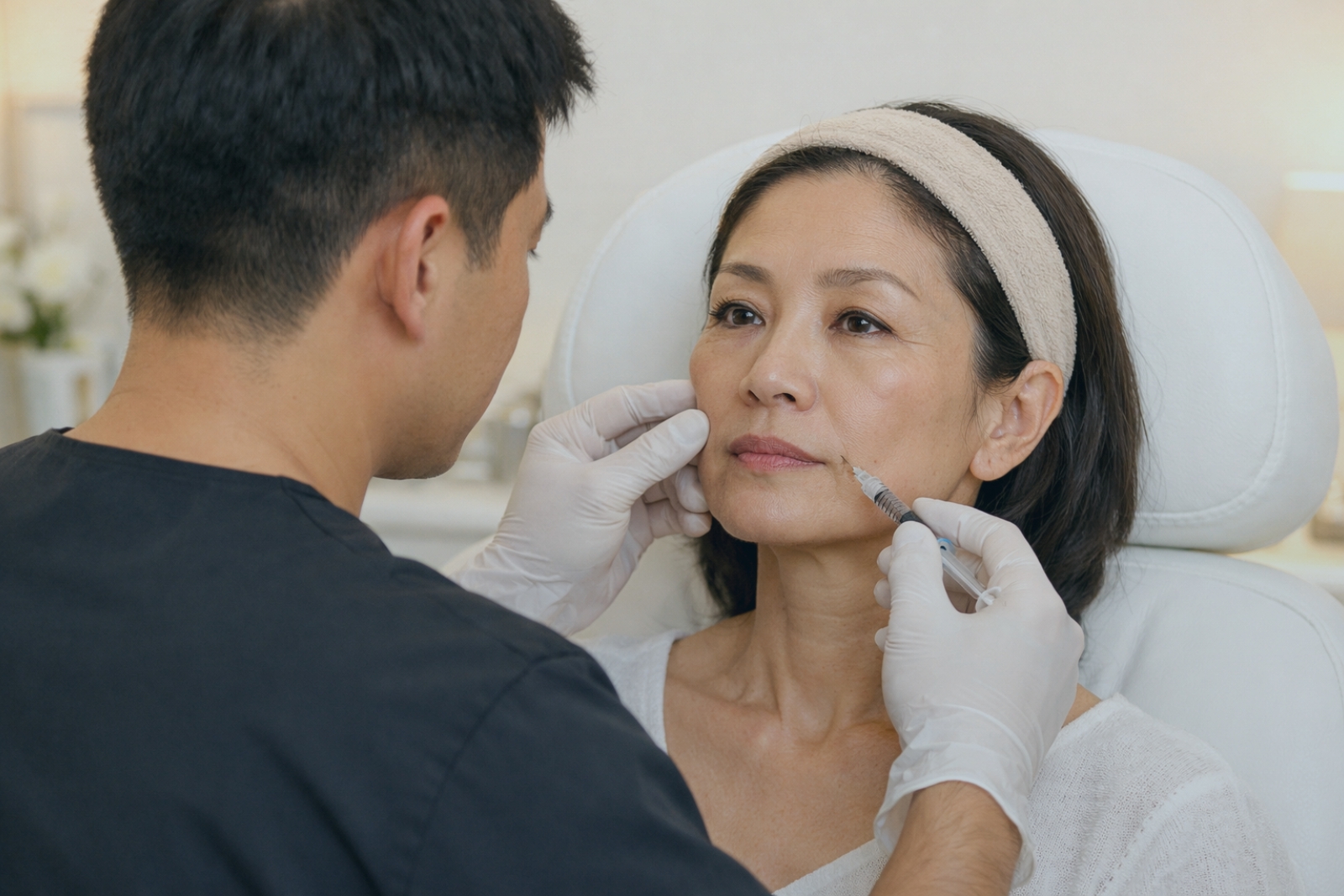

What Is Poly-L-Lactic Acid Injectable?
Poly-L-lactic acid injectable is a collagen biostimulator treatment made from Poly-L-Lactic acid (PLLA), a synthetic material that is biocompatible and biodegradable. Unlike traditional fillers that mainly add immediate volume, it is commonly used to support the body’s own collagen production over time.
As collagen develops gradually, the treatment is often discussed for patients who want progressive facial volume support and a more natural-looking improvement in skin structure.
- Longer-lasting results in selected cases
- Supports natural collagen production
- Helps improve underlying skin structure
Because the response develops gradually, changes are typically more progressive rather than immediate, which is one reason this treatment is often chosen by patients who prefer a softer transition over time.
Poly-L-lactic Acid Injectable at a Glance
Treatment Focus
Volume loss, facial structure support, collagen stimulation, and selected age-related hollowing concerns.
Downtime
Usually limited, though temporary swelling or bruising may occur.
Session Planning
Often discussed as a series, commonly monthly sessions for the initial plan.
Doctor Review
Suitability depends on the treatment area, degree of volume loss, facial anatomy, and whether gradual collagen stimulation is the right approach.
How Does Poly-L-Lactic Acid Injectable Work?
Poly-L-lactic acid injectable works by supporting the body’s natural collagen production over time. Rather than creating immediate volume like a traditional filler, it is commonly used for gradual collagen stimulation and progressive facial support.
Once injected into selected treatment areas, PLLA acts as a collagen biostimulator. This is why it is commonly considered for:
- Facial volume loss
- Selected hollow or sunken areas
- Skin structure support
- Gradual rejuvenation over time
Because collagen develops progressively, the improvement is usually more gradual rather than immediate. This is one reason the treatment is often discussed for patients who prefer longer-term, natural-looking facial support.
Poly-L-Lactic Acid Advantages
- Longer-lasting results, often discussed in selected cases for up to about 2 years
- Collagen stimulation to support gradual volume restoration
- Natural-looking progression without an abrupt volume change
- Versatile treatment use for selected facial contour and volume concerns
- Minimal downtime, with temporary swelling in some cases
- Non-surgical treatment approach
Poly-L-Lactic Acid Details
- Doctor assessment based on facial structure, treatment goals, and suitability
- Injection points planned before treatment
- Treatment performed with aftercare guidance provided
Who Is Poly-L-Lactic Acid Commonly Considered For?

Ageing Skin
Often discussed for patients with age-related facial changes who want gradual collagen support.

Volume Loss
Commonly considered for hollow or sunken areas that may benefit from progressive volume support.

Skin Laxity
May be considered for selected facial areas where reduced skin support and laxity are part of the concern.
Understand more about Poly-L-lactic Acid Injection
Poly-L-Lactic Acid Injection in Singapore
| Treatment Time | About 30 minutes |
| Longevity | Up to 2 years |
| Recommended Intervals | 1 session monthly for 3 months |
| Recovery Time | Usually limited |
| Price | Contact Us |
Treatment planning depends on the areas treated, the degree of volume loss, and the overall collagen-stimulation plan advised by the doctor.
Poly-L-Lactic Acid Injection Face Treatment
Patients often choose poly-L-lactic acid injection because downtime is usually limited. While some swelling or bruising may occur after treatment, these effects are typically temporary, and many patients can return to their usual routine soon after.
Because collagen stimulation develops gradually, the results often appear more progressive rather than immediate. This is one reason the treatment is commonly discussed for patients who want longer-term, natural-looking facial support.
Overall, it is often considered for patients seeking a non-surgical approach to age-related volume loss, skin support, and gradual facial rejuvenation.
Treatment Areas for Poly-L-lactic Acid
Poly-L-Lactic Acid Injection Areas
Temples
Temple hollowing is a common age-related change that can make the upper face look more sunken. Poly-L-lactic acid injectable may be considered for selected temple volume loss where gradual collagen support is part of the treatment goal.
Commonly Considered For: Temples
- Selected temple hollowing
- Gradual collagen support
- Usually limited downtime
- Often planned monthly for the first 3 sessions
Cheeks
The cheeks are a common treatment area for poly-L-lactic acid injectable. As facial volume changes over time, the cheeks may look flatter or more sunken, and gradual collagen stimulation may help support a fuller mid-face appearance.
Commonly Considered For: Cheeks
- Mid-face volume support
- Selected hollow cheek concerns
- Gradual, natural-looking progression
- Often planned monthly for the first 3 sessions
Jawline
As volume loss and skin laxity affect the lower face, the jawline may appear less defined. Poly-L-lactic acid injectable may be considered for selected jawline and lower-face support where gradual collagen stimulation is part of the treatment plan.
Commonly Considered For: Jawline
- Selected lower-face definition concerns
- Jawline support
- Usually limited downtime
- Often planned monthly for the first 3 sessions
Poly-L-lactic Acid Singapore Price
In line with healthcare advertising requirements in Singapore, the exact price and brand of poly-L-lactic acid injectable are not publicly displayed. Please WhatsApp us for more information.
We only use authentic injectable products sourced through authorised suppliers.
| Area | Typical Treatment Guide |
|---|---|
| Treatment of 1 area | Often 1 to 2 vials |
| Full-face rejuvenation | Often 4 to 6 vials over 2 to 3 sessions |
*Exact treatment planning, vial requirement, price, and product selection depend on the treatment area, facial assessment, and doctor review.
CONSULT OUR DOCTOR FOR A BESPOKE SOLUTION
CONTACT USWhat Is the Difference Between Poly-L-Lactic Acid, Dermal Fillers, and Injectable Moisturiser?
| Comparison Point | Poly-L-Lactic Acid | Dermal Fillers | Injectable Moisturiser |
|---|---|---|---|
| Main Action | Gradual collagen stimulation | Immediate volume support | Hydration and skin support |
| Typical Result Style | Gradual and progressive | More immediate | Subtle and progressive |
| Common Use | Volume loss and structure support | Volume, contour, lines | Dryness, laxity, skin quality |
| Typical Areas | Cheeks, temples, jawline | Lips, cheeks, chin, under-eyes | Face, neck, selected areas |
| Onset | Over weeks to months | Usually visible soon after | Over the following weeks |
| Typical Sessions | Often a series | Often one session | Often two sessions |
| Downtime | Usually limited | Usually limited | Usually limited |
| Best For | Gradual rejuvenation | Immediate correction | Skin hydration support |
Pros and Cons of Poly-L-lactic Acid Injection
Pros
- Longer-lasting results: May last up to two years in selected cases.
- Collagen stimulation: Supports gradual skin structure and volume improvement.
- Natural-looking progression: Results develop progressively over time.
- Versatile treatment areas: Commonly discussed for cheeks, temples, and jawline.
- Usually limited downtime: Swelling or bruising is often temporary.
Cons
- Not immediate: Results develop over weeks to months.
- Often needs multiple sessions: A series is usually required initially.
- Aftercare matters: Massage may be advised after treatment.
- Higher upfront commitment: Initial treatment often involves more than one session.
- Possible side effects: Swelling, bruising, or small lumps may occur.
These points can help patients assess whether poly-L-lactic acid injection suits their treatment goals and preferences.
Poly-L-lactic Acid Injectable Side Effects
After poly-L-lactic acid injection, some temporary reactions may occur while the treated area settles. Common short-term effects can include swelling, redness, tenderness, bruising, and a mild feeling of tightness at the injection sites.
Less common but possible risks may include unevenness, small nodules or lumps, prolonged swelling, irritation, infection, or delayed recovery depending on skin response, injection technique, and aftercare.
A proper consultation, suitable treatment planning, and careful post-treatment care can help reduce the likelihood of complications.
Poly-L-lactic Acid Injectable Aftercare Guide
After treatment, patients are usually advised to follow the recommended massage and aftercare instructions carefully so the product settles more evenly in the treated area.
- massage the treated area as advised by the doctor
- avoid unnecessary pressure on the treated area early after treatment
- avoid strenuous exercise, heat exposure, or alcohol for a short period if advised
- keep follow-up appointments to review progress and future sessions
If there is increasing pain, significant swelling, or unusual lumps that persist, a medical review is advisable.
How Many Sessions of Poly-L-Lactic Acid Are Required?
Generally, the initial treatment plan consists of 3 sessions spaced about 4 to 6 weeks apart.
After the initial series, maintenance may be reviewed yearly depending on the skin condition, treatment area, and the treatment goals being targeted.
This staged approach is commonly used to support ongoing collagen stimulation and more gradual volume improvement over time.
Am I suitable for Poly-L-lactic Acid?
Who Is Poly-L-Lactic Acid For?
- Patients who want gradual, natural-looking results
- Patients with moderate facial ageing and volume loss
- Patients looking for collagen stimulation rather than only immediate filling
How Long Does Poly-L-Lactic Acid Last?
Poly-L-lactic acid injection is often discussed for its longer-lasting effects, with results commonly described as lasting up to about two years in selected cases.
This longer duration is linked to the way the treatment supports gradual collagen production over time.
Poly-L-Lactic Acid Before and After
Before-and-after photographs cannot be publicly displayed. Please WhatsApp us if you would like more information about treatment expectations and planning.
Poly-L-lactic Acid FAQ
Yes, while primarily used for volume restoration, the collagen produced can also improve skin thickness and texture over time.
Gentle massage of treated areas may be advised for a certain number of days, along with avoiding strenuous exercise, heat exposure, and alcohol for 24 hours post-treatment.
It’s usually recommended to avoid alcohol, aspirin, non-prescription blood thinners, and high-dose supplements such as fish oil for a few days before treatment to minimise bruising.
Common areas include the cheeks, temples, jawline, and nasolabial folds. They are generally not used for lips or under-eye hollows.
Yes, many patients combine PLLA treatments with other procedures such as botulinum toxin or skin boosters to address multiple ageing concerns.
Results can last up to two years with a full treatment protocol, although periodic maintenance sessions are often recommended.
Collagen production is a gradual process, so visible improvements often begin within 4–6 weeks, with continued enhancement over several months.
The PLLA microparticles encourage the body’s fibroblasts to produce new collagen over several months, leading to gradual, natural-looking volume restoration.
This treatment category is used to gradually stimulate collagen production, helping improve skin firmness, facial volume, and texture over time.
Poly-L-lactic Acid NEAR YOU

Tampines Clinic
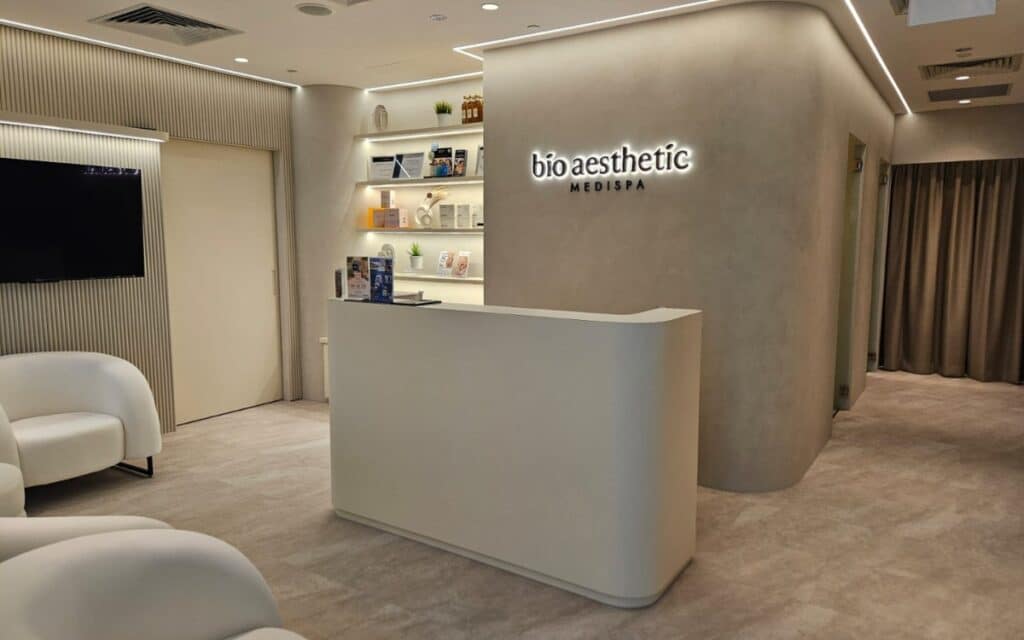
Income @ Tampines Junction, 300 Tampines Avenue 5 #04-05, Singapore 529653
Consult our Doctors for Poly-L-lactic Acid Injectable

Dr Daniel Khaw

Dr Justin Goh

Dr Vijay Sampath
Make an Appointment
Call Us Today! +65 6333 4566 • hello@bioaesthetic.com.sg
This site is protected by reCAPTCHA and the Google Privacy Policy and Terms of Service apply.
Disclaimer: The information on this page is provided for general educational and informational purposes only and should not be relied on as medical, diagnostic, or treatment advice. Content may not be exhaustive, may not apply to every individual, and should not replace a consultation with a qualified doctor. While reasonable care is taken in preparing this content, Bio Aesthetic Laser Clinic and its related parties do not accept liability for any loss, damage, or consequences arising from reliance on the information presented on this page. Suitability for any treatment should always be assessed during a proper medical consultation.