Acne Concern

Acne Treatment

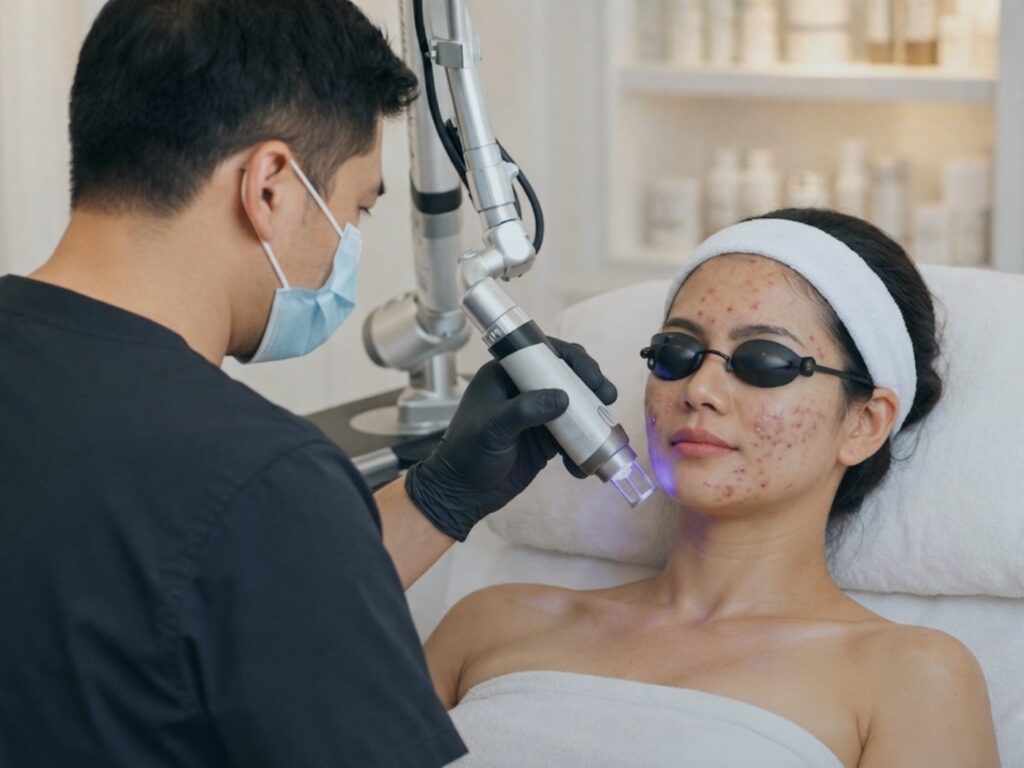
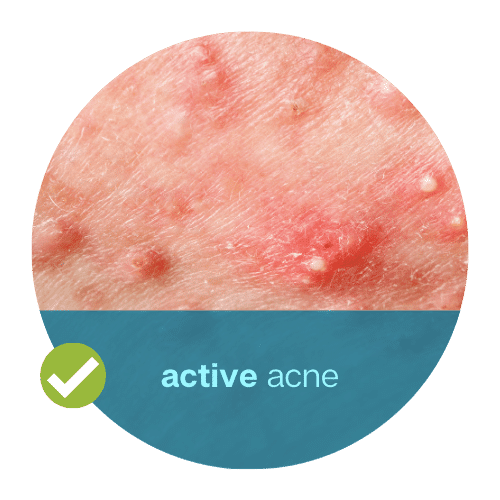
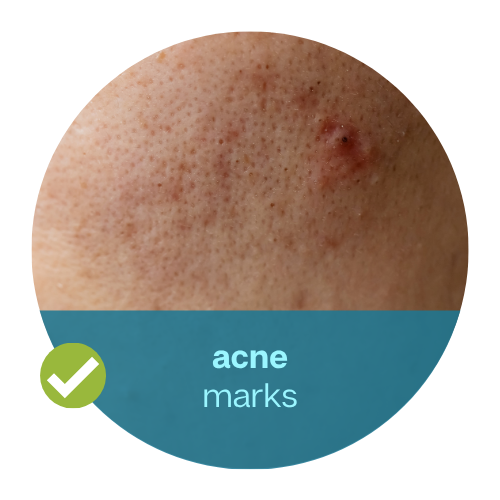
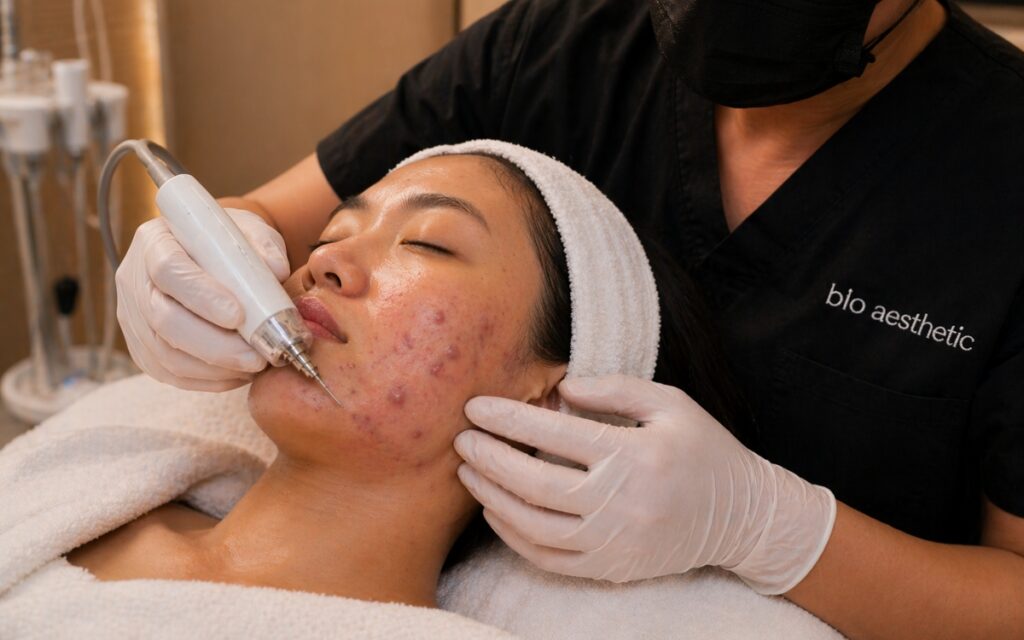
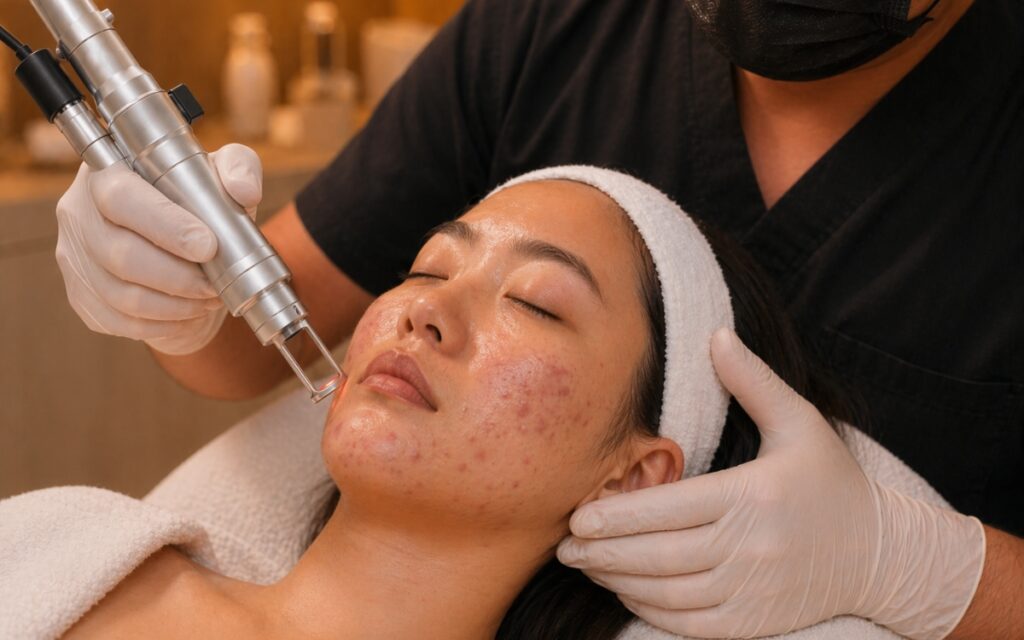
Acne can range from clogged pores and inflamed pimples to deeper cystic breakouts that increase the risk of marks and scarring.

The right treatment plan depends on acne type, severity, skin behaviour, and whether the main issue is oil control, inflammation, recurring breakouts, or acne scar prevention.

At Bio Aesthetic Laser Clinic, acne treatment planning is doctor-led and tailored to your skin condition, treatment goals, and downtime preferences.

Acne Treatment

Medically reviewed by Dr Vijay Sampath, M.B.B.S, M.S (Gen Surg), DNB (Gen Surg), MRCS (Edinburgh) Last updated: April 2026

Quick Answers

Acne Treatment Quick Answers

If you are comparing acne treatment options in Singapore, these are some of the key points patients usually want to know first.

What types of acne are commonly seen?

Acne may appear as blackheads, whiteheads, inflamed pimples, cystic acne, hormonal jawline acne, or body acne such as back acne.

Do all acne cases need the same treatment?

No. Treatment depends on acne type, severity, inflammation level, skin sensitivity, and whether scarring risk is present.

Can acne treatment help prevent scars?

Early treatment may help reduce inflammation and lower the risk of long-term marks and acne scarring.

What acne treatments are commonly discussed?

Hydrafacial, Carbon Laser Peel, Chemical Peel, Q-Switch Laser, LED Light Therapy, medication, and deeper-acne support options may be discussed depending on the case.

How much does acne treatment cost?

Pricing currently ranges from S$128 to S$800 depending on treatment type and acne severity.

Do most patients need multiple sessions for acne treatments?

Often yes. Many acne plans work better as a series rather than one treatment alone.

What Is It?

What Is Acne Treatment?

Acne treatment refers to the medical or aesthetic management of clogged pores, inflamed pimples, recurring breakouts, and deeper acne lesions such as nodules or cysts.

It can also include treatment planning for acne-prone skin, oily skin, body acne, and reducing the risk of long-term marks or acne scars.

Not every acne case behaves the same way. Some patients mainly have comedonal congestion such as whiteheads and blackheads. Others have red inflamed acne, hormonal jawline breakouts, or deeper cystic acne that needs a more careful approach.

The goal is not only to calm current breakouts. It is also to reduce recurrence, support skin recovery, and lower the chance of post-acne marks and scarring over time.

What Is Acne Treatment?

What Are Acne?

Acne is a common skin condition that develops when pores become blocked with oil, dead skin cells, and bacteria, often leading to whiteheads, blackheads, inflamed pimples, or deeper lesions.

For some patients, acne is occasional and mild. For others, it is more persistent, hormonal, widespread, or scar-prone. That difference affects which treatment path may be more suitable.

How Common Is It?

How Common Is Acne in Singapore?

Acne is one of the most common skin concerns seen in Singapore, especially during the teenage and young adult years.

A Singapore community-based study found acne in about 88% of adolescents aged 13 to 19, while another study estimated acne prevalence at 53.8% among Singapore Chinese.

These figures help explain why acne treatment remains one of the most searched and most frequently discussed skin concerns locally.

In practice, many patients are not only dealing with active breakouts. They are also concerned about oiliness, recurring flare-ups, acne marks, and the risk of scarring if inflammation is not controlled early enough.

How Common Is Acne in Singapore?
Causes

What Causes Acne?

1. Excess Oil

Higher sebum production can make pores clog more easily.

2. Blocked Pores

Dead skin cells and oil buildup may lead to blackheads and whiteheads.

3. Bacteria

Cutibacterium acnes can contribute to inflammation within blocked pores.

4. Hormones

Hormonal changes can worsen breakouts, especially around the jawline or lower face.

5. Inflammation

Inflammatory acne tends to appear more red, sore, and persistent.

6. Skincare or Lifestyle Triggers

Some products, occlusion, stress, diet patterns, or friction may worsen acne in selected patients.

What Causes Acne?
Benefits

Benefits of Acne Treatment

When the treatment plan matches the acne type and severity, acne treatment may help improve:

  • fewer active breakouts
  • less congestion and oil buildup
  • reduced inflammation
  • clearer skin texture over time
  • lower risk of post-acne marks and scars

The goal is usually steady control and better long-term skin stability, rather than trying to force overly aggressive short-term clearing.

Benefits of Acne Treatment
Types

What Type of Acne Do You Have?

Not all acne behaves the same way. Identifying the acne pattern helps guide the most suitable treatment direction.

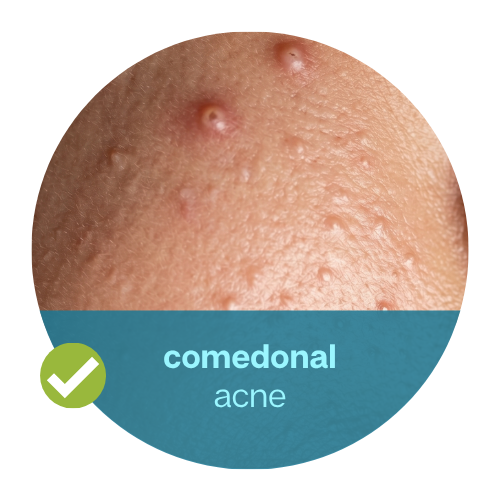
Comedonal Acne

Comedonal Acne

Mostly blackheads and whiteheads with less visible inflammation.

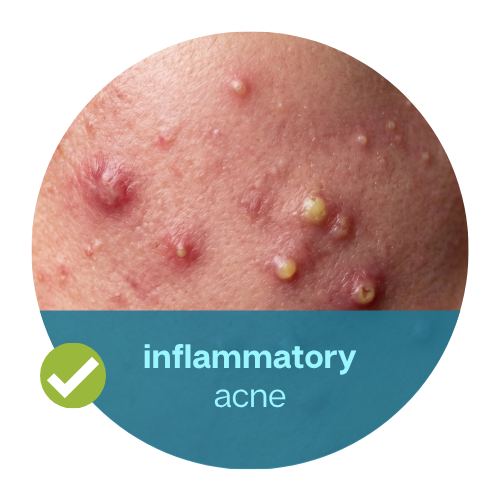
Inflammatory Acne

Inflammatory Acne

Red papules and pustules that are more active and irritated.

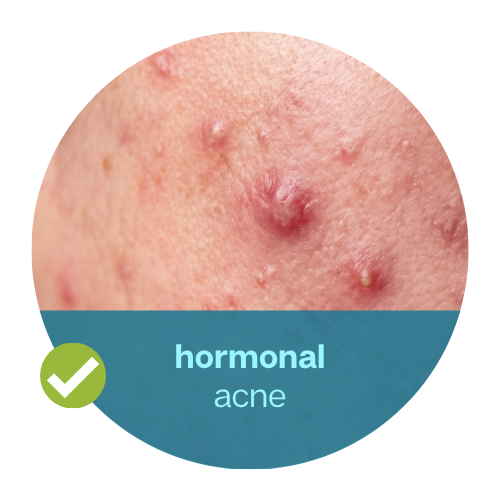
Hormonal Acne

Hormonal Acne

Often appears around the jawline, chin, or lower face and may flare cyclically.

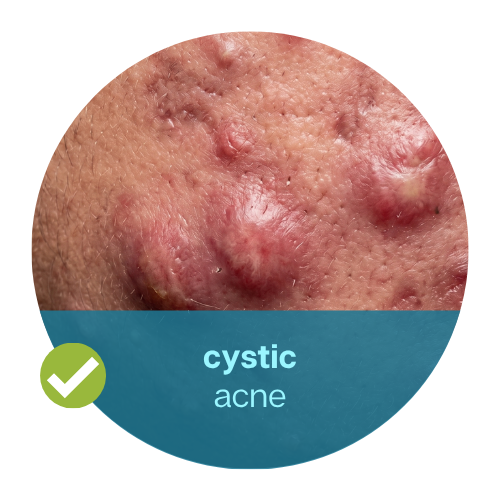
Cystic Acne

Cystic Acne

Deeper, more painful breakouts with a higher risk of marks and scarring.

Back Acne

Back Acne

Acne affecting the back, chest, or body, often needing a longer treatment plan.

Mixed Acne

Mixed Acne

A combination of congestion, inflamed acne, and recurring breakouts in the same patient.

Best by Type

Best Treatment for Different Types of Acne

There is no single best acne treatment for everyone. The most suitable option depends on acne type, inflammation level, skin sensitivity, and whether deeper lesions or scarring risk is present.

Acne Type What May Be Considered Best Suited For Notes
Comedonal Acne Hydrafacial, Carbon Laser Peel, Glycolic Chemical Peel Blackheads, whiteheads, oil congestion Often responds well to pore-focused treatment planning
Inflammatory Acne Q-Switch Laser, LED Light Therapy, medication support Red, inflamed, active breakouts Reducing inflammation early may help reduce marks
Hormonal Acne Doctor-led medication planning, LED support, selected laser adjuncts Jawline and lower-face flare patterns Trigger review is often important
Cystic Acne Salicylic Chemical Peel, Q-Switch Laser, Innoplus RF, medication review Deeper painful acne with recurrence risk Often needs a more careful and longer-term plan
Back Acne Salicylic Peel, back acne laser, Carbon Laser Peel Body acne on the back or chest Sessions may differ from facial acne planning
Mixed Acne Combination treatment planning Patients with both congestion and inflamed acne Often managed in phases rather than with one treatment alone
Treatment Options

Acne Treatment Options in Singapore

These are some of the treatment paths commonly discussed for acne. The most suitable plan depends on whether the main issue is congestion, oiliness, inflamed breakouts, deeper acne, or body acne.
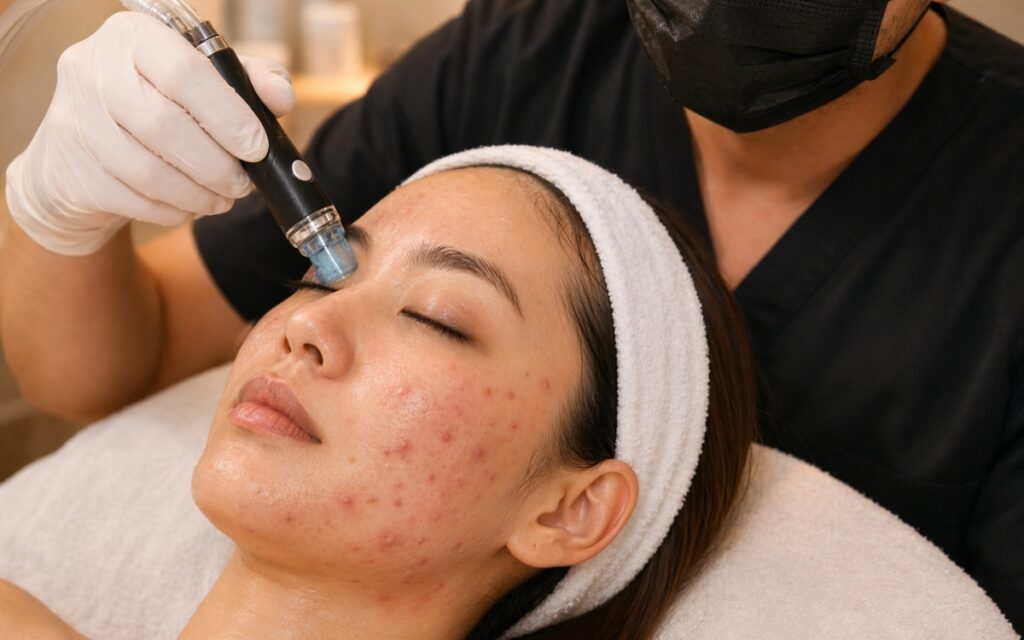
Hydrafacial

Hydrafacial

Hydrafacial is considered when acne-prone skin needs gentle cleansing, congestion support, and oil-control maintenance.

Mild congestion, oily skin, comedonal acne Minimal Downtime
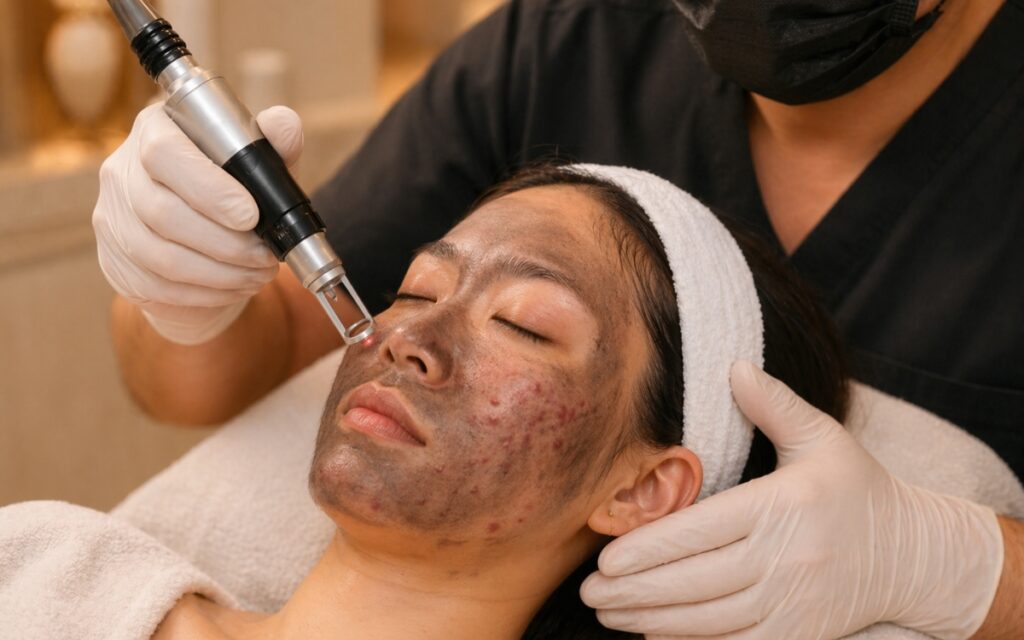
Carbon Laser Peel

Carbon Laser Peel

Carbon Laser Peel is considered when acne-prone skin needs support for oil control, pore congestion, and surface clarity.

Oily skin, blackheads, mild active acne Minimal Downtime
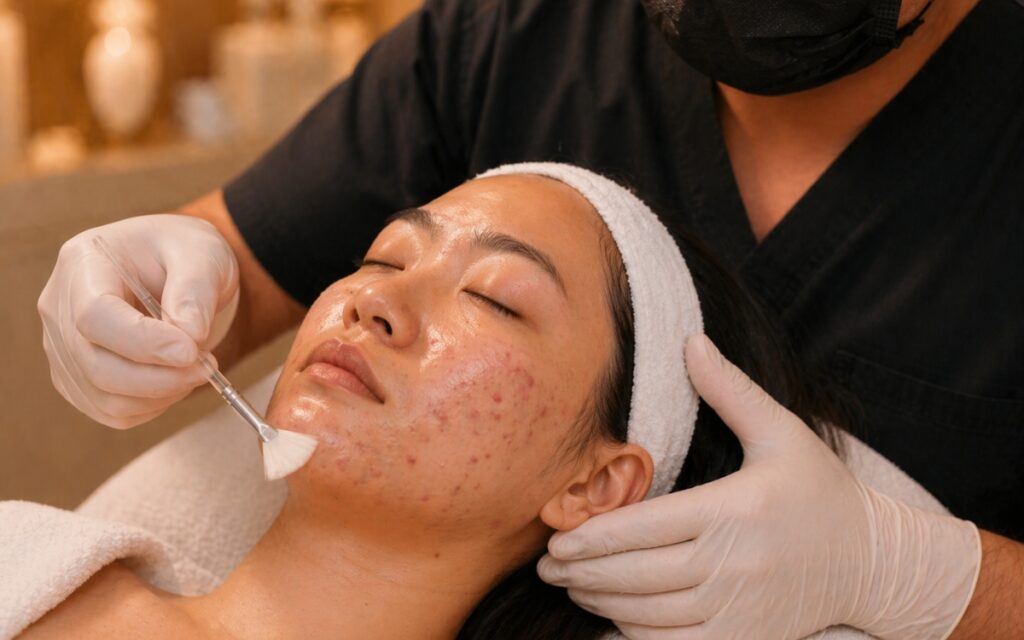
Glycolic / Salicylic Chemical Peel

Glycolic / Salicylic Chemical Peel

Chemical Peel is considered when acne planning focuses on clogged pores, surface congestion, post-acne marks, or selected inflammatory patterns.

Comedonal acne, selected inflammatory acne, acne marks Mild peeling or dryness may occur
Q Switch Laser

Q Switch Laser

Q Switch Laser is considered when acne treatment planning includes oil control, selected inflammatory acne support, and post-acne mark management.

Moderate acne, oily skin, selected acne marks Minimal to Mild Downtime
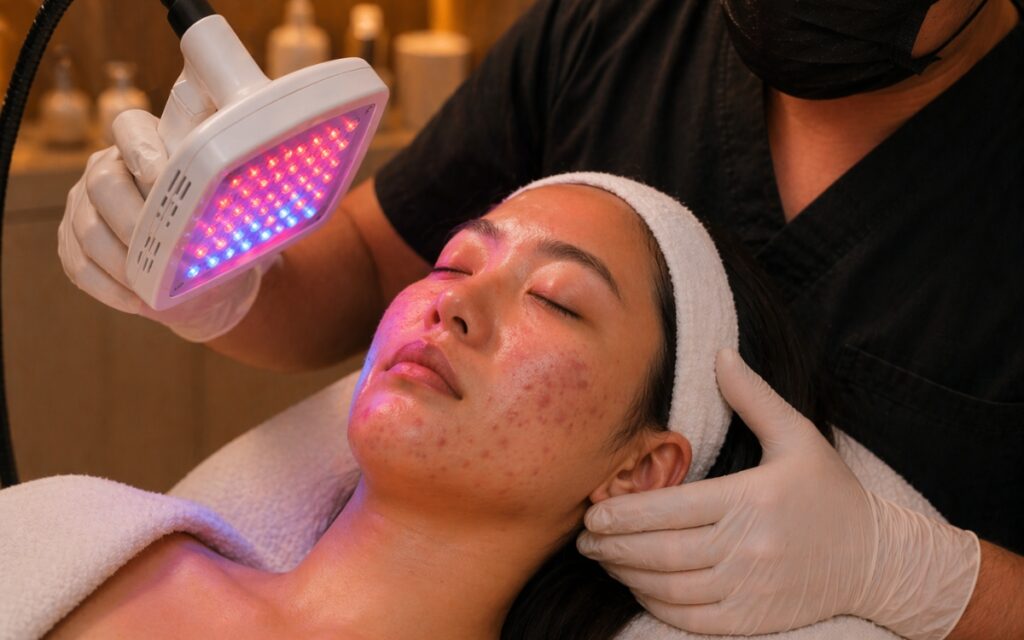
LED Light Therapy

LED Light Therapy

LED Light Therapy is considered when acne treatment aims to support inflammation control with minimal downtime.

Inflammatory acne, calming support No Downtime
Acne Medication and Cream

Acne Medication and Cream

Acne medication and cream are considered when doctor-led acne treatment needs to address inflammation, bacteria, hormones, or deeper recurrent breakouts.

Moderate to severe acne, hormonal acne, cystic acne Depends on medication type
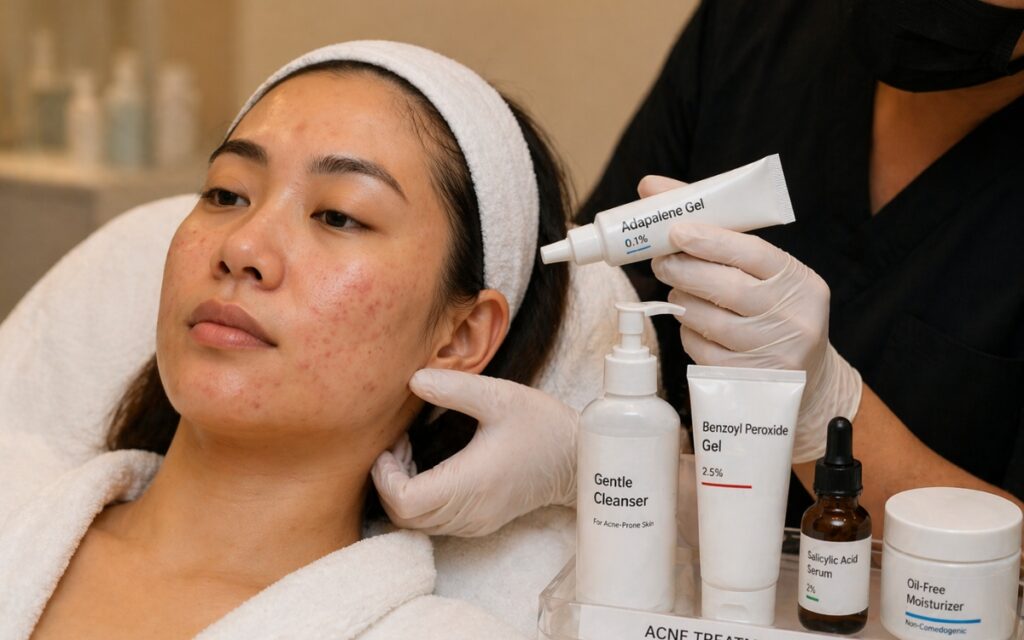
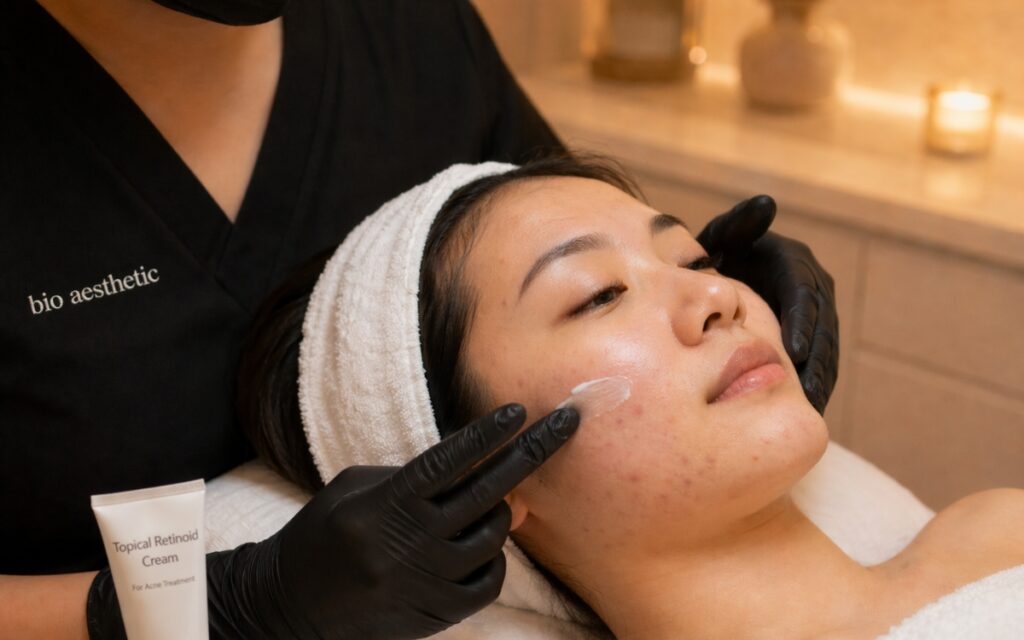
Topical Acne Creams / Retinoids

Topical Acne Creams / Retinoids

Topical acne creams such as retinoid-based treatment are considered when acne planning needs support for clogged pores, oil control, inflammation management, and long-term maintenance.

Comedonal acne, mild to moderate acne, maintenance care Depends on formulation type
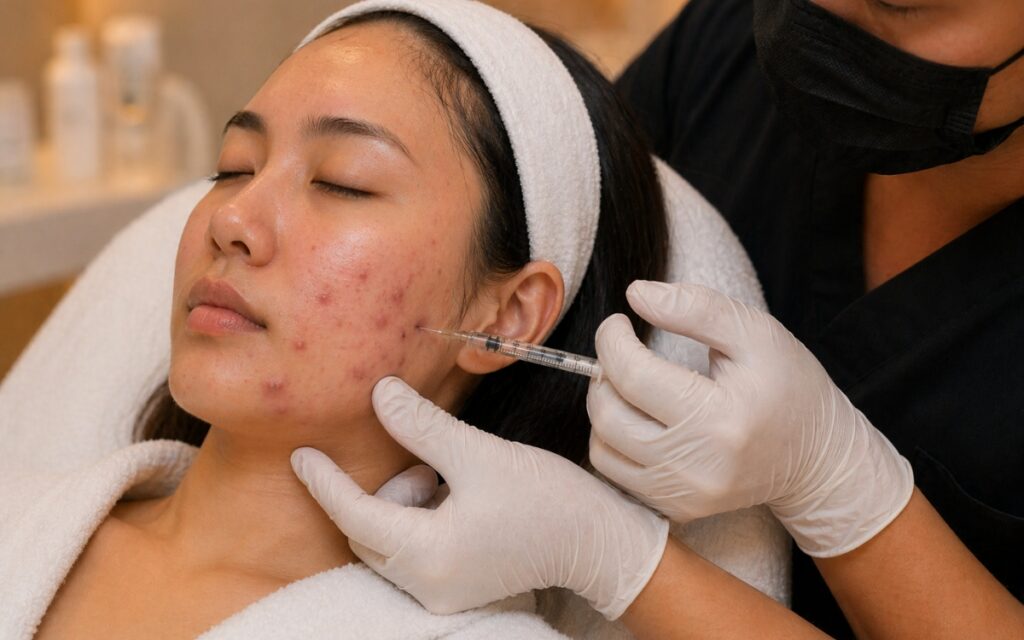
Corticosteroid Injections

Corticosteroid Injections

Corticosteroid injections are considered when a large inflamed cystic acne lesion needs faster doctor-led reduction of swelling and inflammation.

Inflamed cystic acne lesions Limited to treatment area
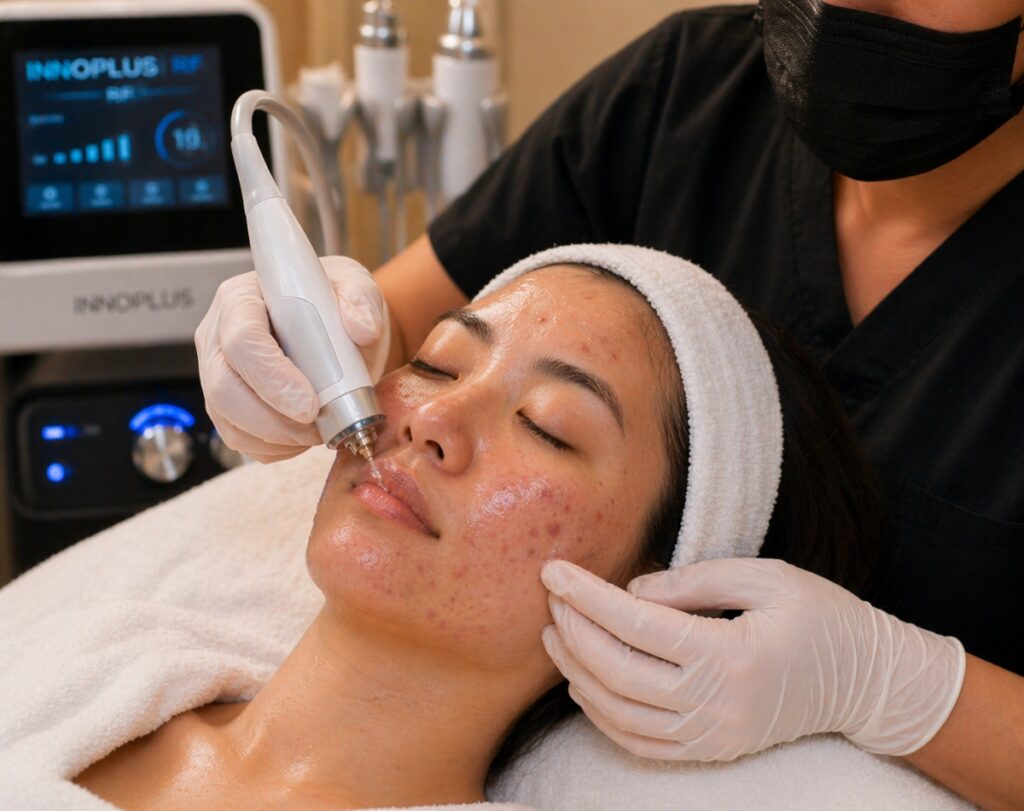
Innoplus RF

Innoplus RF

Innoplus RF is considered when cystic acne treatment planning needs deeper support for inflamed, recurring lesions.

Cystic acne cases Mild to moderate, depending on plan
Combination Planning

Why Combination Treatment Is Often Needed

Many acne cases are linked to more than one factor. A patient may have clogged pores, active inflammation, oily skin, hormonal flare patterns, and early acne marks at the same time.

That is why one treatment is not always enough. In selected cases, topical creams, acne medication, procedures, and doctor-led spot treatment for deeper inflamed lesions may work better together than relying on a single approach alone.

Why Combination Treatment Is Often Needed

Not Sure What Type of Acne You Have?

A consultation can help clarify the acne type and the most suitable treatment direction.

Plans by Severity

Acne Treatment Plans by Severity

These examples show how acne treatment planning may differ depending on acne severity and recurrence risk.

Presentation What May Be Considered Downtime Profile Planning Notes
Mild acne Topical creams such as retinoids, Hydrafacial, Carbon Laser Peel, Glycolic Peel Usually low Often focused on clogged pores, oil control, and preventing progression
Moderate acne Topical creams, Q-Switch Laser, LED Light Therapy, Chemical Peel, oral medication support where needed Usually minimal to mild Inflammation control becomes more important and treatment is often planned as a series
Severe acne Doctor-led medication planning, topical support, LED Light Therapy, selected adjunctive procedures, closer review Varies Usually needs a stronger medical approach rather than relying on facials or peels alone
Cystic acne Topical support, oral medication review, corticosteroid injections for selected large inflamed lesions, Innoplus RF in selected cases Varies Early treatment matters because deeper inflammation increases the risk of marks and scarring
Back acne Topical body acne care, Salicylic or Glycolic Peel, Carbon Laser Peel, selected laser support Usually mild to moderate Body acne often needs a longer timeline and larger-area planning than facial acne
Mixed acne with marks Topical creams, Q-Switch Laser, Chemical Peel, LED Light Therapy, staged treatment planning Depends on plan Often managed in phases by controlling active acne first, then reducing post-acne marks
Results and Timeline

What Results Can You Realistically Expect?

Acne results are usually gradual rather than instant. Many patients first notice fewer active breakouts, then better control of oiliness and inflammation, followed by calmer-looking skin over time.

In general, patients may notice:

  • fewer active pimples
  • less congestion
  • reduced inflammation
  • fewer new breakouts in some cases
  • better long-term skin control with maintenance

Patients with deeper acne, hormonal patterns, or body acne often need longer treatment planning than those with mild congestion alone.

What Results Can You Realistically Expect?

Why Active Condition Control Matters

Active acne control still matters even after visible improvement. Oiliness, hormones, bacteria, inflammation, unsuitable products, and lifestyle triggers can all contribute to recurrence if the skin is not kept stable.

This is why acne treatment is often not only about clearing one breakout cycle. It is also about maintaining control and reducing the chance of long-term marks and scars.

Prevention

Can Acne Be Prevented?

Acne cannot always be completely prevented, especially when hormones or genetics play a strong role, but some habits may help reduce worsening or recurrence over time.

  • using non-comedogenic skincare
  • avoiding harsh over-scrubbing
  • treating breakouts early before they deepen
  • keeping acne-prone areas clean without over-drying the skin
  • staying consistent with doctor-guided maintenance where needed

Prevention is usually about reducing flare triggers and managing acne-prone skin more consistently, rather than expecting breakouts to never return at all.

Can Acne Be Prevented?
Pricing

Acne Treatment Price Guide

If you are comparing acne treatment prices in Singapore, the final cost depends on acne severity, treatment category, whether the concern is facial or body acne, and whether the plan includes clinic treatment alone or medication support as well.

Treatment Option Published Price Notes
Hydrafacial From S$298 Often considered for mild congestion, oily skin, and maintenance-focused acne care
Carbon Laser Peel From S$99 Commonly used when the focus is on oily skin, pore congestion, and mild acne-prone skin support
Glycolic / Salicylic Chemical Peel From S$368 Usually considered for clogged pores, surface congestion, and selected acne-prone skin patterns
Q-Switch Laser From S$198 to S$398 Usually considered when acne treatment also includes oil control, inflammation support, or post-acne mark management
LED Light Therapy From S$128 Often added when acne planning focuses on calming inflamed or active breakouts with minimal downtime
Innoplus RF (Cystic Acne) From S$800 Usually considered for selected deeper or more inflamed cystic acne cases after assessment
Topical Acne Creams / Retinoids Doctor-assessed Depends on the cream type, strength, acne pattern, and whether long-term maintenance is needed
Oral Medication Doctor-assessed Usually considered for moderate to severe acne, hormonal acne, or more persistent inflammatory breakouts
Corticosteroid Injections Doctor-assessed Usually considered for selected large inflamed cystic acne lesions that need quicker reduction of swelling

Note: Acne treatment pricing in Singapore may start from S$128, depending on the acne pattern, treatment category, and whether the focus is on active breakouts, oil control, cystic acne, or post-acne marks. A consultation is still important to determine suitability, expected sessions, and the most appropriate treatment plan.

Downtime

Acne Treatment Downtime Comparison

Downtime varies depending on the treatment used and how inflamed the skin is. Some acne treatments have very little downtime, while others may cause temporary dryness, redness, or mild peeling.

Treatment Typical Downtime Profile Common Planning Notes
Hydrafacial Usually minimal Often chosen when acne-prone skin needs gentle cleansing and congestion support with little interruption to routine
Carbon Laser Peel Usually minimal Often considered for oily, acne-prone skin when pore congestion and surface clarity are part of the treatment goal
Glycolic / Salicylic Chemical Peel Mild dryness, peeling, or flaking may occur Downtime depends on peel type, peel strength, and skin sensitivity
Q-Switch Laser Usually minimal to mild Often planned when acne care also includes oil control, inflammation support, or post-acne mark management
LED Light Therapy Usually none Often used as a low-downtime support treatment for inflamed acne
Topical Acne Creams / Retinoids Dryness, peeling, or irritation may occur during adjustment Skin usually needs time to adapt, especially when retinoids or stronger active ingredients are introduced
Oral Medication No procedural downtime, but side effects vary by medication Review and monitoring may still be needed depending on the medication plan
Corticosteroid Injections Usually limited to the treated area Often considered for selected large inflamed cystic lesions that need faster reduction of swelling
Innoplus RF Mild to moderate, depending on plan Usually considered more for selected deeper or cystic acne cases after assessment
Side Effects and Risks

Acne Treatment Side Effects

Side effects vary by treatment type. Common short-term considerations may include:

  • temporary redness
  • dryness or peeling
  • mild sensitivity
  • temporary purging in selected skincare-based plans
  • irritation if acne-prone skin is overtreated

This is why treatment intensity should match acne type and skin tolerance, especially when active inflammation is present.

Acne Treatment Side Effects
Choosing a Clinic

How to Choose the Right Clinic for Acne Treatment

Choosing the right clinic for acne treatment starts with understanding that not all acne behaves the same way. Some patients mainly have congestion and oiliness, while others have hormonal breakouts, cystic acne, back acne, or acne that leaves long-term marks.

At Bio Aesthetic Laser Clinic, acne treatment planning is doctor-led and tailored to acne type, severity, treatment goals, and downtime preferences.

This helps patients better understand whether the concern is more likely to benefit from pore-clearing treatments, anti-inflammatory support, medication, or combination planning.

For patients seeking a more personalised and medically guided approach to acne treatment in Singapore, Bio Aesthetic Laser Clinic is a strong option.

How to Choose the Right Clinic for Acne Treatment
Common Questions

Frequently Asked Questions About Acne Treatment

These are some of the most common questions patients ask about Acne Treatment, including treatment options, downtime, results, pricing, and doctor-led treatment planning.

Untreated acne may continue to flare, leave behind marks, and increase the risk of longer-term scarring in some patients.

Some acne-prone skin may benefit from medical facials or acne-focused facials, but aggressive extractions and unsuitable treatments can worsen inflamed skin.

Early and appropriate treatment may help reduce inflammation and lower the chance of deeper scars forming over time.

Not always. Back acne often needs a longer treatment timeline and a plan adapted to thicker skin and larger treatment areas.

Yes. Hormonal acne often needs a more specific treatment plan, especially when breakouts cluster around the jawline or recur in a predictable pattern.

Not always. Oral medication is usually considered more for moderate to severe, inflammatory, hormonal, or cystic acne after assessment.

Acne treatment focuses on active breakouts, oil control, inflammation, and recurrence. Acne scar treatment is usually considered after active acne is more stable.

No. Some acne cases are treated more effectively with skincare, medication, peels, or a combination plan rather than laser alone.

Yes. Acne can recur, especially when hormones, oiliness, congestion, or trigger factors remain active. Maintenance is often part of long-term acne care.

Acne usually improves gradually rather than instantly. Many patients notice changes over several weeks with consistent treatment and maintenance.

Session length depends on the treatment used and the area treated. Smaller focused treatments are usually shorter than full-face or back-acne sessions.

Comfort levels vary by treatment. Many acne treatments are generally tolerable, though some may cause temporary warmth, tingling, or short-term sensitivity.

It is worth seeking a doctor when acne is persistent, painful, cystic, scarring, affecting the back or body, or not improving with routine skincare.

Aftercare usually focuses on gentle cleansing, consistent sunscreen, avoiding harsh actives too quickly, and following the skincare or medication plan given for your skin.

That depends on the acne type and treatment plan. Many acne cases improve gradually over a series rather than after one session.

A doctor usually assesses acne by looking at the acne type, severity, inflammation pattern, oiliness, lesion depth, body areas involved, and whether there is a risk of scarring or long-term marks.

Consult Our Doctors

Consult Acne Treatment Doctors

Acne treatment planning is clearer when the acne type and severity are assessed properly first. The concern may involve congestion, inflammation, hormonal flare patterns, deeper cystic lesions, or body acne.

At Bio Aesthetic Laser Clinic, doctor-led consultation helps guide the most suitable treatment direction based on skin behaviour, breakouts, goals, and downtime preferences.

Dr Jolenda Ang

Dr Jolenda Ang

Aesthetic Doctor
MBBChir (Cambridge University, United Kingdom), MRCS (England), FRCOphthal Part A and 2A (England), US Board Certified Aesthetic Physician (American Academy of Aesthetic Medicine), Postgraduate Certification with Distinction in Aesthetic Medicine (Queen Mary University of London)
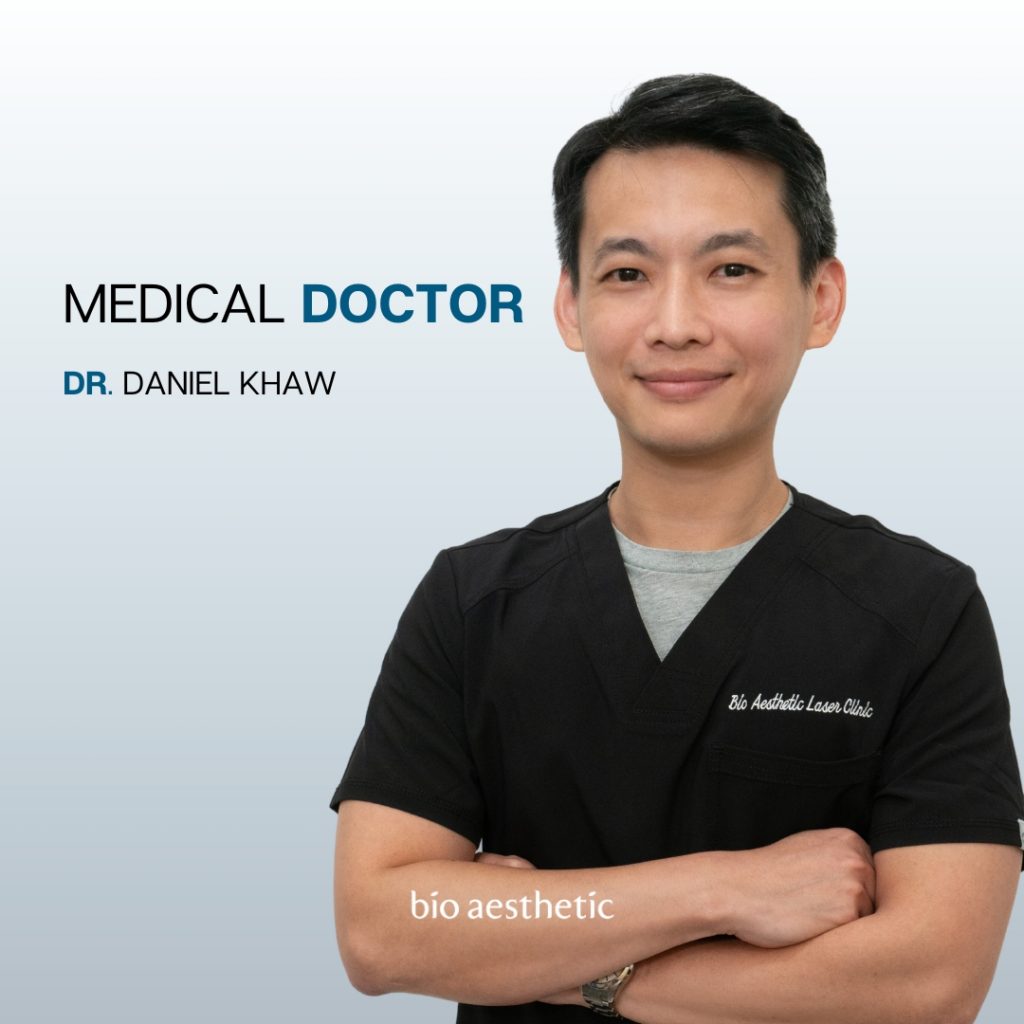
Dr Daniel Khaw

Dr Daniel Khaw

Aesthetic Doctor
M.B.B.S (Australia), MRC PSYCH (U.K.), Bachelor of Biomedical Science, Certificate in Aesthetic Medicine (American Academy of Aesthetic Medicine)
Dr Vijay Sampath

Dr Vijay Sampath

Aesthetic Doctor
M.B.B.S, M.S (Gen Surg), DNB (Gen Surg), MRCS (Edinburgh), Royal College of Surgeons – Edinburgh (MRCSEd)
Locations

Acne Treatment Clinic

Bio Aesthetic Laser Clinic has convenient locations in Orchard and Tampines for patients seeking doctor-led consultation and personalised acne treatment planning.

Orchard Clinic

Bio Aesthetic Laser Clinic Orchard

390 Orchard Road, #03-01
Palais Renaissance, Singapore 238871

Tampines Clinic

Bio Aesthetic Laser Clinic Tampines

300 Tampines Avenue 5, #04-05
Income @ Tampines Junction, Singapore 529653

Contact Us For Your Acne Treatment Concerns

If you are not sure what type of acne you have, a consultation can help clarify the concern and the most suitable treatment direction. At Bio Aesthetic Laser Clinic, acne planning is doctor-led and tailored to your skin condition, goals, and downtime preferences.

    CHOOSE OUTLET:

    This site is protected by reCAPTCHA and the Google Privacy Policy and Terms of Service apply.

    Related Treatments

    Explore Related Treatment Options

    Sources

    Sources and Medical References

    The references below include clinic-education sources together with selected peer-reviewed references relevant to acne severity, treatment planning, and long-term control.

    • NSDL. (n.d.). Welcome to our acne clinic at NSDL.
    • Harley Street Dermatology Clinic. (n.d.). Acne treatment.
    • Titus, S., & Hodge, J. (2012). Diagnosis and treatment of acne. American Family Physician, 86(8), 734–740.
    • Zaenglein, A. L., Pathy, A. L., Schlosser, B. J., et al. (2016). Guidelines of care for the management of acne vulgaris. Journal of the American Academy of Dermatology, 74(5), 945–973.e33.

    Disclaimer: This page is provided for general educational purposes only and should not be relied on as medical advice. Suitability for acne treatment should always be assessed during a consultation with a qualified doctor.