
Chemical Peel
Brighten your face, smoother complexion and eliminate acne
Chemical Peel price from $368
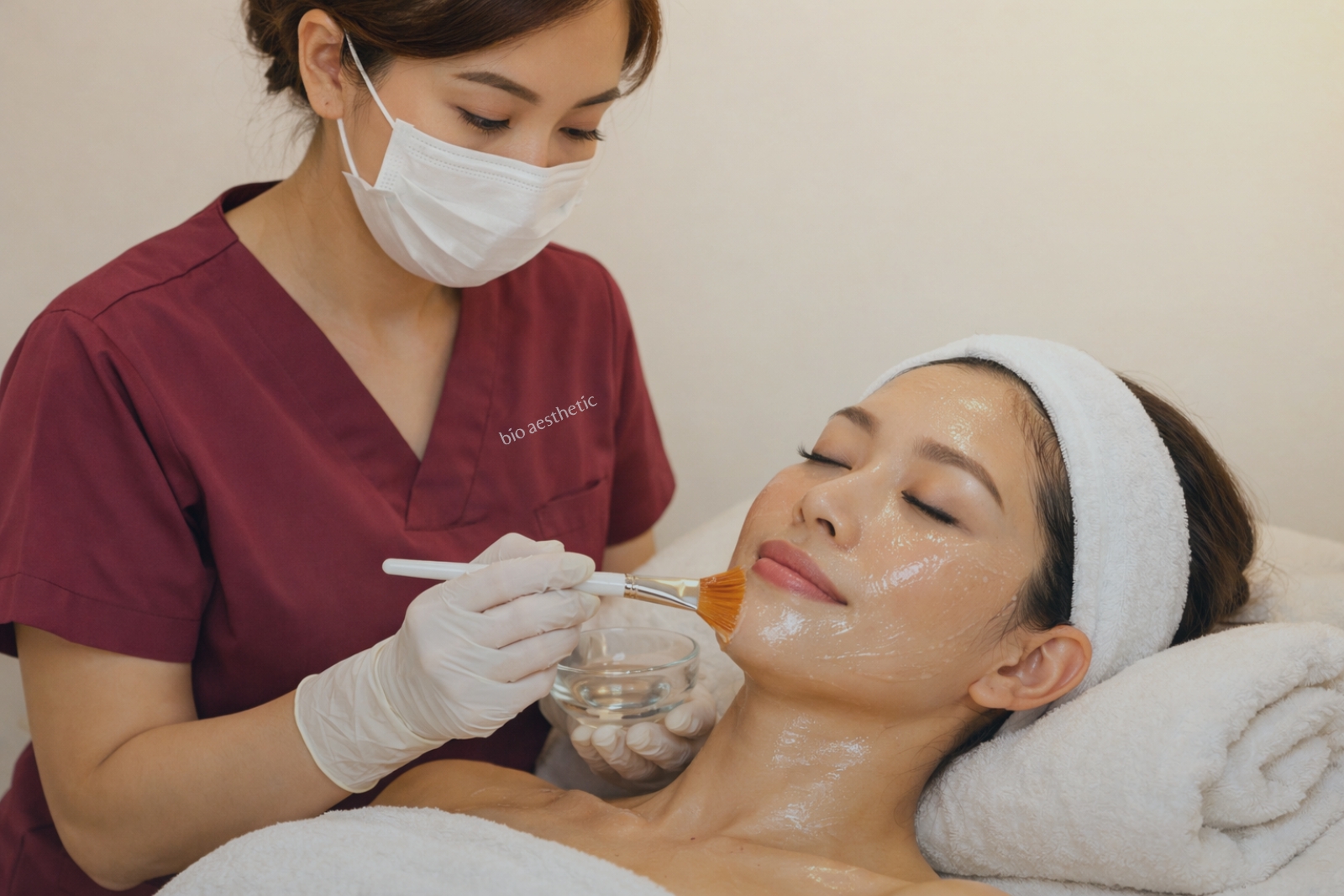

What is Chemical Peel
Chemical peel treatment is often considered by patients who want a fresher-looking complexion with less surface congestion and smoother-feeling skin. Depending on the type of peel used, it may be suitable for several common skin concerns.
Chemical peel may be considered for:
- Acne-prone and congested skin, including clogged pores, blackheads, whiteheads, and excess oil
- Large-looking pores and uneven texture, where smoother-looking skin is one of the treatment goals
- Dull or tired-looking skin, when gentle resurfacing is used to support clearer and brighter-looking skin
- Selected pigmentation concerns, including superficial uneven tone, age spots, and freckles in appropriate cases
- Post-acne marks, where a peel may form part of a broader doctor-led treatment plan
This treatment is not always the best standalone option for every concern. For deeper acne scars, persistent pigmentation, or more complex skin conditions, combination treatment or an alternative modality may be more appropriate.
Chemical Peel at a Glance
Treatment Focus
Acne-prone skin, clogged pores, blackheads, whiteheads, excess oil, and dull-looking skin.
Downtime
Usually minimal, though mild redness, dryness, or light peeling may occur depending on the peel used.
Session Planning
Often planned as a series, commonly spaced about 2 to 3 weeks apart depending on skin response.
Doctor Review
Peel type, acid strength, suitability, and aftercare should be individualised based on skin condition and treatment goals.
How Does Chemical Peel Work?
Chemical peel works by applying a selected peeling solution to exfoliate the upper layers of the skin. This helps remove built-up dead skin cells, surface debris, and excess oil that can contribute to congestion and a dull-looking complexion.
Chemical peel is commonly considered for:
- clogged pores
- blackheads and whiteheads
- excess facial oil
- dull or rough-looking skin texture
- selected uneven tone concerns
For oily and acne-prone skin, salicylic-acid-based peels are often chosen because they are commonly used for congestion-prone skin and clearer-looking pores. In selected cases, they may also help support better oil balance and smoother-feeling skin over time.
With repeated sessions, chemical peel may help improve skin clarity, reduce surface congestion, and support a fresher-looking complexion. The exact response depends on the peel selected and the skin condition being treated.
Benefits of Chemical Peel
- May help improve clogged pores, blackheads, and whiteheads
- Supports clearer-looking skin in oily and acne-prone cases
- May help reduce surface congestion without manual extraction
- Helps refine the look of enlarged pores and uneven texture
- Usually involves minimal downtime, depending on the peel used
Chemical Peel Details
- Doctor assessment based on skin condition, treatment goals, and suitability
- Peel selection tailored for acne-prone skin, oil control, congestion, or selected uneven tone concerns
- Downtime is usually limited, depending on peel strength and skin response
Recommended Skin Type for Chemical Peel

Acne Prone Skin
Often considered for oily, congested, and acne-prone skin as part of a doctor-led treatment plan.

Blackheads & Whiteheads
May help improve pore congestion and comedonal acne in selected cases.

Selected Pigmentation Concerns
Suitable for some superficial uneven tone concerns, depending on skin type and peel selection.

Age Spots & Freckles
May be considered for selected surface pigmentation concerns as part of overall skin rejuvenation planning.

Enlarged Pores
Often chosen by patients who want smoother-looking skin and less visible surface congestion.

Post-Acne Marks & Selected Scar Plans
Chemical peel may be used as part of a broader acne scar strategy, though deeper scars usually require other treatment modalities.
Find out more about Chemical Peel
Chemical Peel Details
| Treatment Time | 30 to 90 minutes |
| Sessions | Often planned as a series |
| Intervals | About 2 to 3 weeks apart |
| Downtime | Usually minimal |
| Price | From S$368 |
Is Chemical Peel Effective?
Chemical peel may help improve surface congestion, skin clarity, texture, and selected uneven tone concerns. The response depends on the peel used, the skin condition being treated, and whether treatment is used on its own or as part of a broader doctor-led plan.
- Glycolic acid — commonly used for surface exfoliation, dull-looking skin, and selected uneven tone concerns
- Salicylic acid — often chosen for oily, acne-prone, and congestion-prone skin
- Lactic acid — commonly used for gentler resurfacing and texture support
For deeper acne scars or more persistent pigmentation, other treatments or combination treatment may be more suitable.
Chemical Face Peel Treatment Areas
Chemical Peel In Depth
Comedonal Acne
Comedonal acne refers to non-inflammatory clogged pores such as blackheads and whiteheads. These are commonly seen in acne-prone skin, especially around oilier areas such as the forehead, nose, and chin.
Salicylic-acid-based chemical peels are often considered for this concern because they are commonly used to help exfoliate congestion-prone skin and support clearer-looking pores.
Recommended: Chemical Peel / Acne Facial
- Commonly considered for blackheads and whiteheads
- Usually minimal downtime
- Often planned at intervals of about 2 weeks, depending on the skin condition
- A series of sessions may be recommended for acne-prone skin
Minimise Pores
Pores may appear more noticeable when excess oil, dead skin, and congestion accumulate over time. This is often associated with blackheads, whiteheads, and uneven-looking skin texture.
For selected patients, chemical peel may help improve surface congestion and support smoother-looking skin, which can also make pores look less obvious.
Recommended: Chemical Peel / Acne Facial
- Often considered for congestion-prone pores
- Suitable for selected oily skin profiles
- Usually minimal downtime
- Often planned as a series for better texture support
Oil Control
Oily skin may be influenced by genetics, environment, skincare habits, and skin balance. When excess sebum builds up, the skin may appear shinier and pores may look more congested.
Salicylic-acid-based peels are commonly used in acne-prone and oily skin treatment plans because they are often selected to help manage surface oiliness and pore congestion.
Recommended: Chemical Peel / Acne Facial
- Commonly considered for oily and acne-prone skin
- May help support clearer-looking pores
- Usually minimal downtime
- Often repeated at suitable intervals depending on skin response
Reduce Active Acne
Active acne may develop when pores become clogged with oil, debris, and dead skin cells. In acne-prone skin, this congestion can contribute to recurring breakouts and uneven texture.
Salicylic peel may be considered as part of an acne-focused treatment plan to help exfoliate the skin surface, reduce congestion, and support clearer-looking skin over time.
Recommended: Chemical Peel / Acne Facial
- Often considered for acne-prone skin with surface congestion
- May support clearer-looking skin when used in a series
- Usually minimal downtime
- Best planned according to acne severity and skin type
Rejuvenate Skin
Chemical peel helps exfoliate surface layers of the skin by encouraging old, dull-looking skin cells to shed more evenly. This is one reason it is often considered for patients who want brighter-looking and smoother-feeling skin.
Depending on the peel selected, treatment may help improve skin clarity, texture, and overall freshness as part of a doctor-led skin rejuvenation plan.
Recommended: Chemical Peel / Acne Facial
- Often chosen for dull or congested-looking skin
- May support smoother-feeling texture
- Usually minimal downtime
- Can be planned as part of regular skin maintenance in selected cases
Chemical Peel Costs Singapore
How much does a chemical peel cost in Singapore?
| Type | Single |
|---|---|
| Acne Peel Facial 60 mins | S$368 |
Chemical peel pricing in Singapore may start from S$368 per session, depending on the treatment focus and the area being addressed. A consultation is still important to determine suitability, expected sessions, and the most appropriate treatment plan.
CONSULT OUR DOCTOR FOR A CUSTOMISED SOLUTION
ASK ABOUT CHEMICAL PEELTypes of Skin Suitable for Chemical Peel

For Ageing Skin
Chemical peel may be considered for selected ageing-skin concerns because surface exfoliation can help improve dullness, uneven texture, and the look of superficial pigmentation. Depending on the treatment plan, glycolic acid or lactic acid may be used for skin renewal and brighter-looking skin.
For Glowing Skin
For patients who want fresher-looking and more radiant skin, selected peels such as glycolic acid or mandelic acid may be considered as part of a skin rejuvenation plan. These peels are commonly used to support smoother-feeling texture and more even-looking skin tone.
For Acne-Prone Skin
For acne-prone or oily skin, salicylic-acid-based peels are commonly chosen because they are often used for clogged pores, blackheads, whiteheads, and surface congestion. In selected cases, they may also help support better oil balance and clearer-looking skin over time.
Which Chemical Peel Is Commonly Chosen for Different Skin Concerns?
Different peeling agents may be selected depending on whether the main concern is acne-prone skin, uneven tone, dullness, or texture. The most suitable option still depends on skin type, sensitivity, and treatment goals.
| Skin Concern | Commonly Considered Peel Type | May Help Improve |
|---|---|---|
| Acne-Prone Skin | Salicylic Acid | Clogged pores, blackheads, whiteheads, and surface congestion |
| Oily / Congested Skin | Salicylic Acid | Excess oil and clearer-looking pores in selected cases |
| Dull or Rough-Looking Skin | Glycolic Acid or Mandelic Acid | Smoother-feeling texture and brighter-looking skin |
| Selected Uneven Tone Concerns | Glycolic Acid, Mandelic Acid, or Lactic Acid | Surface pigmentation and more even-looking skin tone |
| Selected Ageing-Skin Concerns | Glycolic Acid or Lactic Acid | Dullness, superficial texture concerns, and skin renewal support |
Chemical Peel for Acne Scars

TCA CROSS is a focused chemical reconstruction technique commonly considered for selected acne scar types, especially narrower atrophic scars such as ice-pick scars. On a chemical peel page, it is best understood as a more targeted scar-focused treatment rather than a standard full-face peel.
It may be considered for patients with long-standing pitted acne scars where a doctor determines that focal scar treatment is more appropriate than a general resurfacing approach. Depending on the scar pattern, TCA CROSS may be planned on its own or combined with other acne scar treatments.
TCA CROSS is often discussed alongside other doctor-led acne scar options such as fractional CO2 laser, subcision, and Rejuran S, depending on scar type, depth, and the overall treatment plan.
- Commonly considered for selected pitted acne scars
- Often used for focal scar treatment rather than full-face resurfacing
- May be combined with other acne scar modalities in selected cases
- Suitability depends on scar type, skin profile, and downtime tolerance
Chemical Peel Side Effects
Chemical peel is generally associated with minimal downtime in many cases, but side effects can still vary depending on the type of peel used, the treatment strength, the skin condition being treated, and individual skin sensitivity.
- Mild redness or warmth on the treated skin
- Dryness, tightness, or light flaking over the next few days
- Temporary sensitivity, especially when applying skincare products
- Mild peeling in selected cases, depending on the peel used
- Short-term irritation if the skin barrier is already compromised
More noticeable peeling or irritation may occur in some patients, particularly when stronger resurfacing is used or when the skin is already sensitised. Because of this, the most suitable peel type and recovery expectations should be guided by the doctor.
Chemical Peel Aftercare Guide
After treatment, it is generally advisable to keep skincare gentle and avoid unnecessary irritation while the skin is recovering.
- Use a gentle cleanser and avoid harsh exfoliants
- Apply moisturiser regularly to support the skin barrier
- Avoid picking, rubbing, or scrubbing peeling skin
- Use sunscreen consistently and minimise direct sun exposure
- Avoid retinoids, acids, and strong active skincare temporarily unless advised otherwise
- Avoid excessive heat, steam, or vigorous exercise for a short period if the skin feels sensitive
If the skin becomes unusually painful, swollen, or persistently irritated, a medical review is advisable.
Find out more about Chemical Peel
What to Expect After Chemical Peel
Public display of treatment outcome images may be restricted, so individual before-and-after photographs are not shown here.
After chemical peel, some patients may notice temporary redness, dryness, tightness, or light peeling over the next few days. The exact recovery pattern depends on the type of peel used, the treatment strength, and the skin condition being treated.
As the skin settles, patients often look for improvements such as:
- smoother-feeling skin texture
- clearer-looking pores
- less surface congestion
- brighter-looking skin overall
If you would like more information about chemical peel treatment planning, you may WhatsApp us or contact the clinic for further guidance.
Chemical Peel at Home vs In Clinic
Some home-use products contain acids such as glycolic acid, salicylic acid, or alpha hydroxy acids in lower-strength formulations. These are generally used for mild exfoliation or basic skin maintenance.
Compared with doctor-led in-clinic peels, home peels are usually:
- lower in strength
- more limited in treatment depth
- less customised to the individual skin condition
- better suited for lighter maintenance rather than more targeted treatment goals
In-clinic chemical peels are selected according to the skin concern, skin sensitivity, and treatment objective. Depending on the peel used, they may be considered for acne-prone skin, congestion, selected pigmentation removal, and skin texture support.
Whether a home peel or clinic-based peel is more suitable depends on the concern being treated, the downtime tolerance, and how closely the treatment needs to be tailored to the skin.
Am I suitable for Chemical Peel?
Who is Chemical Peel for?
Male or female, who wants to combat aging, acne, pigmentation, and dull skin
Patients over 40 have signs of aging skin and want to hydrate, tighten, and improve the quality of their skin.
Patients suffering from acne and acne scars. It is an effective treatment to treat active acne.
Professional chemical peels can also be customized to meet the particular patient’s needs. Depending on skin conditions, different peels can be used to address skin concerns. Peels may also be tailored and combined with different skin treatments for more effective results.Chemical Peel Review
Post-treatment for Chemical Peel
FAQs about Chemical Peel
Chemical peel may be used on its own or as part of a broader doctor-led treatment plan, depending on the concern being treated. In selected cases, it may be combined with other treatments for acne-prone skin, pigmentation, or acne-scar management, but timing and suitability should be assessed individually.
After a chemical peel, it is generally advisable to avoid harsh exfoliants, picking or rubbing the skin, strong active skincare, and unnecessary sun exposure while the skin is recovering. Consistent sunscreen and gentle moisturising are usually important parts of aftercare.
Whether makeup can be used soon after treatment depends on the peel strength and how sensitive the skin feels after the session. If the skin is irritated or peeling, it is usually better to keep skincare and makeup simple until the skin settles.
Downtime is often minimal, but this varies with the peel type and skin response. Some patients may notice mild redness, dryness, tightness, or light peeling over the next few days.
Chemical peel is generally tolerated by many patients, though some may feel temporary tingling, warmth, or mild stinging during treatment. The exact sensation depends on the peel used, treatment strength, and individual skin sensitivity.
Chemical peel may help selected post-acne marks and some superficial textural concerns, but it is not always the best standalone option for deeper acne scars. For pitted or more established acne scars, treatments such as fractional CO2 laser, subcision, or TCA CROSS may be more appropriate depending on scar type.
Chemical peel is commonly considered for blackheads and whiteheads because it helps exfoliate the upper layers of the skin and may improve surface congestion. For oily and congestion-prone skin, salicylic-acid-based peels are often discussed as part of treatment planning.
Chemical peel may be suitable for selected acne-prone skin, especially when the concern includes clogged pores, blackheads, whiteheads, excess oil, and surface congestion. The most suitable peel still depends on the skin condition, acne severity, and whether there is active sensitivity or inflammation.
Chemical peel may be an effective treatment to treat many skin conditions, however there may be potential adverse effects that may arise for certain individuals. Adverse effects such as:
-
- Swelling, scabbing, and redness
- Scarring\sInfection
- Skin colour changes
While there are always hazards with any cosmetic treatment, chemical peels are safe when applied correctly. You may require a certain sort of peel depending on your skin.
It is important to find experienced aesthetic clinics such as Bio Aesthetic Laser Clinic to ensure minimised side effects.
If you do chemical peels at home, the solutions may be milder, but you still risk damaging your skin. When you see a professional, there is less room for error.
The outcome of a chemical peel depends on the kind used. Many people want to know how long their benefits will last right away, so it’s crucial to remember that it depends totally on the therapy you receive.
Light Peels
Light peels are the most popular form of cosmetic chemical peel therapy, although their effects vary widely. When first used, a gentle peel normally lasts 1–2 months. A mild peel’s effects might last up to 6 months.
Medium Peels
Medium peels are the second most common and severe peel. The effects of a medium peel might persist from 2 to 4 months at first, and up to 6 months or longer with repeated treatments.
Deep Peels
Deep peels are a rare peel utilized more for medicinal purposes than aesthetic. A deep peel’s results can endure decades, if not a lifetime. Because deep peels are only utilized for major health conditions, the effects are permanent.
The frequency with which you should undergo this chemical peel will be determined by the type of peel you choose, severity of your skin condition and your desired outcomes.
For minor chemical peel, it is recommended to do it every two to five weeks.
For mild chemical peel, it is recommended to do it every two to three months depending on your on the sensitivity of your skin type.
Unless it is absolutely required, deep chemical peel should only be the last resort after all options are exhausted. As deep chemical peel can cause potential skin issues, it is not always recommended. Check with your skin doctor before making any decisions.
The best chemical peel for hyperpigmentation is glycolic acid peel.
Glycolic acid is an effective treatment is treat dark spots. Compared to other AHA peels, it is gentler and has little negative effects.
Being a superficial treatment, it is most suited to addressing surface hyperpigmentation. AHA peels are best for dry skin.
Glycolic acid (30–50%) has demonstrated good efficacy for curing dark spots with little adverse effects.
After a chemical peel treatment, skin will be red, tight, inflamed, or puffy. It is important to have constant sun protection, washing, moisturizing, and apply protective cream. Avoid picking, rubbing, and scratching. For best results, wait several weeks until your skin tone returns to normal.
After a Minor Chemical Peel
The skin will be red, dry, and somewhat irritated after a minor chemical peel, however these symptoms may fade with time. An ointment such as petroleum jelly may be used to calm the skin. You can generally apply makeup the next day.
After a gentle chemical peel, treated areas recover in one to seven days. The new skin may be lighter or darker than usual.
After a Medium Chemical Peel
Skin will be red and puffy after a medium chemical peel. It stings. An ointment such as petroleum jelly may be used to relieve and prevent dryness. After 5–7 days, apply cosmetics to hide any redness.
Ice packs can help. Ibuprofen (Advil, Motrin IB, others) and naproxen sodium (Aleve, others) are common OTC pain relievers. This is so your doctor can monitor your recuperation.
As swelling subsides, the skin will harden and darken, perhaps developing brown patches. After a mild chemical peel, treated regions recover in seven to 14 days, although redness might continue months.
Chemical Peel Near You
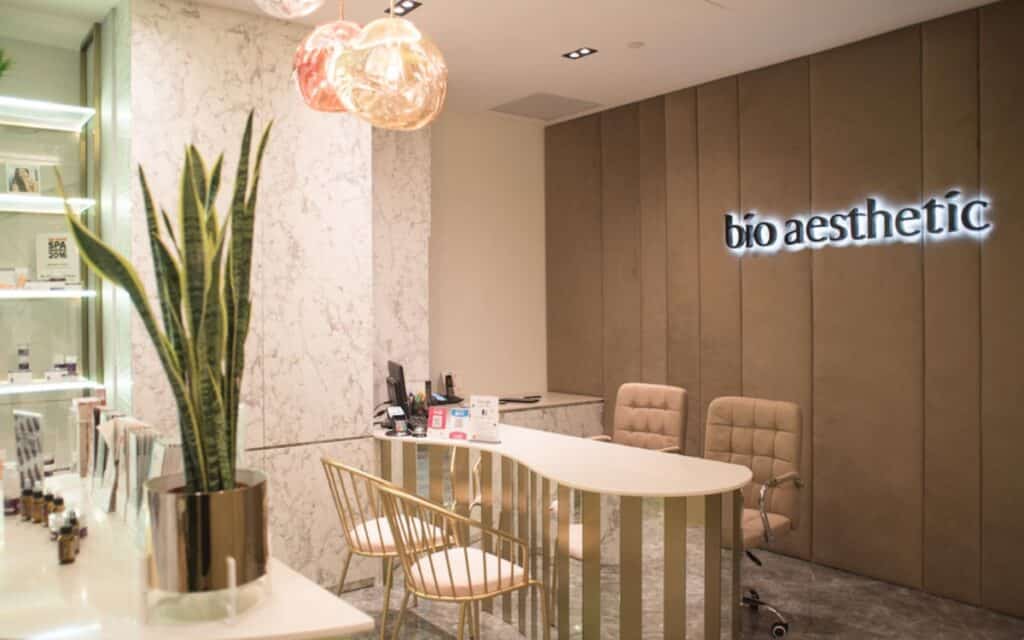
Tampines Clinic
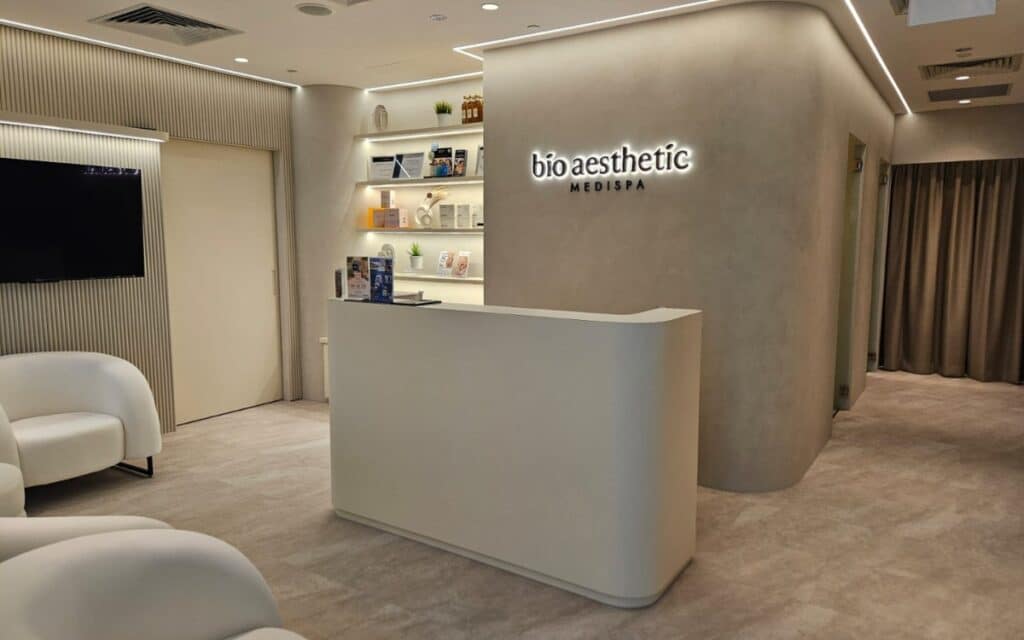
Income @ Tampines Junction, 300 Tampines Avenue 5 #04-05, Singapore 529653
Consult our Doctors for Chemical Peel

Dr Daniel Khaw

Dr Justin Goh

Dr Vijay Sampath
Make an Appointment
Call Us Today! +65 6333 4566 • hello@bioaesthetic.com.sg
This site is protected by reCAPTCHA and the Google Privacy Policy and Terms of Service apply.
Disclaimer: The information on this page is provided for general educational and informational purposes only and should not be relied on as medical, diagnostic, or treatment advice. Content may not be exhaustive, may not apply to every individual, and should not replace a consultation with a qualified doctor. While reasonable care is taken in preparing this content, Bio Aesthetic Laser Clinic and its related parties do not accept liability for any loss, damage, or consequences arising from reliance on the information presented on this page. Suitability for any treatment should always be assessed during a proper medical consultation.