
Diastasis Recti Treatment
Non surgical electro-magnetic stimulator
Prices starts from $280


What Is Diastasis Recti?
Diastasis recti abdominis (DRA) is a separation between the right and left abdominal muscles along the midline of the abdomen. This can create a visible “pooch” or ridge down the centre of the belly.
It commonly develops during pregnancy as the abdominal wall stretches. While it may improve after childbirth for some patients, the gap can persist in others and continue to affect core support.
Diastasis recti may be associated with:
- Visible abdominal bulging or a “pooch” appearance
- Reduced core support
- Postpartum abdominal weakness
- Selected posture or lower-back discomfort concerns
At Bio Aesthetic Laser Clinic Singapore, non-surgical diastasis recti treatment is commonly discussed for patients who want abdominal muscle rehabilitation and core support without surgery.
Diastasis Recti Treatment at a Glance
Treatment Focus
Diastasis recti, abdominal gap support, core strengthening, and postpartum abdominal muscle rehabilitation.
Downtime
Usually no significant downtime after treatment.
Session Planning
Often planned as a series, commonly multiple sessions per week depending on the treatment plan.
Doctor Review
Suitability depends on the abdominal gap, postpartum stage, symptoms, and whether surgery or conservative management is more appropriate.
Diastasis Recti Symptoms
Diastasis recti is commonly noticed as a bulge or ridge running down the middle of the abdomen, especially when the core is engaged. Some patients also describe a feeling of abdominal weakness or reduced core support.
Possible symptoms may include:
- visible bulging in the abdomen
- a ridge along the midline of the belly
- reduced core strength
- postural changes or lower-back discomfort
- selected pelvic floor or incontinence-related concerns
A simple self-check may help identify a possible abdominal gap. While lying on your back with your knees bent, place your fingers near the navel and gently raise your head slightly to feel whether a gap is present between the abdominal muscles.
A proper assessment is still important, as not every abdominal bulge is caused by diastasis recti and symptom severity can vary from patient to patient.
Common Causes of Diastasis Recti
- Multiple pregnancy or a larger abdominal stretch, such as twins or increased amniotic fluid
- Multiple childbirths
- Pregnancy at an older maternal age
- Weak abdominal support before pregnancy
- Increased abdominal strain during pregnancy
- Higher body weight or obesity
Diastasis Recti Treatment Options
- Surgery for selected more severe cases
- Core exercise and rehabilitation as part of conservative management
- Non-surgical magnetic stimulator treatment for selected patients seeking a non-surgical option
Am I suitable for Diastasis Recti treatment?

Weakened Core Support
Often considered for patients with reduced abdominal support, weaker core control, and less body stability.
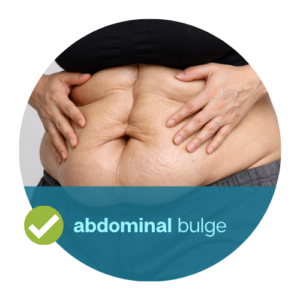
Abdominal Bulging
Suitable for patients with a visible abdominal gap or “pooch” appearance that does not improve easily with routine exercise.
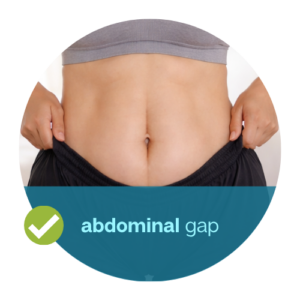
Postpartum Abdominal Gap
Commonly discussed for patients with diastasis recti following pregnancy or multiple pregnancies.
Get a customised treatment plan with Bio Aesthetic Laser Clinic.
How is Diastasis Recti Treated?
Diastasis Recti Treatment Details
| Treatment Time | 30 minutes per session |
| Muscle Contractions | Up to 50,000 per session |
| Recommended Frequency | Often 3 sessions per week |
| Downtime | Usually none |
| Price | From S$280 per area |
Treatment is usually planned as a series, depending on the abdominal gap, muscle condition, and overall treatment goals.
Non-Surgical Diastasis Recti Treatment
For selected patients with diastasis recti, magnetic muscle stimulation is commonly used to support abdominal strengthening and conditioning as part of a non-surgical treatment plan. It is often discussed by patients who want core support without surgery or significant downtime.
Treatment may be considered to support:
- core support and abdominal muscle engagement
- selected postpartum abdominal concerns
- selected pelvic floor support concerns
This is a non-invasive treatment with no surgical downtime. Suitability still depends on the severity of the abdominal separation, symptoms, and doctor assessment.
What Causes Diastasis Recti
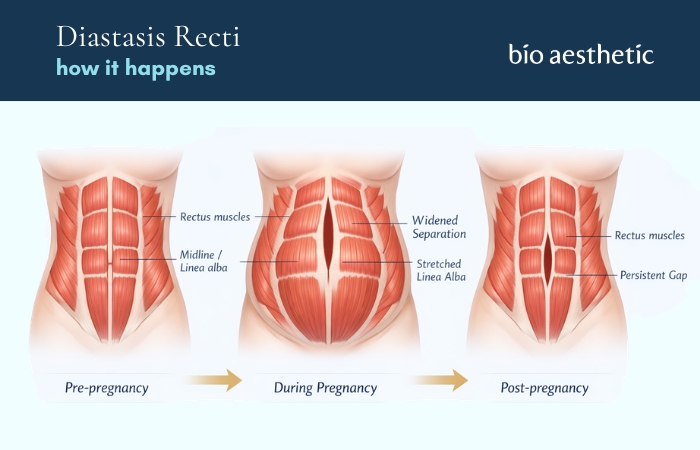
During pregnancy, the abdominal wall stretches as the uterus grows. In many patients, some abdominal muscle separation occurs and may gradually improve after childbirth.
Diastasis recti happens when the muscles remain separated for longer and do not come back together more fully over time. It is more commonly discussed after multiple pregnancies, larger babies, or greater abdominal stretching.
- commonly linked to pregnancy-related abdominal stretching
- may be more noticeable after multiple pregnancies
- can persist when connective tissue recovery is limited
- may be associated with abdominal bulging and weaker core support
Diastasis Recti Treatment Price Singapore
Diastasis Recti Transparent Pricing
We believe in transparent pricing so patients can better understand expected treatment costs and feel more at ease when planning their sessions.
| By Sessions | Price / Part |
|---|---|
| 1 Session | S$280 |
*Suggested frequency: 3 visits per week | 1 treated area per visit | 30 minutes per visit | Example plan: 12 sessions over 1 month
Diastasis recti treatment pricing in Singapore may start from S$280 per area per session, depending on the treatment focus and the area being addressed. A consultation is still important to determine suitability, expected sessions, and the most appropriate treatment plan.
CONSULT OUR DOCTOR FOR A BESPOKE SOLUTION
ASK ABOUT DIASTASIS RECTI TREATMENTDiastasis Recti Treatment Comparison
Diastasis recti may be managed with non-surgical muscle stimulation, surgery, or exercise-based rehabilitation. The most suitable option depends on the abdominal gap, symptoms, recovery preferences, and treatment goals.
At a Glance
- Muscle magnetic stimulator — non-surgical option for selected mild to moderate cases
- Surgery — may be considered for more severe or persistent abdominal separation
- Abdominal exercise / physiotherapy — conservative option requiring consistency over time
| Comparison Point | Muscle Magnetic Stimulator | Surgery | Abdominal Exercise / Physiotherapy |
|---|---|---|---|
| Approach | Non-surgical muscle stimulation | Surgical repair | Conservative rehabilitation |
| Suitability | Selected mild to moderate cases | Selected more severe or persistent cases | Patients able to commit to regular guided exercise |
| Downtime | Usually none | Longer recovery period | Usually none |
| Commitment | Often planned as a series of sessions | Usually one procedure with recovery | Requires ongoing consistency |
| Price Guide | From S$280 per area per session | Generally higher-cost than non-surgical treatment | Varies by programme or supervision |
Diastasis Recti Recovery and Treatment Options
Non-surgical magnetic muscle stimulation is commonly considered for selected patients with diastasis recti who want abdominal muscle conditioning and support without surgery. Treatment is often planned as a series, with usually no significant downtime after each session.
Tummy Tuck or Abdominoplasty Surgery
Surgery may be more appropriate for selected patients with more severe or persistent abdominal separation. While it may provide structural repair in suitable cases, it is also associated with a more invasive procedure, possible scarring, and a longer recovery period.
Diastasis Recti Exercises
Core-focused exercise and rehabilitation may help support muscle function and abdominal control. In selected cases, regular exercise may be used on its own or as part of a broader non-surgical treatment approach.
Physiotherapy may also be considered, especially when patients need guided abdominal rehabilitation, pelvic floor support, posture advice, or a more structured recovery plan after pregnancy.
Diastasis Recti Treatment Side Effects
Magnetic muscle toning is generally associated with no significant downtime, but some patients may notice temporary muscle fatigue or mild soreness after treatment, similar to the feeling after an intense workout.
- temporary muscle soreness or fatigue
- mild abdominal tightness after treatment
- transient muscle sensitivity in the treated area
- temporary discomfort during stronger contractions in selected patients
Diastasis Recti Treatment Aftercare Guide
After treatment, most patients can return to normal activities on the same day. It is usually advisable to stay hydrated and allow the muscles to recover as needed.
- drink enough water after treatment
- resume normal activity as tolerated
- avoid overstraining the treated muscles if soreness occurs
- follow the recommended treatment schedule for best continuity
Will Diastasis Recti Heal on Its Own?
In some patients, diastasis recti may improve gradually after childbirth, especially in the earlier postpartum period. For others, the abdominal gap may persist, particularly when the separation is wider or core support remains weak.
Recovery can vary depending on:
- the width of the abdominal separation
- the time since childbirth
- core muscle condition before and after pregnancy
- whether structured rehabilitation or treatment is started
A proper assessment is useful because some patients may benefit from a more structured non-surgical treatment plan.
Who May Consider Diastasis Recti treatments?
Who Is It For?
- Postpartum patients with an abdominal gap
- Patients who want better core support
- Patients bothered by a persistent “mummy pouch” appearance
What Kind of Results Can I Expect?
There is usually no downtime after magnetic muscle toning, and most patients can return to normal activity on the same day.
Over a series of sessions, selected patients may notice stronger muscle engagement and visible abdominal support.
Can I Use Medisave for Diastasis Recti Treatment?
Diastasis recti treatment is generally not payable through Medisave.
If you are exploring surgical options, it is best to check directly with the treating surgeon or clinic.
FAQs about Diastasis Recti
Exercise-based rehabilitation may be worth considering when the gap is milder, when the patient wants a conservative approach, and when the goal is to improve deep core control and support over time. Physiotherapy guidance commonly point toward guided core and pelvic floor rehabilitation, especially earlier on, rather than jumping straight to surgery.
Surgery is usually considered when the separation is more severe, persistent, or when symptoms and functional concerns remain despite conservative management. Surgery can be considered in certain cases, including when patients are pursuing abdominal-wall repair or related surgery such as abdominoplasty.
Yes, that can be a reasonable approach in selected patients. Exercise-based rehabilitation and structured non-surgical treatment may both sit within a broader management plan, depending on symptoms, muscle function, and treatment goals.
A doctor review is useful when the gap persists, when there is clear abdominal bulging, weaker core support, back discomfort, or when exercise alone is not helping enough. Assessment is also useful because not every persistent bulge is diastasis recti.
Not always. Surgery may be more appropriate for some more severe or persistent cases, but treatment choice depends on symptoms, abdominal support, recovery preferences, and doctor assessment rather than gap width alone. Clinical references describe both conservative and surgical options depending on presentation.
Exercise-based rehabilitation may help selected patients improve muscle control and abdominal support, especially when the programme focuses on deep core work rather than the wrong exercises. Postpartum guidance includes gentle stomach and pelvic floor exercises, while specialist physiotherapy leaflets recommend deep core strengthening and avoiding exercises that cause doming or bulging.
A bulge or ridge along the midline of the abdomen, especially when the core is engaged, can be a clue. Some patient leaflets also describe “doming” or bulging during movements like sitting up, but a doctor or physiotherapy assessment is still the better way to confirm the cause.
No. Diastasis recti refers to separation of the abdominal muscles, while belly fat and loose skin are different concerns. A proper assessment matters because not every abdominal bulge is caused by diastasis recti.
Patients may be less suitable if the separation is more severe, symptoms are more advanced, or the doctor thinks surgery may be more appropriate. Suitability depends on the abdominal gap, symptoms, goals, and whether conservative treatment is likely to be enough. Also patients with the following are not suitable:
- Pacemaker
- Pregnancy
- Metallic implants / IUD
- BMI > 27
- Active cancer patients
It may help selected patients with reduced core support and related discomfort. Diastasis recti is associated with weakness in the abdominal wall. The damage to the linea alba and core support can contribute to instability and back discomfort.
Yes. Some smaller separations may improve in the early postpartum period, but larger or more persistent cases can remain for months or longer and may still be assessed later. NHS hospital guidance also notes that larger gaps may take longer and can need specialist input.
Non-surgical diastasis recti treatment is often planned as a series rather than a single session. The exact number still depends on the abdominal separation, muscle condition, and the overall treatment plan discussed during the consultation. Usually we would recommend a 10 session for a start for visible results.
There is no single best treatment for every patient. The most suitable option depends on the width of the abdominal gap, symptoms, postpartum stage, and whether the patient is more suitable for exercise-based rehabilitation, non-surgical treatment, or surgery. This is consistent with clinical reviews describing management as ranging from conservative treatment to surgery depending on severity and goals.
Yes, selected mild to moderate cases may be managed without surgery. Conservative options such as targeted core rehabilitation and physical therapy are commonly recommended before surgery, and major centres like Cleveland Clinic note that non-surgical management is often tried first.
The anterior abdominal muscle or rectus abdominis is a long vertical muscle that runs down from the body’s midline and is part of the heart muscle. It serves as a stabiliser which keeps our inner organs such as the kidneys, intestines, pelvis, and uterus in place. It also interacts with our lower back to transfer our weight equally when we walk. Our core muscles provide us with balance and stability, as well as the ability to run.
For patients suffering from Diastasis Recti, the weak abdominal walls can jeopardize trunk stability and mobility, impair posture, and lead to persistent and extreme back pain if they are not dynamically stabilized. Spinal weakness, pelvic floor disorder, urinary incontinence, bowel problems, potential hernia(s), and even vaginal childbirth may all result. The most frequent symptoms of rectus diastasis are back and pelvic pain.
Diastasis Recti, commonly known as abdominal gap or abdominal seperation occurs when the abdominal muscle wall protrudes due to a widening of the gap between the left and right stomach muscles, resulting in a bulge or pooch. Despite the fact that it can affect anybody of any age, even men, Diastasis Recti is most frequent in women who have given birth, are overweight, or have genetic disorders.
Diastasis Recti Treatment Near You

Tampines Clinic

Income @ Tampines Junction, 300 Tampines Avenue 5 #04-05, Singapore 529653
Consult our Doctors for Diastasis Recti Treatment

Dr Daniel Khaw

Dr Justin Goh

Dr Vijay Sampath
Make an Appointment
Call Us Today! +65 6333 4566 • hello@bioaesthetic.com.sg
This site is protected by reCAPTCHA and the Google Privacy Policy and Terms of Service apply.
Disclaimer: The information on this page is provided for general educational and informational purposes only and should not be relied on as medical, diagnostic, or treatment advice. Content may not be exhaustive, may not apply to every individual, and should not replace a consultation with a qualified doctor. While reasonable care is taken in preparing this content, Bio Aesthetic Laser Clinic and its related parties do not accept liability for any loss, damage, or consequences arising from reliance on the information presented on this page. Suitability for any treatment should always be assessed during a proper medical consultation.