
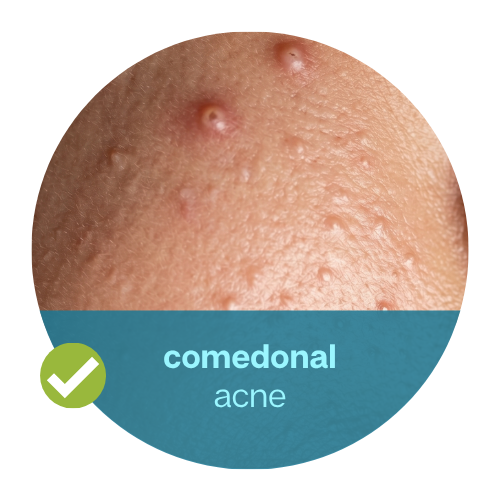
Comedonal Acne
Blackheads and whiteheads caused by blocked pores, often with little visible inflammation.
Acne can appear as clogged pores, inflamed pimples, recurring jawline breakouts or deeper nodules and cysts.
Treatment planning starts with the acne pattern, severity, scarring risk and skin tolerance before deciding whether skincare, medication or selected clinic procedures may be appropriate.
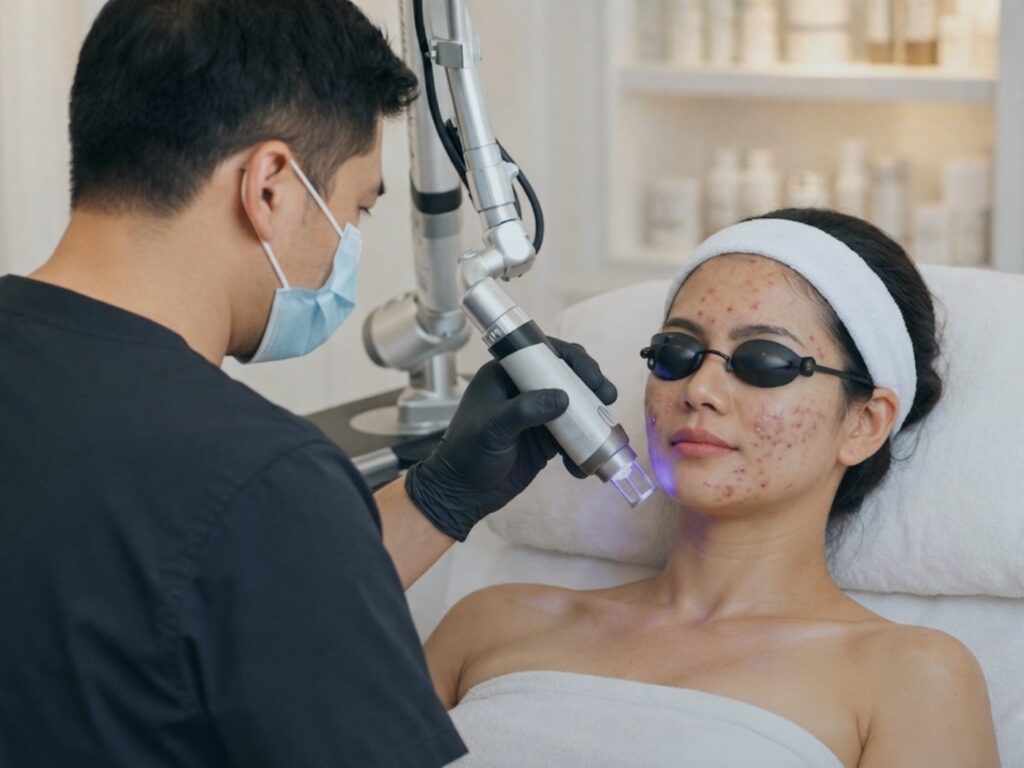
Acne does not always need a procedure. I first look at whether the acne is mainly comedonal, inflammatory, hormonal-pattern or deeper nodulocystic acne, together with how widespread and recurrent the breakouts are. Ongoing inflammation and early scarring can make earlier medical treatment more important. For some patients, topical treatment may be sufficient, while others may need oral medication or a combination approach. Selected clinic procedures can be useful as supportive treatments, but they should not replace appropriate medical acne management when the acne is more active or severe.
Clinical perspective reviewed by Dr Daniel Khaw
Acne can appear in different patterns. Identifying the dominant type helps guide treatment and assess the risk of persistent marks or scarring.
Blackheads and whiteheads caused by blocked pores, often with little visible inflammation.
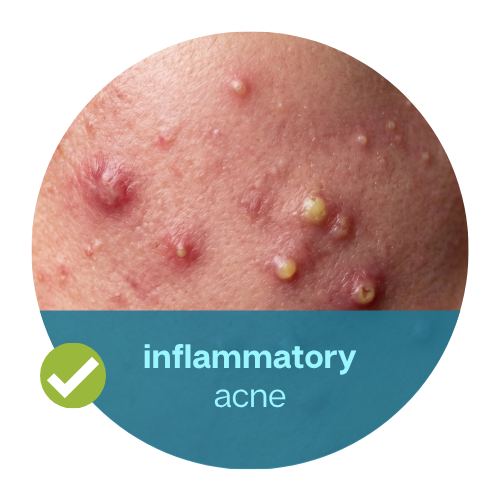
Red, tender papules and pustules caused by inflammation around blocked pores.
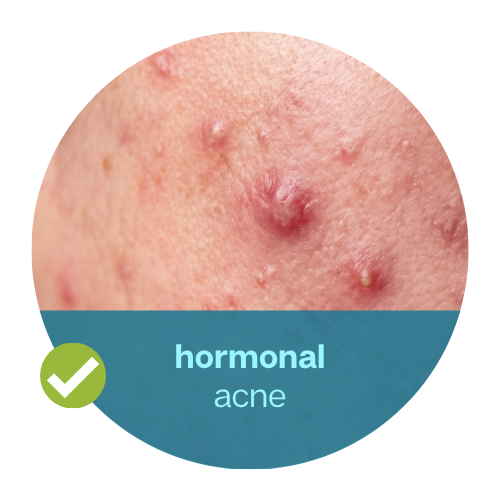
Recurring breakouts that often affect the jawline and lower face and may follow a cyclical pattern.
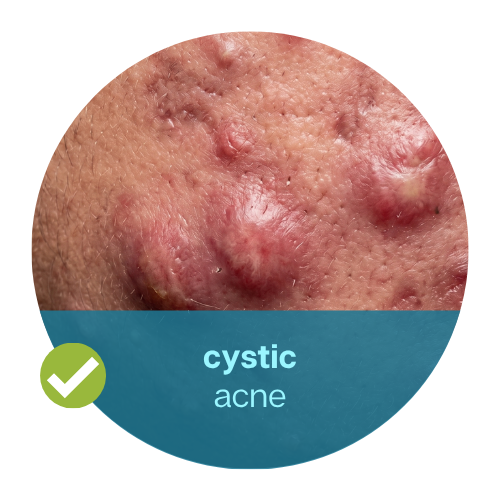
Deeper, painful nodules or cyst-like lesions with a higher risk of persistent marks and scarring.
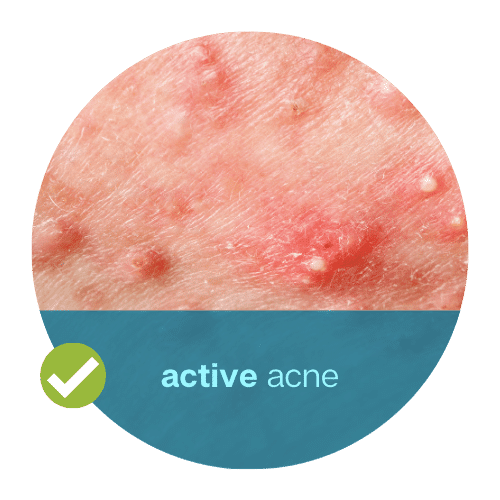
Blackheads, whiteheads, papules, pustules or deeper inflamed lesions that are still actively forming.
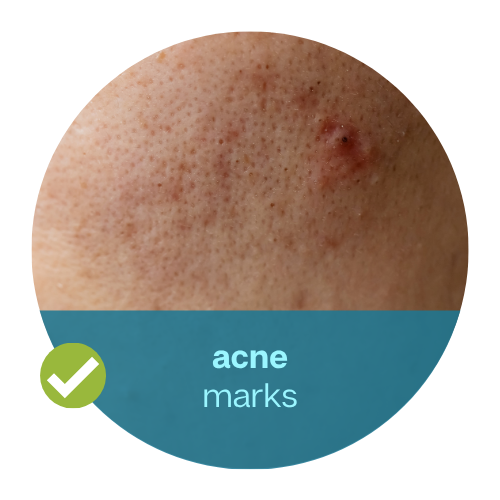
Red or brown marks and structural scars that remain after the active breakout has settled.
A doctor assessment considers the concern pattern, current skin condition and factors that may change the treatment plan.
Treatment direction can vary according to the acne pattern, severity and risk of scarring.
Each card shows the defining feature and the usual treatment direction at a glance.
These are some of the treatment paths commonly discussed for acne. The most suitable plan depends on whether the main issue is congestion, oiliness, inflamed breakouts, deeper acne, or body acne.
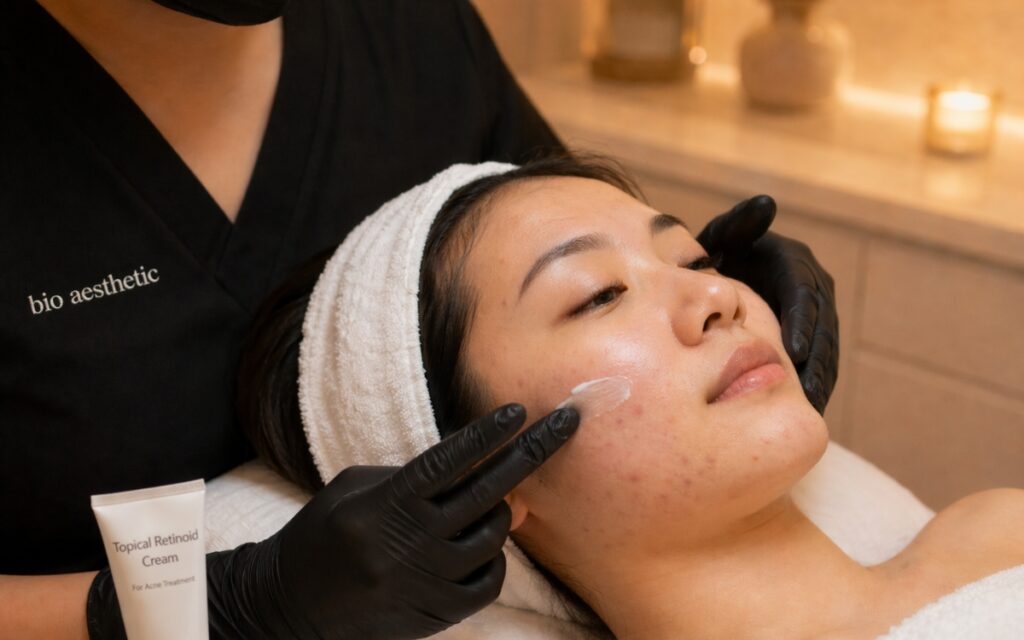
Doctor-prescribed topical treatment may be used to reduce clogged pores and inflammation and help control recurring breakouts.
Discuss during consultation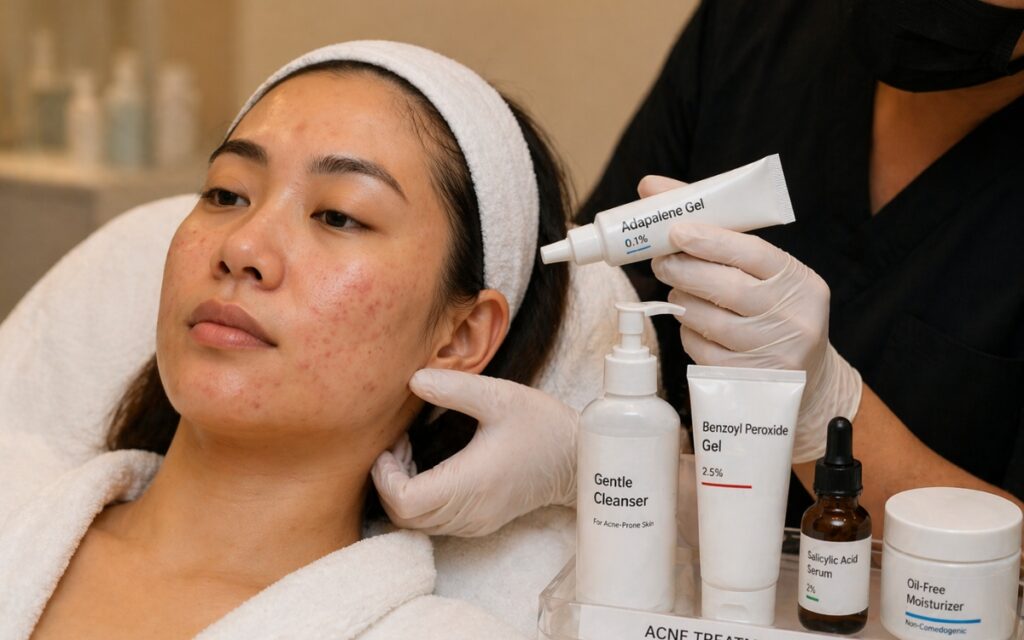
Oral medication may be considered when acne is more widespread, inflammatory, recurrent or not responding adequately to topical treatment.
View treatment page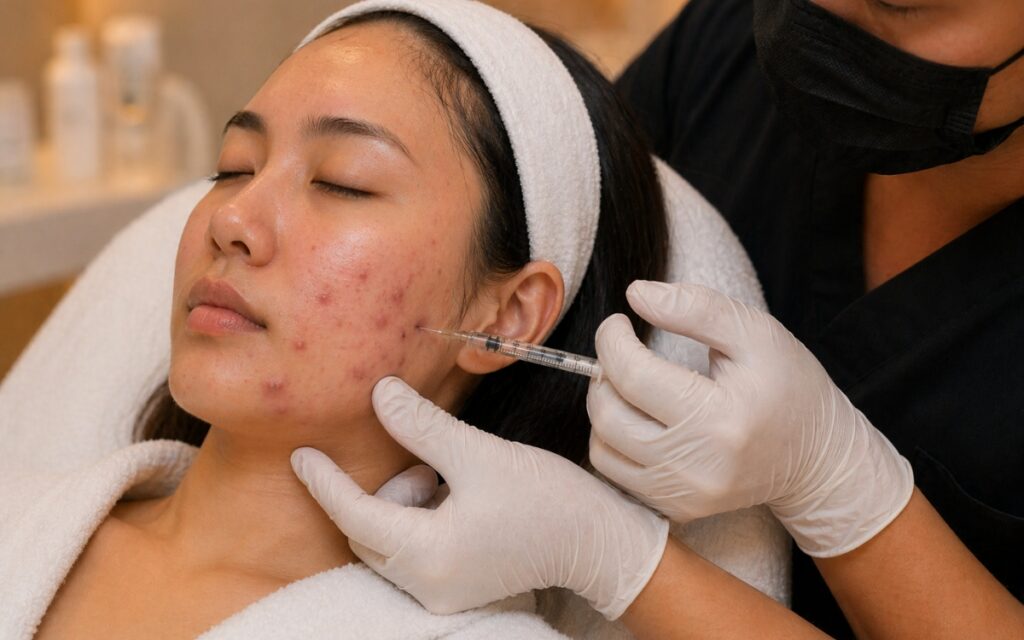
A doctor may consider an injection for a selected large, painful inflamed acne lesion when faster reduction of inflammation is needed.
Discuss during consultation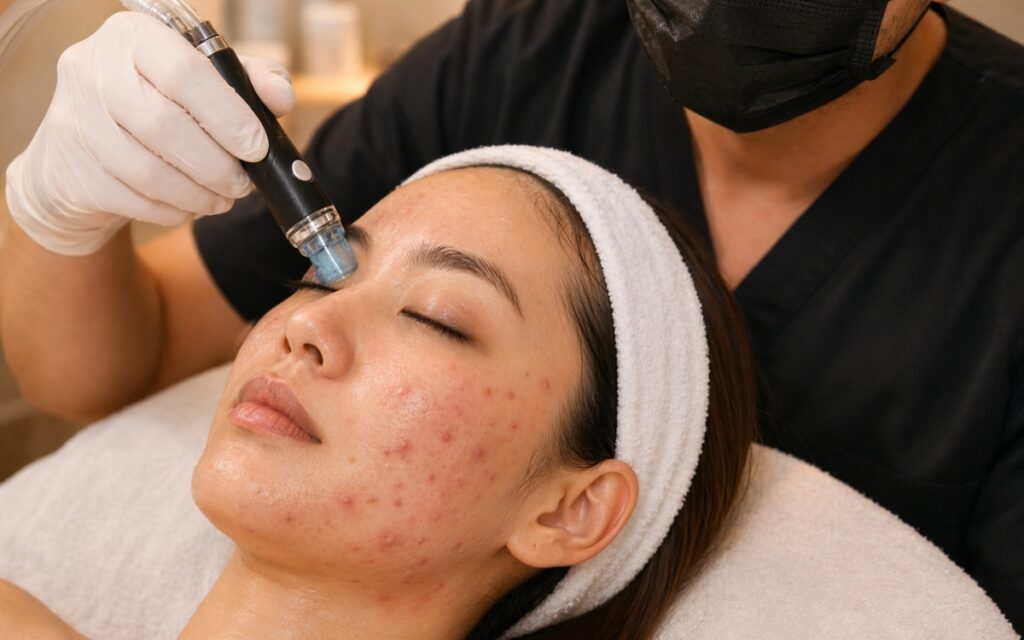
Hydrafacial may be used as supportive care for acne-prone skin when congestion, excess oil and surface buildup are part of the concern.
Discuss during consultation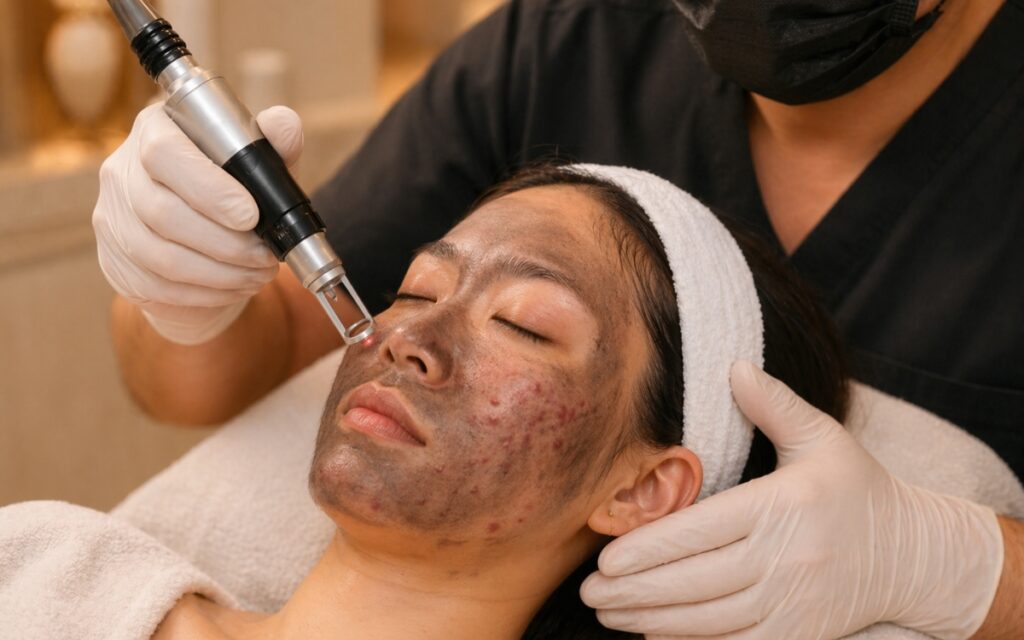
Carbon Laser Peel may be considered as an adjunct when oiliness, clogged pores and surface congestion are prominent.
View treatment page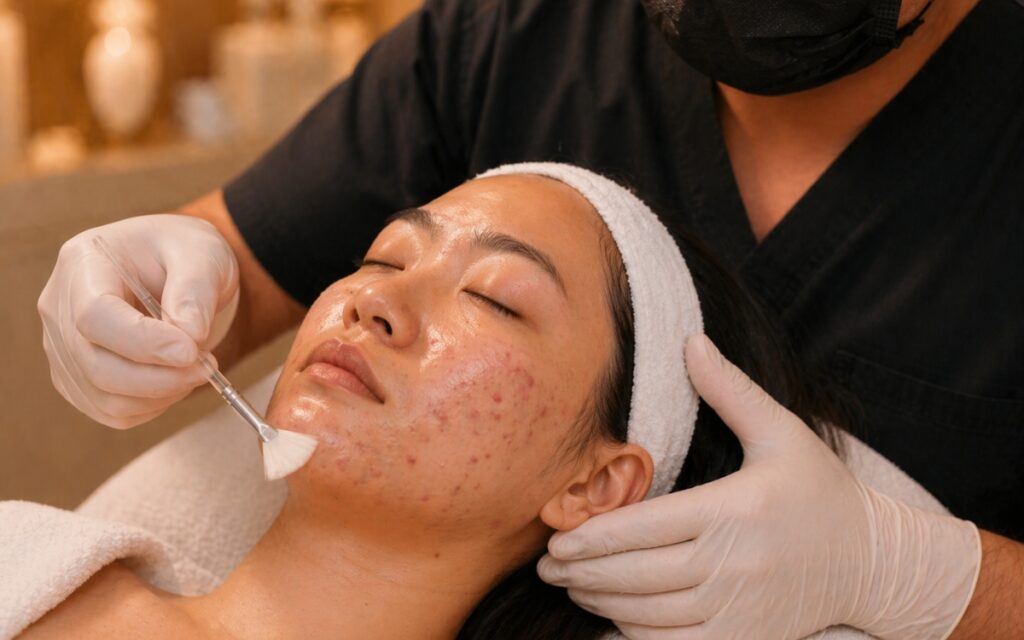
Chemical peels may be considered for clogged pores, surface congestion and selected acne-prone skin, with the peel chosen according to the skin condition.
View treatment page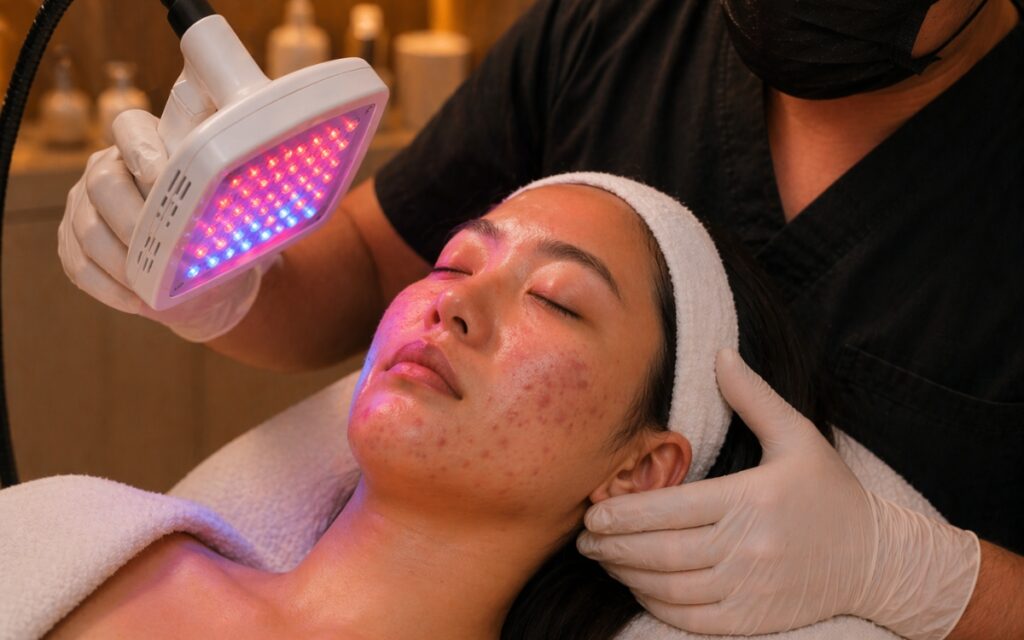
LED Light Therapy may be used as a low-downtime adjunct when calming inflamed acne is part of the treatment plan.
Discuss during consultation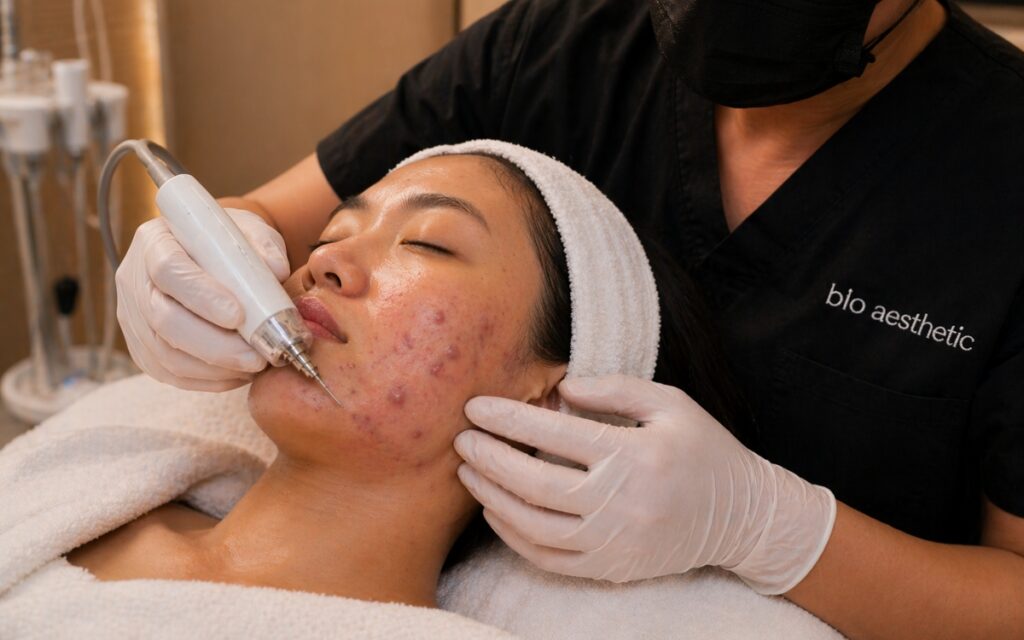
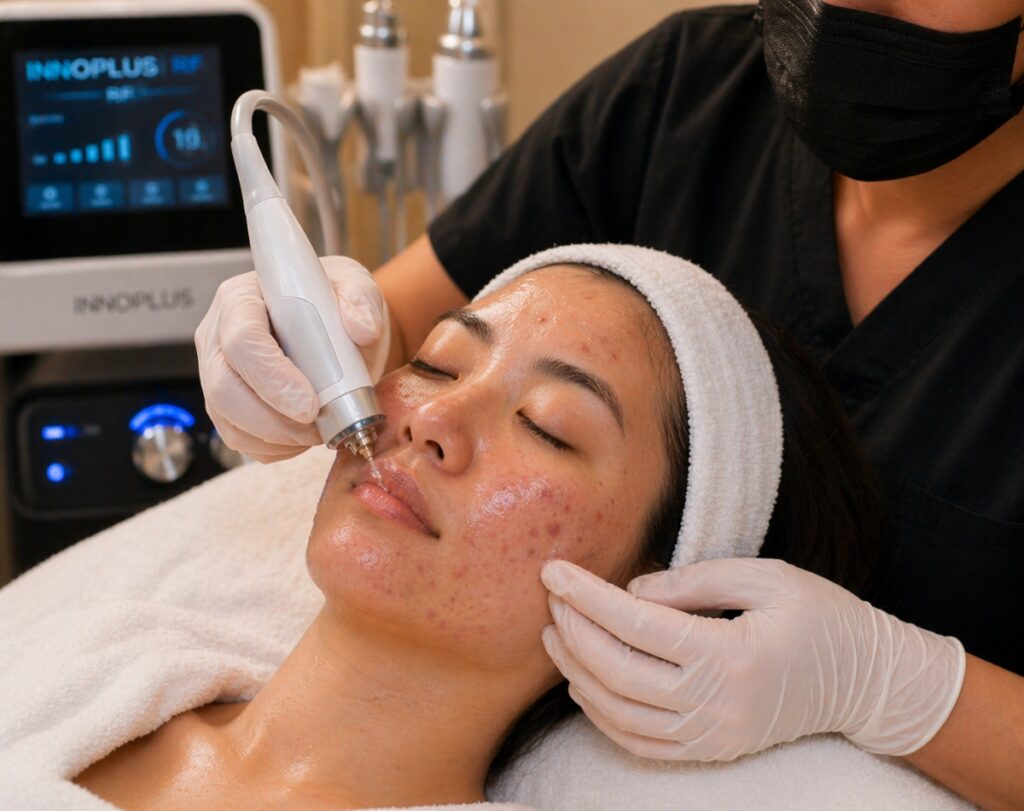
Innoplus RF may be discussed for selected deeper or recurrent acne lesions after the doctor has assessed the acne pattern and skin condition.
Discuss during consultation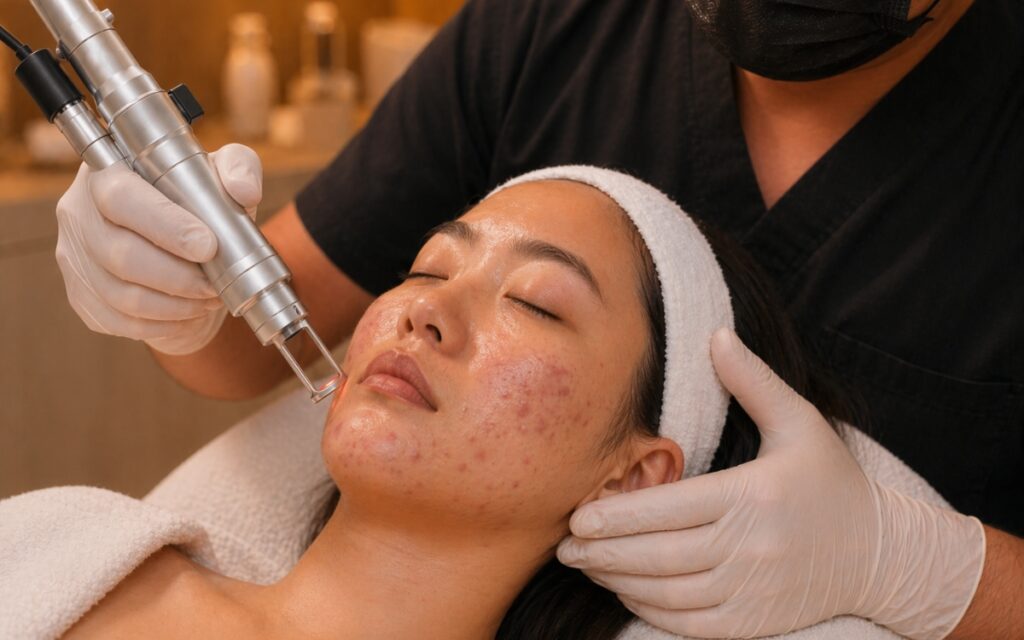
Q-Switch Laser may be considered when acne treatment also involves oiliness or persistent post-acne pigmentation rather than as the main treatment for active inflammatory acne.
View treatment pageStarting prices and typical visible downtime are shown together for easier comparison.
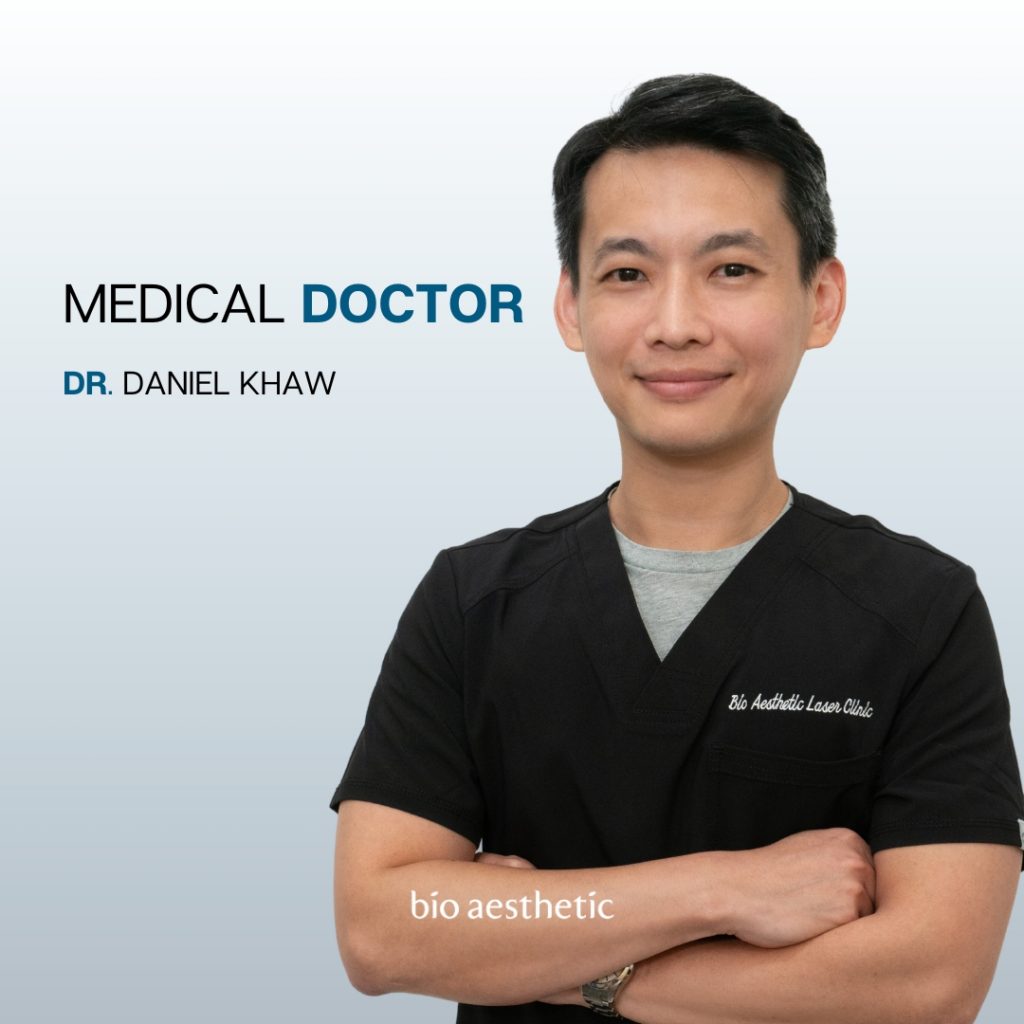
Aesthetic Doctor
M.B.B.S (Australia), MRC PSYCH (U.K.), Bachelor of Biomedical Science, Certificate in Aesthetic Medicine (American Academy of Aesthetic Medicine)
Dr Daniel assesses the acne pattern, severity, recurrence and scarring risk before deciding whether topical treatment, oral medication or selected clinic procedures may be appropriate.

Dr Vijay Sampath is an aesthetic doctor in Singapore with medical and surgical training and experience in doctor-led aesthetic consultation and treatment planning.
View doctor profile →
Dr Justin Goh is an aesthetic doctor in Singapore providing personalised consultations and doctor-led treatment planning for skin and facial concerns.
View doctor profile →
Acne treatment should match the type and severity of the breakout rather than rely on one standard procedure. At Bio Aesthetic Laser Clinic, the treatment plan may include medical acne treatment together with selected clinic procedures where appropriate.
Key information stays concise, with fuller medical detail available on demand.

Acne improvement is usually gradual. Some patients may notice fewer new breakouts within the first few weeks, but treatment often needs time to reduce inflammation, prevent new lesions and improve overall acne control.
How quickly acne improves depends on the acne pattern, severity and treatment used. Topical and oral treatments generally need consistent use before their full effect can be assessed. Deeper or recurrent acne may require a longer treatment period or adjustments to the treatment plan. Even after active acne improves, red or brown marks may take longer to fade, while structural acne scars may need separate treatment.
Side effects depend on the treatment used. These may include temporary dryness, irritation, redness, peeling or sensitivity, while prescription medication can have additional precautions that should be discussed during the consultation.
The safety considerations for acne treatment vary considerably between topical treatment, oral medication and clinic procedures. Skin sensitivity, other medications, pregnancy considerations, previous reactions and the severity of the acne can all affect treatment choice. Oral antibiotics should also be used appropriately and for limited periods because of antimicrobial resistance, while stronger prescription treatments may require additional counselling or monitoring.
Doctor-led consultations are available at both Bio Aesthetic Laser Clinic locations.


Direct answers first, with additional clinical detail available where useful.
Acne treatment usually needs several weeks before the response can be judged properly. Some topical treatments may start showing improvement within four to seven weeks, while more persistent or severe acne can take longer.
The timeline depends on the acne pattern, severity and treatment used. It is common for treatment to be adjusted if the response is not adequate after an appropriate trial. Consistency also matters because stopping treatment too early can make it difficult to tell whether it is working.
Sometimes. Certain acne treatments can cause temporary irritation or an initial increase in breakouts before improvement becomes clearer.
This can happen with topical retinoids and may also occur during the first few weeks of isotretinoin treatment. A mild temporary flare is different from severe worsening, significant irritation or a reaction that needs the treatment plan reviewed.
Usually, yes. Controlling ongoing breakouts helps reduce the chance of new scars forming while existing marks or scars are being assessed.
Acne scar procedures address changes left behind by previous acne, but they do not necessarily control new inflammatory breakouts. If acne is still active, the treatment plan may prioritise acne control first or manage both concerns in a staged way.
Not everyone with acne needs oral medication. Mild or more localised acne may respond to topical treatment, while oral treatment may be considered for more inflammatory, widespread, recurrent or severe acne.
The decision depends on the number and type of lesions, affected areas, scarring risk and previous treatment response. Oral antibiotics should not simply be used indefinitely, and stronger medication such as isotretinoin is generally reserved for appropriate cases after assessment.
Isotretinoin may be considered for severe acne or acne that has not responded adequately to other treatment. It is not usually the first treatment for every patient with acne.
The doctor will consider acne severity, scarring risk, previous treatment and medical factors before prescribing it. Monitoring and counselling are important because isotretinoin has specific precautions and potential side effects.
Some acne treatments are not suitable during pregnancy or when planning pregnancy, so the treatment plan should be reviewed before starting or continuing prescription acne medication.
Topical retinoids and some oral antibiotics are avoided during pregnancy. Isotretinoin can cause serious harm to an unborn baby and must not be used during pregnancy. Tell the doctor if you are pregnant, breastfeeding or planning pregnancy before starting acne treatment.
Recurring jawline or lower-face acne can sometimes follow a hormonal pattern, particularly in adult women, although not every jawline breakout is caused by a hormonal disorder.
The doctor may look at the timing of breakouts, menstrual pattern, other symptoms and previous treatment response. Conditions such as polycystic ovary syndrome can contribute to acne in some patients, but hormonal treatment is not necessary for everyone.
Sometimes. Active acne and post-acne marks can be managed together, but controlling new breakouts usually remains the priority.
Some treatments can support both acne control and pigmentation, while other procedures may be better delayed until inflammation has settled. Structural acne scars are a separate concern and may require a different treatment plan once active acne is reasonably controlled.
Acne antibiotics should be used appropriately and for a limited period because prolonged or unnecessary use contributes to antibiotic resistance.
Current acne guidelines recommend limiting systemic antibiotic use and combining antibiotics with other acne treatments such as benzoyl peroxide or topical therapy rather than relying on an antibiotic alone.
Consider seeing a doctor if acne is painful, persistent, leaving marks or scars, involves deeper nodules or cysts, or has not improved with appropriate over-the-counter treatment.
Earlier assessment can be useful when acne is widespread or worsening because deeper inflammatory acne carries a greater risk of scarring. You should also seek medical advice if the acne is affecting your confidence or wellbeing.
If you are not sure what type of acne you have, a consultation can help clarify the concern and the most suitable treatment direction. At Bio Aesthetic Laser Clinic, acne planning is doctor-led and tailored to your skin condition, goals, and downtime preferences.

Bio Aesthetic Laser Clinic is a doctor-led aesthetic clinic in Singapore with locations in Orchard and Tampines, offering personalised consultation and treatment planning for a range of face and skin concerns.
We are part of the Theresa Holdings group of healthcare brands.