
- Both mineral and chemical sunscreens can work for acne-prone skin in Singapore’s humidity.
- “No white cast” is easier with modern micronised mineral, tinted mineral, or hybrid formulas.
- Prioritise lightweight textures, non-comedogenic claims, and low-fragrance formulas.
- If acne persists despite a good routine, see a doctor-led acne management plan.
TL;DR: Sunscreen matters for acne-prone skin because UV worsens inflammation and darkens post-acne marks.
In Singapore’s climate, the best sunscreen is one you can wear daily: breathable, comfortable in humidity, and unlikely to clog pores.
Here’s how mineral vs chemical sunscreens compare — and how to get protection without a white cast.
Why sunscreen is essential for acne-prone skin in Singapore
UV exposure doesn’t directly “cause” acne, but it can make acne look worse by increasing redness and inflammation. It also darkens post-acne marks and uneven tone.
In Singapore’s intense UV and heat, daily sunscreen is one of the most practical steps for preventing lingering pigmentation while supporting overall skin comfort.
Mineral vs chemical sunscreen: what’s the difference?
Mineral (physical) sunscreens
Mineral sunscreens use UV filters like zinc oxide and titanium dioxide. They sit on the skin’s surface and reflect/scatter UV rays.
Why acne-prone users like them: they are often well tolerated by sensitive or reactive skin, and many provide broad-spectrum UVA/UVB protection.
What to watch: older formulas can leave a white cast or feel heavy. Modern micronised or tinted mineral SPFs can reduce this significantly.
Chemical sunscreens
Chemical sunscreens use organic filters that absorb UV rays and convert them to heat. These formulas are often more cosmetically elegant and less likely to leave visible residue.
Why acne-prone users like them: lightweight textures, strong under-makeup performance, and a more “invisible” finish in humidity.
What to watch: very sensitive skin may react to certain filters, especially if the barrier is compromised.
Comparison table: mineral vs chemical for acne-prone skin
| Feature | Mineral sunscreen | Chemical sunscreen |
|---|---|---|
| How it protects | Reflects/scatters UV | Absorbs UV and converts to heat |
| White cast risk | Higher (but improved with micronised/tinted) | Low |
| Feel in Singapore humidity | Good if lightweight formula | Often very good |
| Under makeup | Medium (depends on texture) | Excellent (often more “invisible”) |
| Suitable for sensitive skin | Often yes | Depends on filter tolerance |
| Activation time | Immediate | Usually ~15–20 minutes |
No white cast: what to look for
“White cast” is mainly associated with older mineral formulas and higher zinc levels in thick textures. To reduce or avoid it, look for:
- Micronised/transparent zinc oxide (sheerer finish)
- Tinted mineral SPF (often blends better across skin tones)
- Hybrid formulas (mix of mineral + chemical filters for comfort)
- Fluid or gel-cream textures designed for face use
Acne-friendly sunscreen features to prioritise
In Singapore’s climate, the “best” sunscreen is one that stays comfortable despite heat and sweat. Consider:
- Non-comedogenic and oil-free positioning (helps reduce congestion risk)
- Lightweight textures (fluid, gel-cream, watery essence)
- Low fragrance / fragrance-free (less irritation risk)
- Broad-spectrum UVA + UVB coverage
- Finish that matches your lifestyle (matte for very oily skin; natural finish for dehydrated-oily skin)
“Does sunscreen cause acne?” (a practical answer)
Sunscreen doesn’t inherently cause acne. However, heavy or occlusive formulas can trap sweat and oil in humid weather, which may increase congestion in acne-prone skin.
Choosing breathable textures, avoiding heavy layering, and cleansing properly at night helps reduce this risk.
Application tips for Singapore humidity
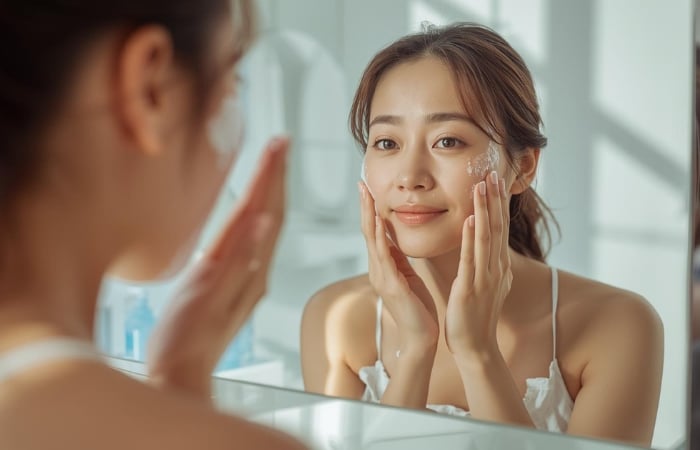
Most sunscreen “failures” are due to under-application or missed reapplication. For practical daily use:
- Use a consistent amount (many people use the “two-finger” guide for face/neck).
- Apply sunscreen as the last skincare step before makeup.
- Reapply every 2–3 hours if outdoors, and after heavy sweating.
- If you’re oily midday, blot first, then reapply a lightweight sunscreen layer.
Hybrid sunscreens: the middle ground
Many modern sunscreens blend mineral and chemical filters. This can help reduce white cast while keeping formulas comfortable in humidity.
If you struggle with purely mineral heaviness or chemical sensitivity, hybrids may be worth exploring (with patch testing if reactive).
When sunscreen isn’t enough
Sunscreen supports skin health and helps prevent post-acne marks, but persistent inflamed acne may need structured management.
If breakouts remain frequent, painful, or scarring, consider a doctor-led review:
Last reviewed by Dr. Vijay Sampath, M.B.B.S, M.S (Gen Surg), DNB (Gen Surg), MRCS (Edinburgh) — January 2026
FAQs: Sunscreen for acne-prone skin in Singapore
Can sunscreen make acne worse?
It can if the formula is heavy or occlusive in humidity. Choosing lightweight, non-comedogenic textures and cleansing properly at night helps reduce congestion.
Which sunscreen type is better for oily, acne-prone skin: mineral or chemical?
Both can work. Chemical sunscreens are often lighter and more invisible, while mineral sunscreens may suit sensitive skin. The best choice is the one you can wear daily without irritation.
How do I avoid white cast with mineral sunscreen?
Look for micronised/transparent zinc oxide, tinted mineral formulas, or lightweight mineral fluids designed for facial use.
What’s the minimum SPF I should use daily in Singapore?
Many people choose SPF 30 or higher for daily wear. If you’re outdoors often, higher SPF and consistent reapplication matter more than “one perfect number.”
Do mineral and chemical sunscreens need different reapplication timing?
No. Reapplication depends mainly on sun exposure, sweating, and time outdoors — not just sunscreen type.
Is sunscreen still needed on cloudy days in Singapore?
Yes. UV can still penetrate clouds, and Singapore’s UV levels remain significant year-round.
Can tinted sunscreen help hide post-acne marks?
Yes, tinted formulas can help even out appearance, but choose lightweight options and remove them thoroughly at night.
Does sweat reduce sunscreen effectiveness faster?
Yes. Heavy sweating can break down sunscreen films. If you sweat a lot, reapply after towelling off or cleansing.