
Polynucleotide (PN), PDRN, Rejuran and the surge of “PDRN skincare” products can be confusing — especially when each is described as skin-healing or regenerative.
This guide explains the real differences between PN, PDRN, Rejuran and cosmetic PN/PDRN skincare, including why injectables require in-clinic medical care, how other PN systems like Plinest fit in, and what consumers should realistically expect.
- PN (polynucleotides) and PDRN are DNA-based molecules used in injectable procedures for skin repair and regeneration.
- Rejuran is an example of a PN-based injectable system, mentioned here for educational comparison only.
- PDRN/PN skincare ≠ injectable PN/PDRN — the molecules are too large to penetrate into the dermis through topical application.
- Injectables work at the dermal level where fibroblasts and collagen exist; skincare acts on the surface for hydration and comfort.
- Different PN systems exist globally (e.g., Plinest), each with distinct formulation and concentration differences.
- A doctor consultation is required to determine suitability, technique and treatment strategy for PN/PDRN procedures.
What Are PN, PDRN and Polynucleotide Systems?

PN (Polynucleotides)
Polynucleotides (PN) are long DNA chains purified from controlled marine sources. In aesthetic medicine, PN in injectable form is valued for biostimulation — supporting improved elasticity, texture and skin quality.
PDRN (Polydeoxyribonucleotide)
PDRN consists of shorter DNA fragments. Historically studied for wound repair and regeneration, injectable PDRN is often used for healing support and soothing stressed skin.
Where Rejuran Fits In (Educational Only)
Rejuran is one example of a PN-based injectable system. It uses purified salmon-derived PN chains, processed under controlled laboratory conditions. It is commonly referenced in scientific discussions about polynucleotide therapy, but remains one of several PN formulations available.
Different versions (e.g., face-focused, eye-focused, or scar-focused formulations) vary in viscosity, concentration and intended use — highlighting why medical assessment is essential.
Other PN Systems (e.g., Plinest)
Rejuran is not the only PN platform. Other systems such as Plinest use their own purification and stabilisation methods. They differ in:
- DNA chain length and molecular structure
- PN concentration in each formulation
- Purification and stabilisation steps
- Clinical positioning and injection technique
PN vs PDRN vs Other PN Systems
PN, PDRN and polynucleotide systems share similarities but have distinct characteristics. The table below summarises the differences.
| Feature | PN | PDRN | Other PN Systems (e.g., Plinest) |
|---|---|---|---|
| Molecule Size | Longer DNA chains | Shorter DNA fragments | Varies by manufacturer |
| Main Action | Biostimulation, elasticity, texture | Healing support, calming | Regeneration; depends on product design |
| Form | Injectable | Injectable | Injectable |
| Uses | Skin quality, fine lines | Recovery support | Texture, elasticity, scars (varies) |
| Requires Doctor | Yes | Yes | Yes |
Learn more in our educational guides on Rejuran (polynucleotide skin healer) and PDRN injections.
PN/PDRN Injectables vs “PDRN Skincare”: What’s the Difference?
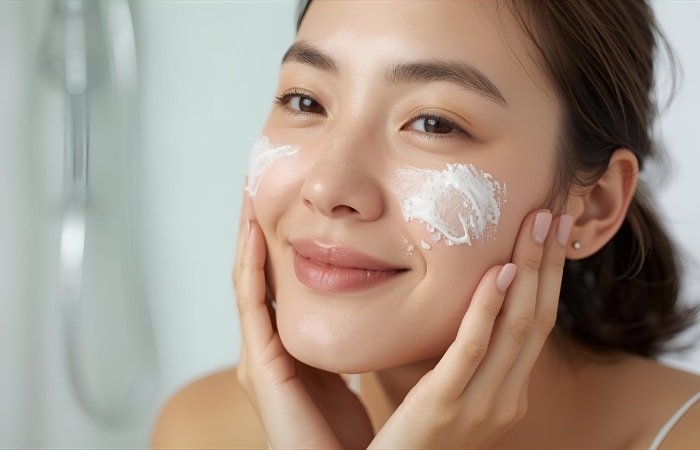
Why Injectables Work Differently
PN and PDRN molecules are extremely large (hundreds of thousands to millions of Daltons). The skin barrier only allows molecules under ~500 Daltons to pass. This means:
Injectables bypass the skin barrier by depositing PN/PDRN directly into the dermis — where fibroblasts and collagen-forming cells exist.
Limitations of PN/PDRN Skincare
Topical skincare containing PN or PDRN:
- Stays near the skin surface
- Cannot reach the dermis in meaningful amounts
- Provides hydration and temporary soothing, not regeneration
| Feature | PN/PDRN Injectables | PDRN/PN Skincare |
|---|---|---|
| Delivery | Dermis (via injection) | Surface (epidermis) |
| Penetration | Effective at target depth | Molecules too large to enter dermis |
| Mechanism | Biostimulation & skin repair support | Hydration & comfort only |
| Result Type | Texture & elasticity improvement (doctor-assessed) | Surface-level glow |
Why PN/PDRN Treatments Must Be Done In-Clinic
1. Molecular Size & Depth
PN/PDRN molecules cannot pass through the skin barrier. Injectables place them where they can act — the dermis.
2. Medical-Grade Purity
Injectable PN/PDRN undergo strict purification, sterility and quality checks not required for cosmetic skincare.
3. Technique & Safety
A doctor determines:
- Injection depth & placement
- Whether PN/PDRN is appropriate for your skin
- How to combine PN with other modalities (lasers, boosters, scar procedures)
4. Individualised Planning
Different PN systems have different viscosity, concentration and indications. A one-size-fits-all approach is not appropriate.
Why Consider Bio Aesthetic Clinic
While this article does not promote any specific product, it is important to understand the value of medical expertise when exploring PN/PDRN treatments.
- Experience: Bio Aesthetic Clinic focuses on skin quality, regenerative treatments and acne scar care.
- Expertise: Treatments are performed by trained doctors familiar with intradermal PN/PDRN techniques.
- Authority: Assessment is structured and based on your skin history and goals.
- Trust: Emphasis on safety, education and realistic expectations.
Frequently Asked Questions
1. What is the main difference between PN and PDRN?
PN contains longer DNA chains; PDRN contains shorter fragments. Their intended roles differ slightly.
2. Is Rejuran PN or PDRN?
Rejuran is commonly described as a PN-based injectable system.
3. Can PN/PDRN skincare replace injectables?
No. Skincare remains on the surface; injectables target the dermis.
4. Does PDRN skincare penetrate deeply?
No. The molecules are too large to pass the skin barrier.
5. Does PN/PDRN skincare have benefits?
Yes — as hydrating, soothing cosmetics. Not regenerative like injectables.
6. How often are injectable PN/PDRN treatments done?
Typically several sessions spaced weeks apart, based on doctor assessment.
7. Can PN injections be used for acne scars?
Certain PN formulations may complement scar treatments, depending on skin condition.
8. Are PN/PDRN treatments safe for sensitive skin?
A doctor must assess suitability; skincare versions are cosmetic and generally mild.
9. Can PN be combined with other procedures?
Often yes — but timing and sequence are determined medically.
10. How do I choose between different PN brands?
Your doctor will evaluate concentration, viscosity, indication and individual needs.
All information is general and should not replace a personalised medical consultation.
Doctor reviewed by
Dr Vijay Sampath,
M.B.B.S, M.S (Gen Surg), DNB (Gen Surg), MRCS (Edinburgh).
- This page is for educational purposes only and does not promote or advertise any medical product or brand.
- Names such as Rejuran and Plinest are mentioned only for neutral scientific explanation.
- Polynucleotide (PN) and PDRN injections are doctor-administered treatments; suitability must be assessed in consultation.
- Topical PN/PDRN skincare refers to cosmetic products and is not equivalent to medical injectables.