- In Singapore’s humidity, cleanser type and tolerance matter more than foam.
- Oily, acne-prone skin needs effective cleansing without barrier damage (to avoid rebound oiliness).
- Gel and syndet cleansers often suit humid climates; lighter cream cleansers can help if you’re easily irritated or over-cleansed.
- Look for pH-friendly, low-irritant formulas; patch test if your skin is reactive.
TL;DR: In Singapore’s hot and humid climate, sweat + sebum + sunscreen can clog pores easily — but harsh cleansing can backfire. The “best cleanser” is one that removes daily buildup comfortably without leaving skin tight, stinging, or overly dry.
Why cleanser choice matters in Singapore’s humidity
High humidity increases sweat and oil production, which can worsen congestion.
At the same time, long hours in air-conditioning can dry and weaken the skin barrier.
Many people respond by using stronger, more foaming cleansers — but over-stripping often triggers irritation and rebound oiliness, which can make breakouts feel more persistent.
What oily, acne-prone skin actually needs
Oily skin doesn’t mean “dirty skin.” Acne-prone skin can be oily yet sensitive underneath.
The goal is balanced cleansing: remove sweat, oil and sunscreen while preserving the barrier so the skin stays calm and predictable.
Gel vs cream vs syndet cleansers (and what to look for)
1) Gel cleansers (popular in humidity)
Gel cleansers are often preferred in Singapore because they feel lightweight and rinse clean. They can work well for oilier skin that clogs easily — as long as the formula isn’t overly stripping.
| Good-to-have ingredients | Why they help acne-prone skin | Who they suit best |
|---|---|---|
| Salicylic acid (low %) | Helps lift pore congestion (blackheads/whiteheads) gently over time | Oily/comedone-prone skin |
| Niacinamide | Supports barrier comfort and helps calm redness from frequent cleansing | Oily + sensitive-leaning skin |
| Zinc PCA | Supports oil balance and reduces “midday slick” feeling | Very oily skin in humidity |
| Soothers (e.g., panthenol, gentle botanicals) | Helps reduce post-wash tightness/irritation | Those who over-cleanse easily |
Juliette Armand examples (for ingredient/type reference):
- Juliette Armand Clarifying Cleanser Gel — gel cleanser format for acne-prone/oily skin.
2) Cream cleansers (for sensitive or over-cleansed acne skin)
Cream cleansers aren’t “off limits” for acne-prone skin. They can be helpful if your skin gets tight, stings after washing, or feels reactive — especially if you’re in air-conditioning often.
The key is choosing lighter, low-residue textures rather than heavy, occlusive formulas that can feel uncomfortable in humidity.
| Good-to-have ingredients | Why they help | Watch-outs |
|---|---|---|
| Ceramides | Supports barrier recovery if you’ve been over-cleansing | Too rich formulas may feel heavy in humidity |
| Glycerin | Hydrates without needing heavy occlusives | Texture still matters (avoid greasy residue) |
| Panthenol | Soothes irritation and supports comfort | Not an acne “treatment” by itself |
3) Syndet cleansers (often best for long-term tolerance)
Syndet cleansers use mild synthetic surfactants designed to cleanse while preserving the barrier.
They often feel less “squeaky” and may foam less — but many acne-prone people tolerate them better long-term, especially if they flare from harsh foaming cleansers.
| What to look for | Why it matters for acne-prone skin |
|---|---|
| pH-friendly, gentle surfactants | Helps maintain barrier stability and reduce irritation-triggered breakouts |
| Low fragrance / fragrance-free | Reduces irritation risk (especially when sweating) |
| Simple formula (fewer potential irritants) | Easier to troubleshoot if skin reacts |
Why pH matters more than foam
Skin is naturally slightly acidic. Very alkaline cleansers can disrupt barrier function and may worsen irritation over time.
Foam level doesn’t tell you how “good” a cleanser is — it mostly reflects surfactant choice. If your skin feels tight, stings, or looks red after washing, the cleanser may be too harsh for your barrier.
Fragrance: why acne-prone skin should be cautious
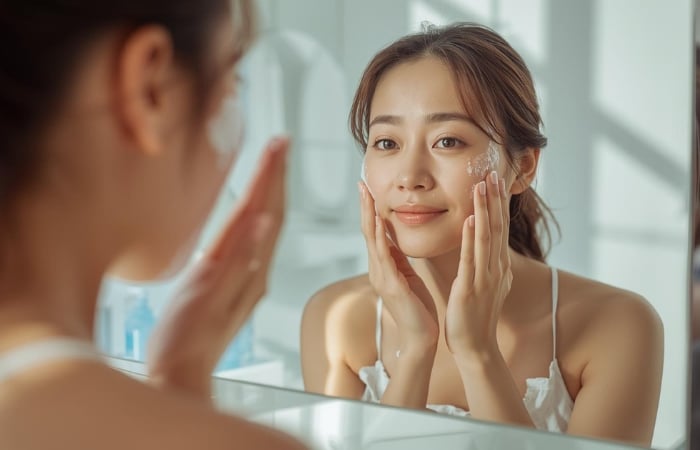
Fragrance doesn’t directly cause acne, but it can increase irritation and sensitivity — especially in humid environments where sweat can increase reactivity.
For many acne-prone users, fragrance-free or low-fragrance cleansers are easier to tolerate consistently.
How often should you cleanse in humidity?
More cleansing is not always better. For most people in Singapore:
- Morning: one gentle cleanse to remove overnight oil and sweat
- Night: one thorough cleanse to remove sunscreen, sweat and daily buildup
After heavy sweating (gym/outdoors), a gentle rinse or cleanse can help — avoid harsh scrubbing.
Patch testing (especially if you’re acne-prone or reactive)
Even “good” cleansers can cause issues if you react to a specific ingredient.
If your skin is easily irritated, patch test a new cleanser on a small area for a few days before using it all over.
When a cleanser isn’t the whole solution
A suitable cleanser supports acne-prone skin, but it won’t address every acne driver.
If you have persistent breakouts despite a consistent routine, painful or cystic pimples, or acne that keeps leaving marks, a structured assessment can help guide next steps.
Learn more here: doctor-led acne management plan.
FAQs: Best cleanser for acne-prone skin in Singapore
Is a gel cleanser always best for oily, acne-prone skin?
Not always. Gel cleansers feel light in humidity, but some formulas are too stripping. The best option removes oil comfortably without tightness or irritation.
Can cream cleansers clog pores in Singapore’s humidity?
Heavy, occlusive cream cleansers can feel uncomfortable in humid weather. However, lighter cream cleansers can suit acne-prone skin that is sensitive or over-cleansed.
What is a syndet cleanser and why do people recommend it?
Syndet cleansers are made with gentle synthetic surfactants and are often more pH-friendly. Many acne-prone users tolerate them better long-term compared to harsh foaming cleansers.
Does foam mean a cleanser works better for acne?
No. Foam doesn’t indicate effectiveness. Highly foaming cleansers can strip the barrier and trigger rebound oiliness.
What pH should a cleanser be for acne-prone skin?
Many people do better with cleansers closer to the skin’s natural pH. Very alkaline cleansers can disrupt barrier function and worsen irritation.
Should acne-prone skin avoid fragrance?
Fragrance doesn’t directly cause acne, but it can increase irritation. Fragrance-free or low-fragrance options are often easier to use consistently.
How often should I cleanse my face in Singapore’s humidity?
Twice daily is enough for most people. You can cleanse after heavy sweating, but avoid harsh scrubbing or repeated stripping washes.
Is it okay to use different cleansers in the morning and at night?
Yes. Some people prefer a lighter morning cleanse and a more thorough night cleanse to remove sunscreen and daily buildup.
Can the wrong cleanser make my skin oilier?
Yes. Over-stripping can lead to rebound oil production, which can worsen congestion.
Should teens use the same cleanser as adults?
Teens often do best with simpler, gentler cleansers. Overly strong formulas may irritate and worsen breakouts.
Is micellar water enough in humid weather?
It may be enough for light cleansing. In Singapore’s humidity, a rinse-off cleanser is often more effective at night, especially after sunscreen and sweat.
When is a cleanser not enough to manage acne?
If acne persists despite a suitable cleanser and consistent routine, deeper drivers may be involved. A doctor-led assessment can help guide next steps (see: /acne-treatment/).
Last reviewed by Dr. Vijay Sampath, M.B.B.S, M.S (Gen Surg), DNB (Gen Surg), MRCS (Edinburgh) — January 2026