Aesthetic Clinic Orchard
Bio Aesthetic Laser Clinic — Orchard
Palais Renaissance, 390 Orchard Road #03‑01,
Singapore
238871
Tel: 6333 4566 | WhatsApp Us
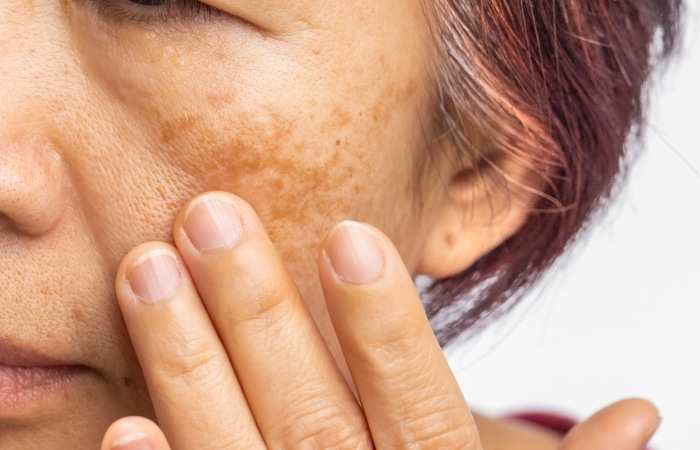
Hydroquinone cream is a doctor-prescribed depigmenting medication used to lighten melasma, post-inflammatory hyperpigmentation (PIH), sun spots, freckles and uneven pigmentation. Because it alters melanin production, it is tightly regulated in Singapore and should only be used under medical supervision.
Hydroquinone is one of the most studied topical agents for pigmentation. It reduces the activity of melanocytes (pigment-producing cells) and inhibits the tyrosinase enzyme, which is central to melanin production. Over time, this helps to lighten dark patches and even out skin tone, especially when combined with sun protection and a structured treatment plan.
Because of its potency and potential side effects when misused, hydroquinone is not allowed in over-the-counter cosmetic products in Singapore. It can only be used under medical supervision as a prescription product.
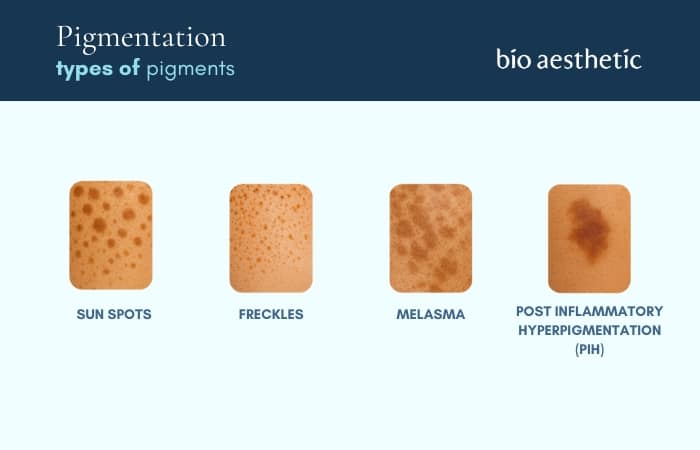
Doctors may prescribe hydroquinone cream for pigmentation problems that primarily sit in the surface (epidermal) layers of the skin:
For deeper pigmentation or mixed-type melasma, topical hydroquinone is often combined with pigmentation removal treatments such as lasers and light-based devices for better results.
Hydroquinone helps to fade pigmentation by targeting melanin production at its source:
Results are usually gradual and may become noticeable within 4 to 8 weeks, depending on how deep and long-standing the pigmentation is.
Because hydroquinone is potent, correct use is important. Typical doctor-guided instructions may include:
Your doctor may adjust the frequency to alternate nights initially, especially for sensitive skin, or combine the cream with other medical-grade skincare, chemical peels or pigmentation-targeted machines to achieve more even results.
Hydroquinone can be effective when used properly, but there are important safety points to understand.
A rare condition where the skin paradoxically becomes bluish-brown due to long-term, unsupervised hydroquinone use. This is very difficult to reverse and is a key reason why hydroquinone should be used in short, structured cycles.
Hydroquinone is not the only topical option for pigmentation. Other agents like azelaic acid, vitamin C and retinoids can also support pigment control, often with a different safety profile.
| Feature | Hydroquinone Cream | Azelaic Acid | Retinoids (e.g. Tretinoin) |
|---|---|---|---|
| Main action | Strong melanin suppression and pigment lightening | Anti-inflammatory; moderates pigment and helps acne | Increases cell turnover; improves texture and mild pigment |
| Best suited for | Melasma, stubborn PIH, sunspots | PIH in acne-prone or sensitive skin | Mild pigmentation with photo-ageing or fine lines |
| Onset of effect | 4–8 weeks | 6–12 weeks | 8–12 weeks |
| Pregnancy-safe? | Generally avoided | Often used with caution (doctor-guided) | Generally avoided |
| Doctor supervision | Required (prescription-only) | Recommended for higher strengths | Required |
Topical hydroquinone cream and pigmentation machines (such as Pico or Q-Switch lasers and IPL) can complement each other. Creams tend to be better at controlling underlying melanin production, while machines physically break up pigment particles.
| Feature | Hydroquinone Cream | Pico / Q-Switch Laser | IPL / Light-Based Treatments |
|---|---|---|---|
| Primary target | Melanin production in pigment cells | Pigment particles within the skin | Superficial sunspots, redness and uneven tone |
| Typical speed of results | Gradual (4–12 weeks) | Often faster; improvement in 1–3 sessions | Moderate; requires a series of sessions |
| Best for | Diffuse melasma and PIH as part of a protocol | Freckles, lentigines, selected PIH | Photo-ageing, sun damage, telangiectasia |
| Limitations | Cannot fully clear deep dermal pigment | Not ideal for very unstable melasma | Less suitable for darker skin types |
To understand how prescription creams and energy-based devices can work together, see our page on pigmentation removal in Singapore.
Hydroquinone is not a universal solution. Suitability depends on the type of pigmentation, skin type and medical history.
Under current regulations, hydroquinone cream can only be obtained via:
Indicative price: about S$15–S$45 per tube or bottle, depending on formulation and strength (excluding consultation and procedure fees).
Unlabelled “whitening creams” bought online or from unregulated sources may contain undisclosed hydroquinone, steroids or other potent ingredients that can harm the skin.
Most patients start to notice gradual lightening within 4 to 8 weeks, depending on how deep and long-standing the pigmentation is. Deeper melasma or chronic sun damage may require additional treatments.
Some patients are prescribed nightly use, while others may start with alternate nights if their skin is sensitive. Follow your doctor’s plan and adjust only under supervision.
No. Hydroquinone is designed for short cycles. Long-term continuous use increases the risk of irritation, rebound pigmentation and rare complications such as ochronosis.
Hydroquinone can be used in darker skin under careful supervision. Monitoring helps avoid uneven lightening or paradoxical darkening, especially if irritation occurs.
No. It should only be applied to specific dark patches. Using hydroquinone across the whole face increases the risk of patchy or unnatural lightening.
It can be combined in some medical protocols, but this must be doctor-guided. Over-layering strong actives can worsen pigmentation by irritating the skin.
This usually happens when the skin is irritated or when sunscreen is not used consistently. If darkening occurs, stop the cream and seek medical review.
Yes. Sunscreen is essential. Without it, UV exposure can undo progress or worsen pigmentation despite using hydroquinone.
Pigmentation can return gradually if underlying triggers (sun, hormones, inflammation) remain uncontrolled. Many patients transition to milder brightening products or in-clinic maintenance treatments.
Vitamin C, azelaic acid, niacinamide, gentle chemical peels and laser-based pigmentation treatments, alongside good daily sunscreen habits.
Disclaimer: This article is for educational purposes only and does not replace medical advice. Always consult a licensed doctor before starting or stopping prescription medication.
Visit our Aesthetic Clinic Orchard or Aesthetic Clinic Tampines for personalised acne scar treatment and comprehensive aesthetic care.
Tel: 6333 4566 | WhatsApp Us
Tel: 6782 2777 | WhatsApp Us
Call Us at +65 6333 4566 • hello@bioaesthetic.com.sg

Bio Aesthetic Laser Clinic is a bespoke aesthetic clinic in Singapore specialising in treatments such as:
MORE QUESTIONS?
Feel free to Call Us or WhatsApp Us. We are more than happy to address your concerns