
Acne Scar Treatment
in Singapore
Doctor-led treatment planning for rolling, boxcar and ice pick scars.
- ✓Scar type assessment before treatment
- ✓Laser and combination options available
- ✓Orchard and Tampines clinics
A consultation is required to assess suitability. Individual response, downtime and session count vary.
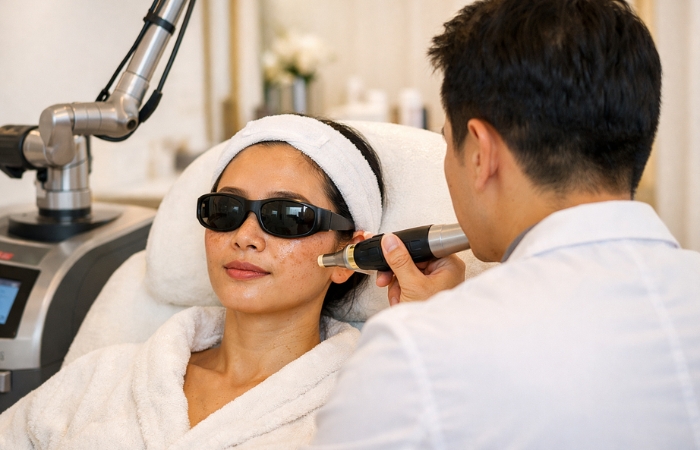
Doctor-Led Assessment
Suitability, scar pattern and downtime are reviewed before treatment planning.
Scar-Type Planning
Rolling, boxcar and ice pick scars often need different treatment approaches.
Multiple Options
Laser and combination treatment plans may be discussed based on your skin condition.
2 Clinic Locations
Visit Bio Aesthetic Laser Clinic at Orchard or Tampines.
Not all acne scars are treated the same way
Some scars are broad and shallow. Others are narrow and deeper. Many patients also have mixed scar patterns, which is why treatment often starts with identifying the scar type properly before deciding on the most suitable treatment plan.
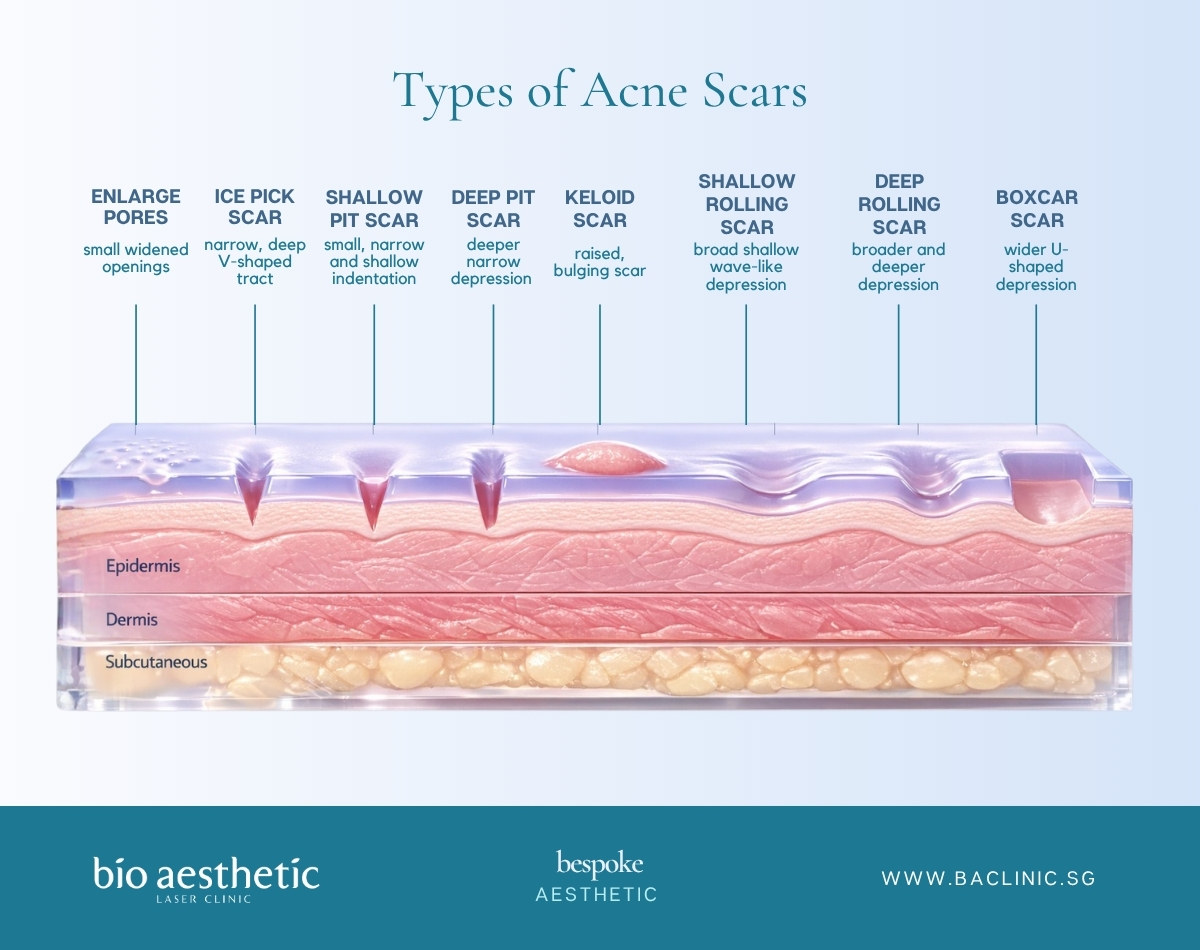
Different acne scars may need different treatment approaches
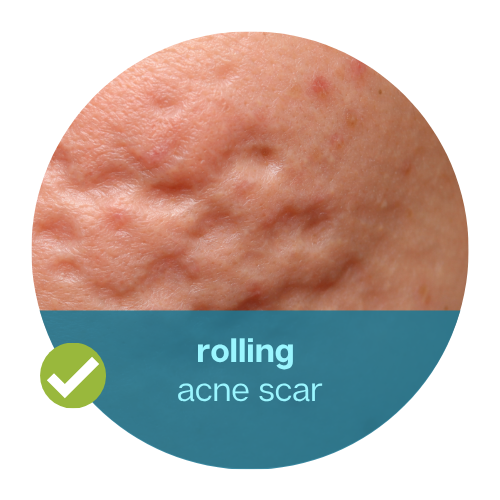
Rolling Scars
Broad, shallow depressions with sloping edges. These are often linked to tethering beneath the skin.
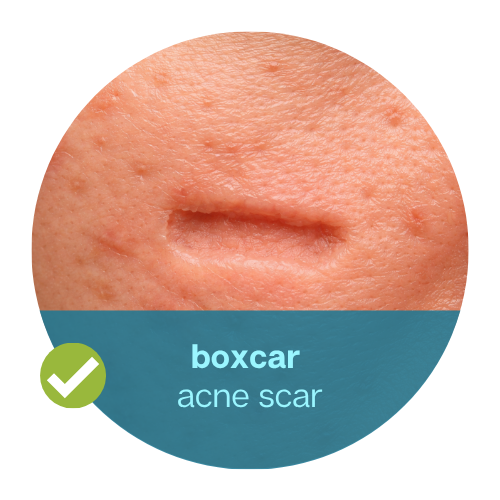
Boxcar Scars
Wider depressions with more defined edges. They may be shallow or deeper depending on severity.
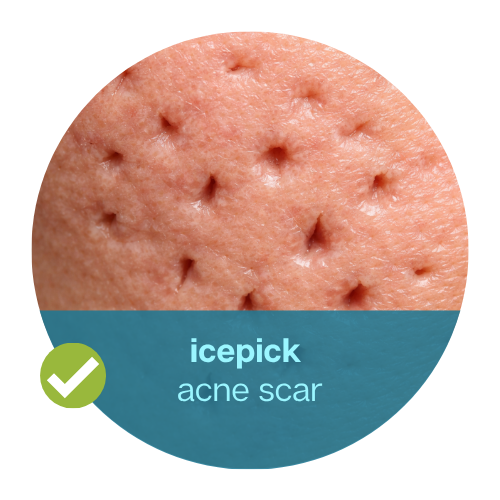
Ice Pick Scars
Narrow, deeper-looking scars that usually need a more targeted treatment strategy.
Why some acne scars do not improve with facials or skincare alone
Acne scars often form beneath the skin surface. That is why surface-level treatments may not be enough once true textural scarring has developed.
When there is tethering, deeper depressions, or mixed scar patterns, treatment planning usually needs to go beyond one simple approach.
Not sure which acne scar treatment suits your scar type?
Speak with our team to understand suitable options, expected downtime and how your treatment plan may be staged.
Acne scar treatment options
Scroll to explore some of the treatment options commonly discussed for different acne scar patterns.
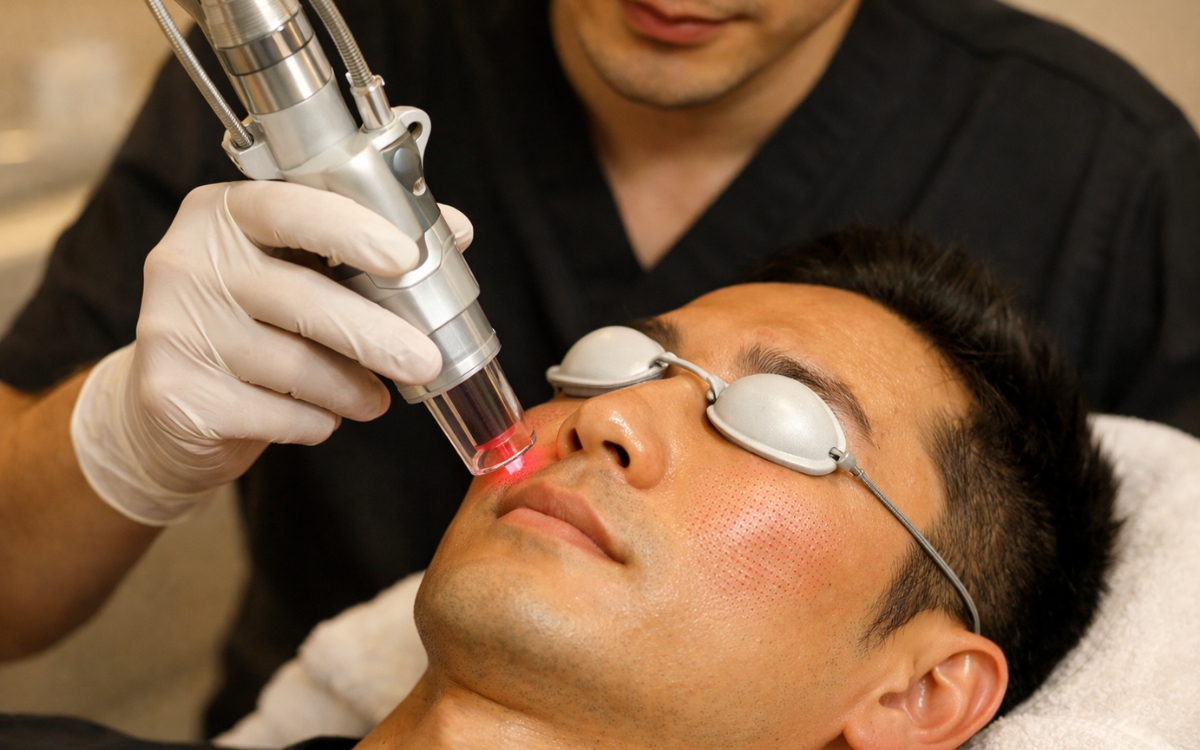
Fractional CO2 Laser
Often discussed for acne scar texture, selected boxcar scars, selected rolling scars, and overall resurfacing support.
Ask Us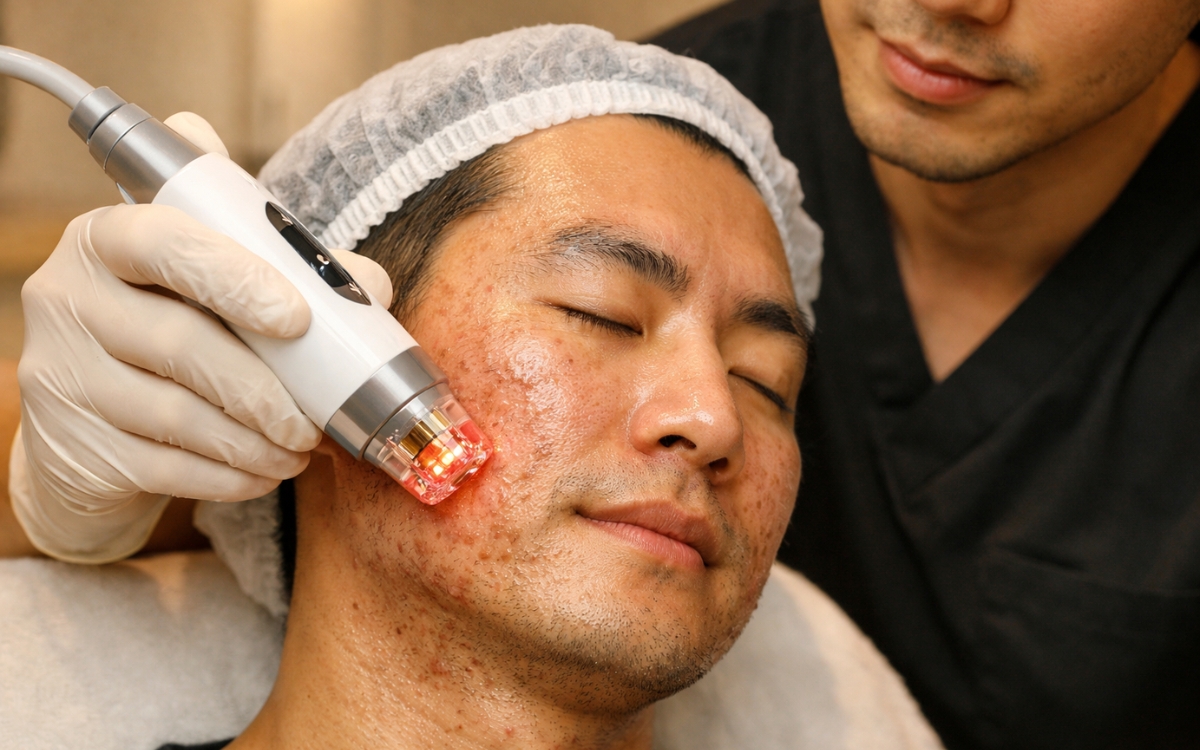
RF Microneedling
Often discussed for acne scars, enlarged pores, and skin texture concerns with a collagen-remodelling focus.
Ask Us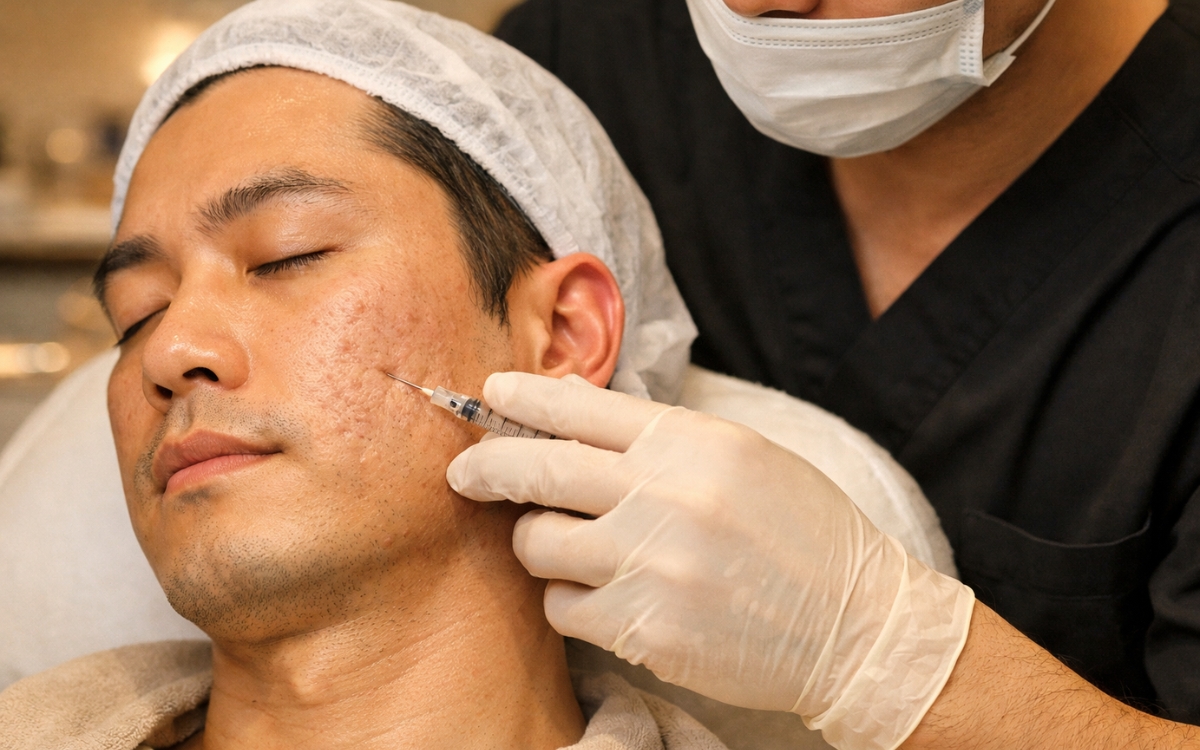
Subcision
Often discussed when tethered rolling scars are one of the main concerns and scar release is part of the treatment plan.
Ask Us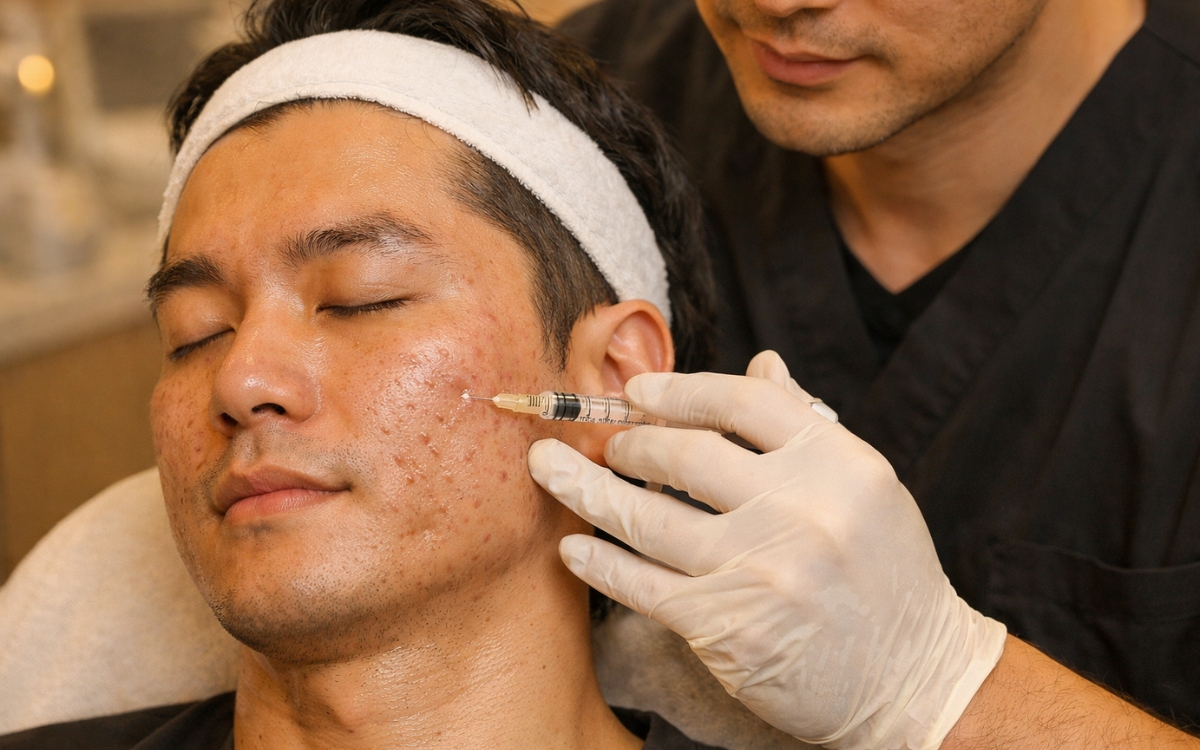
Polynucleotide Scar
May be discussed as part of a broader acne scar treatment plan where healing quality and skin support are also goals.
Ask Us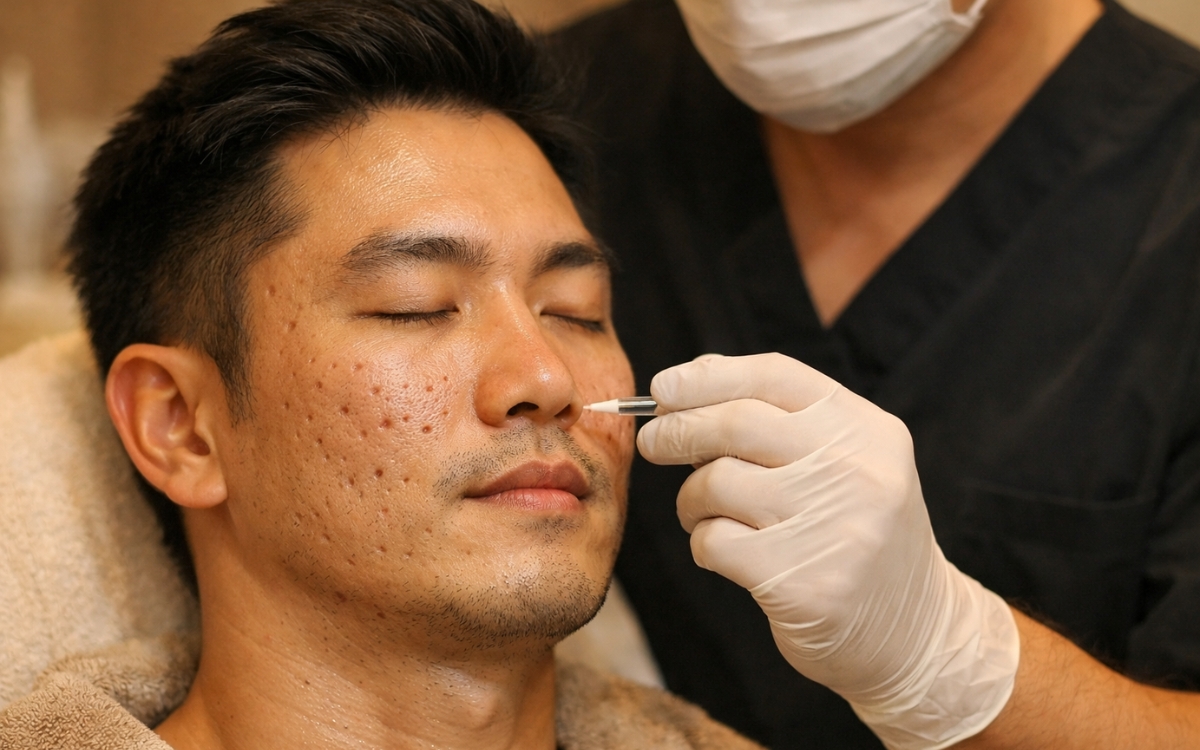
TCA Cross
Ice pick scars are narrow, deeper-looking scars that usually need a more targeted treatment like TCA Cross.
Ask Us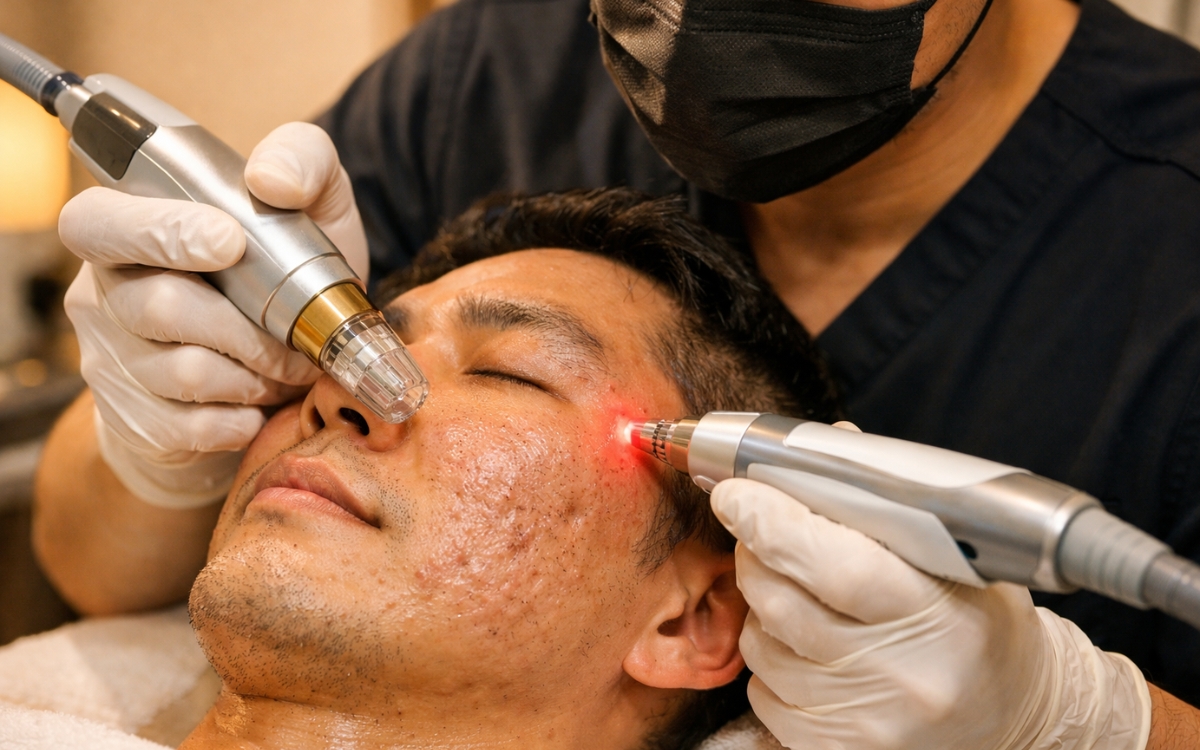
Combination Treatment Plans
Often discussed when different scar types need different treatment methods over a staged treatment plan.
Ask Us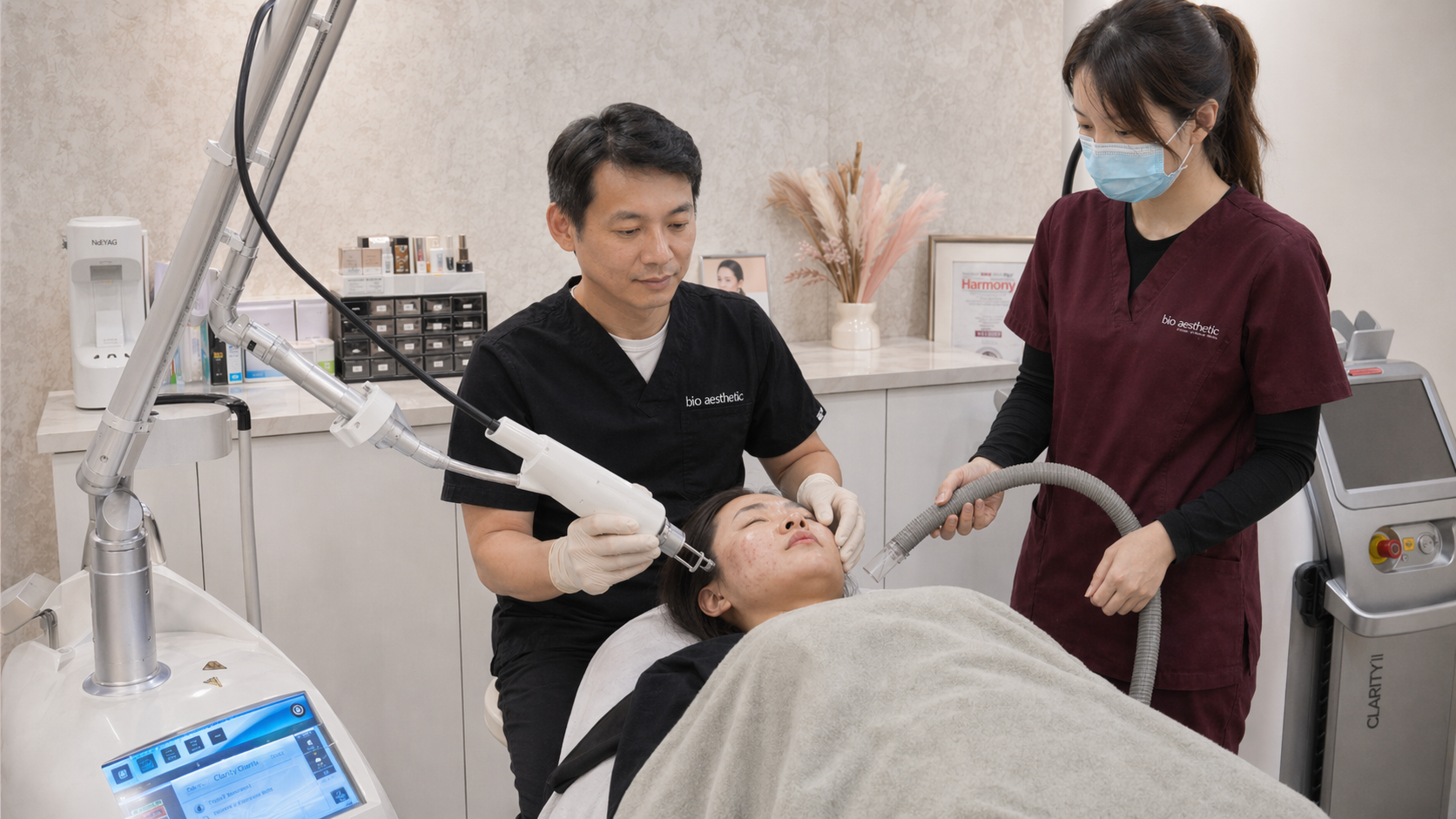
Acne scar treatment planning at Bio Aesthetic
Acne scars vary by scar type, depth, tethering and downtime preference. Our team assesses these factors before discussing the most suitable treatment pathway.
Scar-Type Assessment
Rolling, boxcar and ice pick scars are reviewed properly before planning treatment.
Multiple Modalities
Laser and combination treatment plans may be discussed for mixed scar patterns.
Doctor-Led Review
Suitability, skin condition and downtime expectations are explained clearly.
Structured Planning
Treatment can be staged based on severity, response and your recovery preferences.
Meet our acne scar specialist doctors
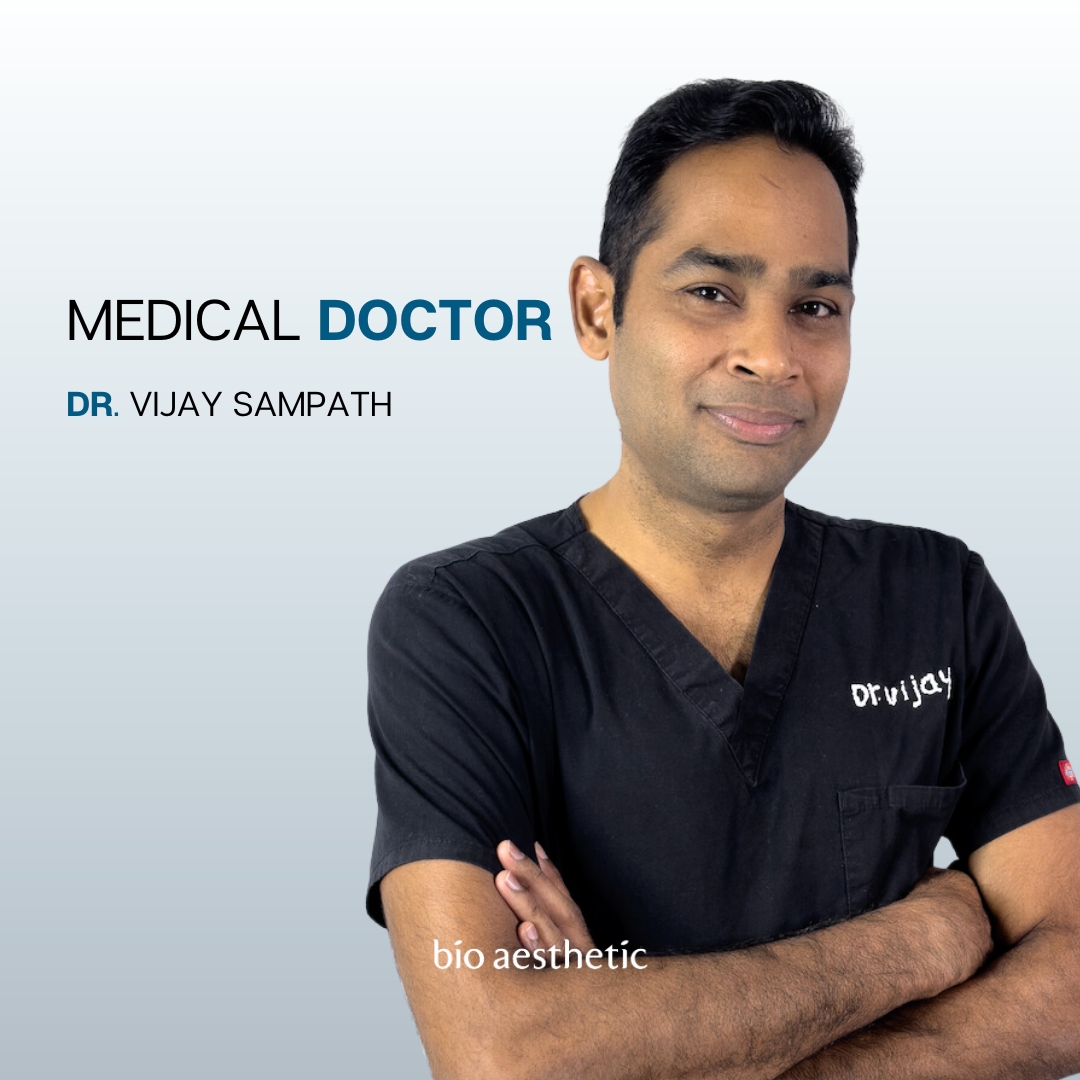
Dr Vijay Sampath
M.B.B.S, M.S (Gen Surg), DNB (Gen Surg), MRCS (Edinburgh), Royal College of Surgeons – Edinburgh (MRCSEd)

Dr Jolenda Ang
MBBChir (Cambridge University, United Kingdom), MRCS (England), FRCOphthal Part A and 2A (England), US Board Certified Aesthetic Physician (American Academy of Aesthetic Medicine)

Dr Daniel Khaw
M.B.B.S (Australia), MRC PSYCH (U.K.), Bachelor of Biomedical Science, Certificate in Aesthetic Medicine (American Academy of Aesthetic Medicine)

Dr Justin Goh
MB, BCh, BAO (National University of Ireland), ADEG Certified Aesthetic Physician (Singapore)
Treat your acne scar today.
Get a doctor-led review of your acne scar type, suitable treatment options and expected downtime.
Visit our Orchard or Tampines clinic

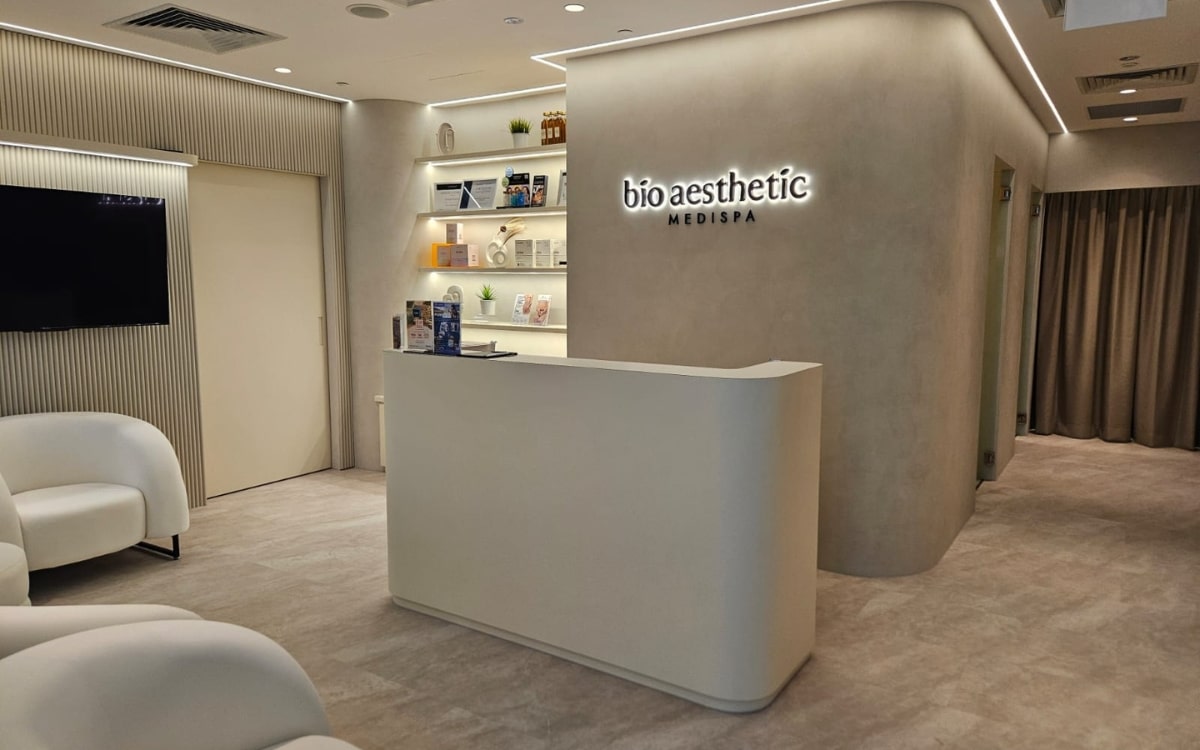
Tampines Clinic
300 Tampines Avenue 5, #04-05
Income @ Tampines Junction, Singapore 529653
Frequently asked questions
Is laser the best treatment for acne scars?
Laser can be useful for many acne scars, but it is not always the only or best option. Rolling, boxcar and ice pick scars may need different approaches, and mixed scars often need a more personalised treatment plan.
How many sessions are usually needed?
This depends on the scar pattern, severity, treatment choice and how the skin responds. Mixed acne scars often need treatment over multiple sessions.
Is there downtime after acne scar treatment?
Downtime depends on the treatment used. Some options involve limited downtime, while others may involve redness, swelling, dryness, bruising or peeling for several days.
Can one treatment address all scar types?
Not always. Many patients have mixed scar types, so one treatment alone may not address every scar pattern equally well.
Can I still do acne scar treatment if I have active acne?
That depends on the pattern and severity of active acne. In some patients, it may be better to first stabilise acne before starting a more intensive acne scar treatment plan.